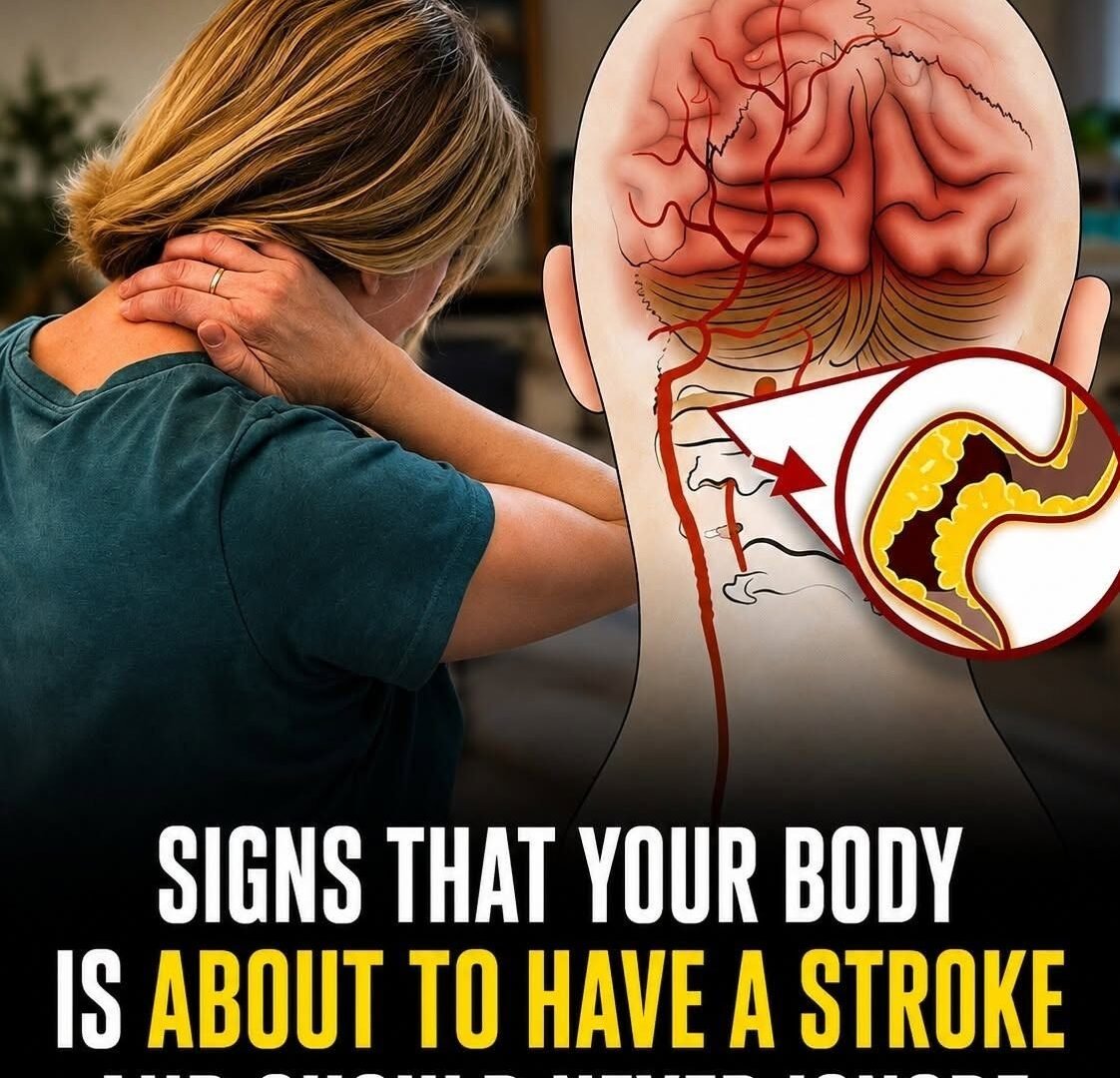
8 Warning Signs of Stroke That May Appear Before a Major Event — and 9 Ways to Lower Your Risk
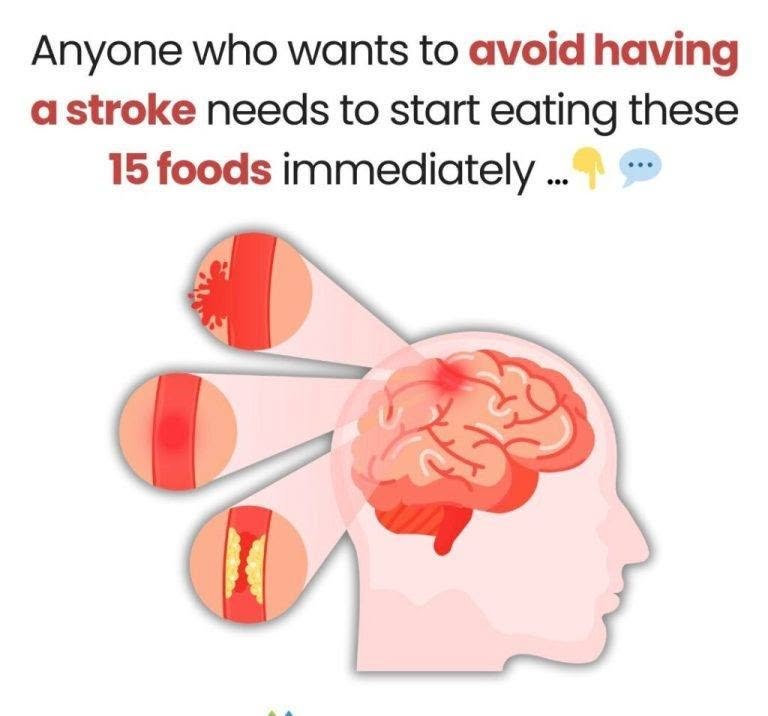
Every year, approximately 800,000 people in the United States experience a stroke, and stroke remains the fourth-leading cause of death and a leading cause of serious, long-term disability. The most devastating aspect of stroke is its speed: on average, nearly 2 million brain cells die every minute a stroke goes untreated.
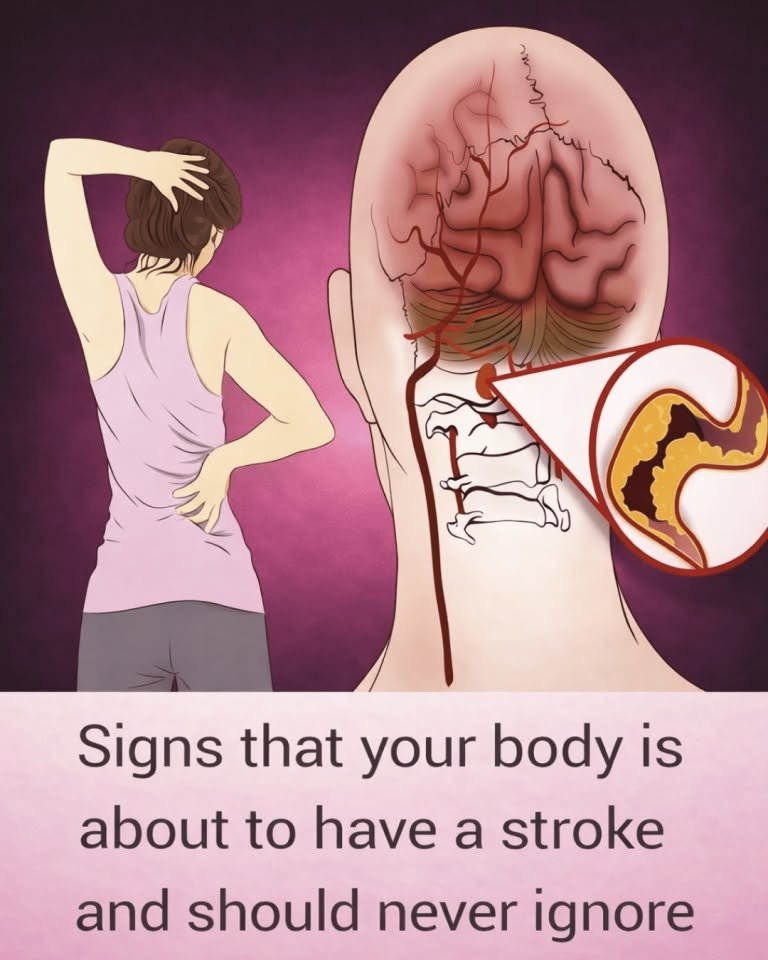
The good news is that approximately 80% of strokes are preventable, and recognizing the warning signs early can mean the difference between a full recovery and permanent disability. While the viral claim that specific warning signs appear exactly “one month” before a stroke is an oversimplification, research confirms that transient ischemic attacks (TIAs)—often called “mini-strokes”—can occur days or even weeks before a major event. Here are the 8 critical warning signs you should never ignore, followed by 9 evidence-based strategies to protect yourself.
The 8 Warning Signs of a Stroke
The American Stroke Association recommends using the B.E.F.A.S.T. acronym to recognize the most common stroke symptoms. But there are other critical signs that are frequently overlooked. Here are the 8 warning signs everyone should know.
1. Balance Loss
Sudden trouble with balance or coordination is a major red flag. This can manifest as dizziness, vertigo, stumbling, falling, or a sudden feeling of being “drunk” when you haven’t consumed alcohol. If you suddenly can’t walk in a straight line or feel like the room is spinning, seek emergency care immediately.
2. Eye (Vision) Changes
Stroke can disrupt the nerves that control your eyes. Watch for sudden vision loss in one or both eyes, blurred or double vision, or a new “dark curtain” or missing area in your visual field. Any sudden change in vision warrants immediate medical attention.
3. Face Drooping
One of the most recognizable signs, face drooping occurs when one side of the face becomes numb or weak. Ask the person to smile—if the smile is uneven or one side droops, it’s a classic stroke sign.
4. Arm Weakness
Is one arm weak or numb? Does it drift downward when raised? Sudden weakness or numbness in one arm, leg, or side of the body is a hallmark of stroke. This can also feel like a heavy blanket has been draped over one limb.
5. Speech Difficulty
Slurred speech or trouble speaking is a major warning sign. The person may try to speak but the words come out garbled, or they may struggle to understand what others are saying. Ask them to repeat a simple sentence—if they can’t, call 911.
6. Sudden Severe Headache
A sudden, severe headache—often described as a “thunderclap” or “bolt out of the blue”—with no known cause can signal a hemorrhagic stroke (bleeding in the brain). This type of headache comes on instantly and may be accompanied by vomiting, dizziness, or confusion.
7. Confusion and Trouble Understanding
Beyond speech difficulty, a stroke can cause sudden confusion and disorientation. The person may be unable to follow a conversation or make sense of what others are saying, even if they were perfectly lucid moments before.
8. Sudden Numbness or Weakness on One Side
This is the most common and recognizable sign. You might suddenly feel weakness in your face, arm, or leg—particularly on one side of the body. It can feel like a limb has simply “fallen asleep” and won’t wake up.
What to Do If You Spot These Signs
If you or someone you know experiences any of these symptoms, do not wait to see if they go away. Call 911 or your local emergency number immediately. Do not drive yourself to the hospital—emergency responders can begin lifesaving treatment on the way and alert the hospital stroke team before you arrive.
Note the time when the first symptoms appeared. This information is critical because clot-busting drugs (like tPA) are most effective when given within 3 to 4.5 hours of the first symptom.
9 Ways to Lower Your Stroke Risk
According to the American Heart Association and the American Stroke Association, approximately 80% of strokes are preventable. The 2024 AHA/ASA Guideline for the Primary Prevention of Stroke emphasizes lifestyle changes, early screenings, and managing modifiable risk factors. Here are 9 evidence-based strategies to protect yourself.
1. Manage Your Blood Pressure
High blood pressure is the leading risk factor for stroke. The 2024 guidelines emphasize that most patients with hypertension will require at least two antihypertensive medications to achieve target blood pressure levels, ideally below 130/80 mm Hg. Get your blood pressure checked regularly—the NHS recommends all adults aged 40 or over have their blood pressure tested at least every five years.
2. Control Your Cholesterol
High LDL (bad) cholesterol contributes to plaque buildup in the arteries, increasing stroke risk. Eating foods low in saturated fats, trans fat, and cholesterol and high in fiber can help prevent high cholesterol.
3. Manage Blood Sugar and Diabetes
Diabetes increases stroke risk because it can damage blood vessels in the brain. The 2024 guidelines recommend screening for elevated blood sugar as part of routine risk assessment.
4. Eat a Heart-Healthy Diet
Choose healthy meal and snack options to help prevent stroke. Be sure to eat plenty of fresh fruits and vegetables. Limiting salt (sodium) in your diet can also lower your blood pressure. The 2024 guidelines specifically recommend a Mediterranean diet, which is rich in fruits, vegetables, whole grains, and healthy fats.
5. Get Regular Physical Activity
Physical activity can help you stay at a healthy weight and lower your cholesterol and blood pressure levels. The CDC recommends at least 2 hours and 30 minutes of moderate-intensity aerobic activity, such as a brisk walk, each week. The 2024 guidelines also recommend screening patients for sedentary behavior, which is a confirmed risk factor for stroke.
6. Maintain a Healthy Weight
Having overweight or obesity increases your risk for stroke. The CDC notes that obesity is a leading preventable risk factor for stroke, and managing your weight through diet and exercise is essential for stroke prevention.
7. Quit Smoking
Cigarette smoking greatly increases your chances of having a stroke. Smoking damages blood vessels, which can cause a stroke. If you don’t smoke, don’t start. If you do smoke, quitting will lower your risk for stroke.
8. Limit Alcohol Consumption
Avoid drinking too much alcohol, which can raise your blood pressure. The CDC recommends men should have no more than two drinks per day, and women should have no more than one drink per day.
9. Manage Chronic Health Conditions
If you have heart disease, high cholesterol, high blood pressure, or diabetes, you can take steps to lower your risk for stroke. The 2024 guidelines also highlight the importance of managing atrial fibrillation (AFib), a heart rhythm disorder that significantly increases stroke risk. The NHS has been focusing on better detection of people with undiagnosed AF through increased pulse checks.
When to Seek Immediate Medical Care
Most stroke warning signs are not subtle—they are sudden and dramatic. You should call 911 or seek immediate medical attention if you experience any of the following:
Sudden weakness or paralysis, especially on one side of the body
Confusion or trouble speaking
Sudden, severe headache
Dizziness or loss of balance
Numbness that spreads to your face or leg
Do not wait to see if symptoms go away. Even if they resolve within minutes—as happens with a TIA—you should still seek emergency care. A TIA is a major warning sign that a full-blown stroke could happen soon.
The Bottom Line
Stroke is a medical emergency, but it is also highly preventable. By knowing the 8 warning signs and taking the 9 steps outlined above, you can dramatically reduce your risk and protect your brain health. Remember: Time is brain. Every minute counts. Knowing the signs and acting quickly could save your life or the life of someone you love.
Disclaimer: This article is for informational purposes only and is not a substitute for professional medical advice, diagnosis, or treatment. Always seek the advice of your physician or another qualified health provider with any questions you may have regarding a medical condition. If you suspect a medical emergency, call your local emergency services immediately.
To provide the best experiences, we use technologies like cookies to store and/or access device information. Consenting to these technologies will allow us to process data such as browsing behavior or unique IDs on this site. Not consenting or withdrawing consent, may adversely affect certain features and functions.
Functional
Always active
The technical storage or access is strictly necessary for the legitimate purpose of enabling the use of a specific service explicitly requested by the subscriber or user, or for the sole purpose of carrying out the transmission of a communication over an electronic communications network.
Preferences
The technical storage or access is necessary for the legitimate purpose of storing preferences that are not requested by the subscriber or user.
Statistics
The technical storage or access that is used exclusively for statistical purposes.The technical storage or access that is used exclusively for anonymous statistical purposes. Without a subpoena, voluntary compliance on the part of your Internet Service Provider, or additional records from a third party, information stored or retrieved for this purpose alone cannot usually be used to identify you.
Marketing
The technical storage or access is required to create user profiles to send advertising, or to track the user on a website or across several websites for similar marketing purposes.