The 15 Foods That Can Dramatically Lower Your Stroke Risk
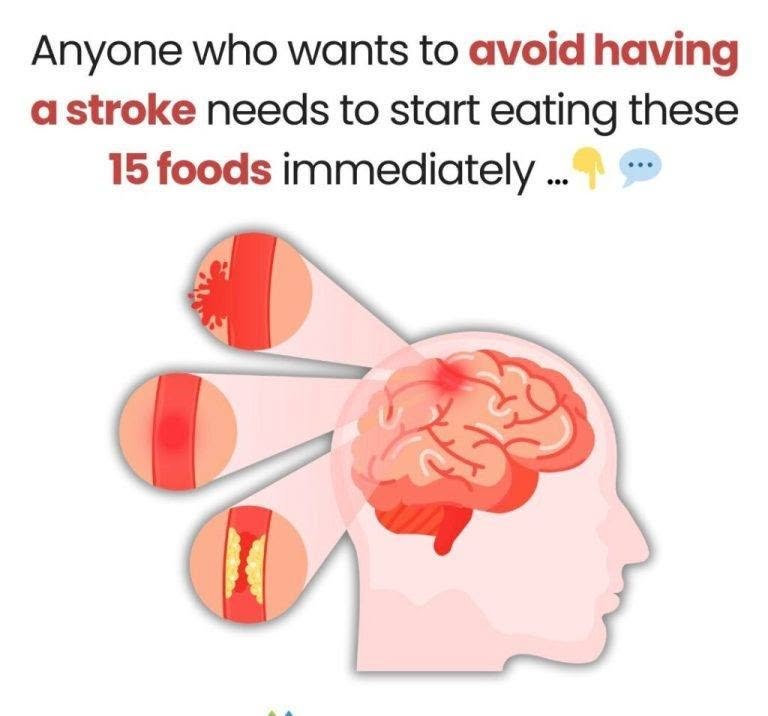
Stroke is a leading cause of death and long-term disability, yet the vast majority of cases are preventable. According to medical experts, up to 80% of strokes can be prevented through healthy lifestyle changes, with diet playing a starring role. The INTERSTROKE study, a major international research effort, linked five key risk factors—including diet—to 82% of ischemic strokes and 90% of hemorrhagic strokes.
The good news? You don’t need a complete dietary overhaul. “Making small, gradual changes to the foods you eat, rather than completely changing your diet overnight, can be a helpful way to make long-lasting changes,” says Sasha Bayat, RD, LDN, a dietitian at Mass General Brigham. Here are 15 foods that can help protect your brain and blood vessels.
1. Leafy Green Vegetables
Spinach, kale, and collard greens are among the most powerful stroke-fighting foods you can eat. They are rich in dietary nitrates, which your body converts into nitric oxide—a molecule that regulates blood flow and blood pressure. Dark leafy greens like spinach and kale are especially beneficial for cardiovascular health. Research suggests that consuming at least 60 milligrams of dietary nitrates daily from leafy greens can significantly reduce stroke risk.
2. Fatty Fish
Salmon, mackerel, sardines, and other oily fish are excellent sources of omega-3 fatty acids, healthy fats that protect the heart and brain. Studies show that omega-3 polyunsaturated fatty acids can significantly reduce the risk of cerebral artery stenosis, a condition that can lead to stroke. Experts recommend eating fatty fish two to three times per week.
3. Berries
Strawberries, blueberries, and other berries are packed with flavonoids—chemical compounds that help prevent plaque buildup in the arteries. They also contain antioxidants that protect blood vessels from free radical damage. Berries are a delicious, low-calorie way to support cardiovascular health.
4. Citrus Fruits
Oranges, tangerines, and grapefruits are rich in vitamin C and flavonoids, which help protect blood vessels and prevent atherosclerosis. Citrus fruits are also a good source of potassium, a mineral that plays a crucial role in blood pressure regulation.
5. Nuts
Nuts are nutrient-dense powerhouses containing many bioactive compounds beneficial for cardiovascular health. A study of over 3 million participants found that those who consumed nuts at least five times per week were 19% less likely to experience a stroke compared to those who rarely ate them. The Mediterranean diet, enriched with a daily serving of mixed nuts (walnuts, almonds, and hazelnuts), was associated with a nearly 50% reduction in stroke incidence. Bayat recommends one ounce of nuts per day.
6. Whole Grains
Oatmeal, brown rice, barley, and whole-grain bread are excellent sources of fiber, vitamins, and minerals. Research indicates that high whole-grain intake has protective effects against hypertension and stroke. Whole grains also help regulate blood sugar and reduce cholesterol levels. “Oatmeal is a good option,” says Bayat. “It is high in fiber and contains beta-glucan, which has been researched for its heart-health benefits”.
7. Beans and Legumes
Beans, lentils, and other legumes are staples of the Mediterranean diet, which is linked to reduced stroke risk. They are rich in fiber, potassium, and plant-based protein, making them an excellent alternative to processed meats. Legumes help stabilize blood sugar and support healthy blood pressure levels.
8. Avocado
Avocado is a unique fruit rich in healthy monounsaturated fats and potassium. The Mediterranean diet emphasizes healthy fats including avocado, and studies show that even small amounts can support lower cardiac risk. Potassium helps counterbalance sodium’s effects on blood pressure, a major stroke risk factor.
9. Extra-Virgin Olive Oil
Extra-virgin olive oil is a cornerstone of the Mediterranean diet and a superior choice compared to butter or saturated fats. It contains monounsaturated fats and antioxidants that reduce inflammation and support vascular health. Swapping butter for olive oil is one of the simplest dietary changes you can make to protect your heart and brain.
10. Potassium-Rich Foods
Foods high in potassium—such as bananas, kiwi, mango, cantaloupe, and sweet potatoes—are essential for blood pressure regulation. A landmark study published in the journal Circulation found that diets rich in potassium, magnesium, and cereal fiber reduce the risk of stroke, particularly among men with hypertension.
11. Tomatoes
Tomatoes are rich in lycopene, a powerful antioxidant that helps protect blood vessels and reduce inflammation. They are also a good source of potassium and vitamin C. Cooking tomatoes with olive oil enhances lycopene absorption, making dishes like tomato sauce with olive oil particularly beneficial.
12. Dark Chocolate
High-quality dark chocolate (70% cacao or higher) contains flavonoids that can improve blood flow and reduce blood pressure. The key is moderation—a small square of dark chocolate can satisfy a sweet craving while providing cardiovascular benefits.
13. Poultry
Skinless chicken and turkey are lean sources of protein that can replace red and processed meats in your diet. The DASH and Mediterranean diets both emphasize lean proteins. Reducing saturated fat intake from processed meats is one of the most effective ways to lower cholesterol and stroke risk.
14. Low-Fat Dairy
Yogurt and low-fat milk provide calcium and protein without the saturated fat found in full-fat dairy products. Calcium, along with potassium and magnesium, is part of the mineral package that supports healthy blood pressure. Opt for plain yogurt without added sugars.
15. Herbs and Spices
Oregano, rosemary, thyme, basil, cinnamon, turmeric, and ginger can replace salt in your cooking while providing cardiovascular benefits. High sodium intake is a major contributor to hypertension, a leading stroke risk factor. “Most people should aim for less than 2,300 milligrams of sodium per day, ideally closer to 1,500 milligrams,” advises Katelyn Skeels, MSN, APRN, FNP-C, Nurse Manager of Stroke Care at Tufts Medical Center.
Foods to Limit
Just as important as what you eat is what you avoid. To lower your stroke risk, limit:
Processed meats — High in sodium and saturated fats
Sugary drinks — Cause blood sugar spikes that increase risk over time
White bread, pasta, and rice — Refined carbohydrates that lack protective fiber
Fried foods and packaged snacks — Sources of unhealthy trans fats
The Bigger Picture: The Mediterranean Diet
Rather than focusing on individual foods, consider adopting an overall eating pattern. The Mediterranean diet—based on traditional foods from Greece, Italy, and other countries bordering the Mediterranean Sea—is strongly linked to reduced stroke risk. It emphasizes fruits, vegetables, whole grains, beans, healthy fats, and herbs and spices, while limiting processed foods and red meat.
The Bottom Line
“Food is fuel,” says Skeels. “Even making small changes to your diet can have a big impact on your overall health and help reduce your risk of stroke”. You don’t have to eliminate all the foods you enjoy—moderation is key. Start by adding one or two stroke-fighting foods to your daily routine and build from there. Your brain will thank you.
Always consult with your healthcare provider or a registered dietitian before making significant dietary changes, especially if you have existing health conditions or are taking medications.
To provide the best experiences, we use technologies like cookies to store and/or access device information. Consenting to these technologies will allow us to process data such as browsing behavior or unique IDs on this site. Not consenting or withdrawing consent, may adversely affect certain features and functions.
Functional
Always active
The technical storage or access is strictly necessary for the legitimate purpose of enabling the use of a specific service explicitly requested by the subscriber or user, or for the sole purpose of carrying out the transmission of a communication over an electronic communications network.
Preferences
The technical storage or access is necessary for the legitimate purpose of storing preferences that are not requested by the subscriber or user.
Statistics
The technical storage or access that is used exclusively for statistical purposes.The technical storage or access that is used exclusively for anonymous statistical purposes. Without a subpoena, voluntary compliance on the part of your Internet Service Provider, or additional records from a third party, information stored or retrieved for this purpose alone cannot usually be used to identify you.
Marketing
The technical storage or access is required to create user profiles to send advertising, or to track the user on a website or across several websites for similar marketing purposes.