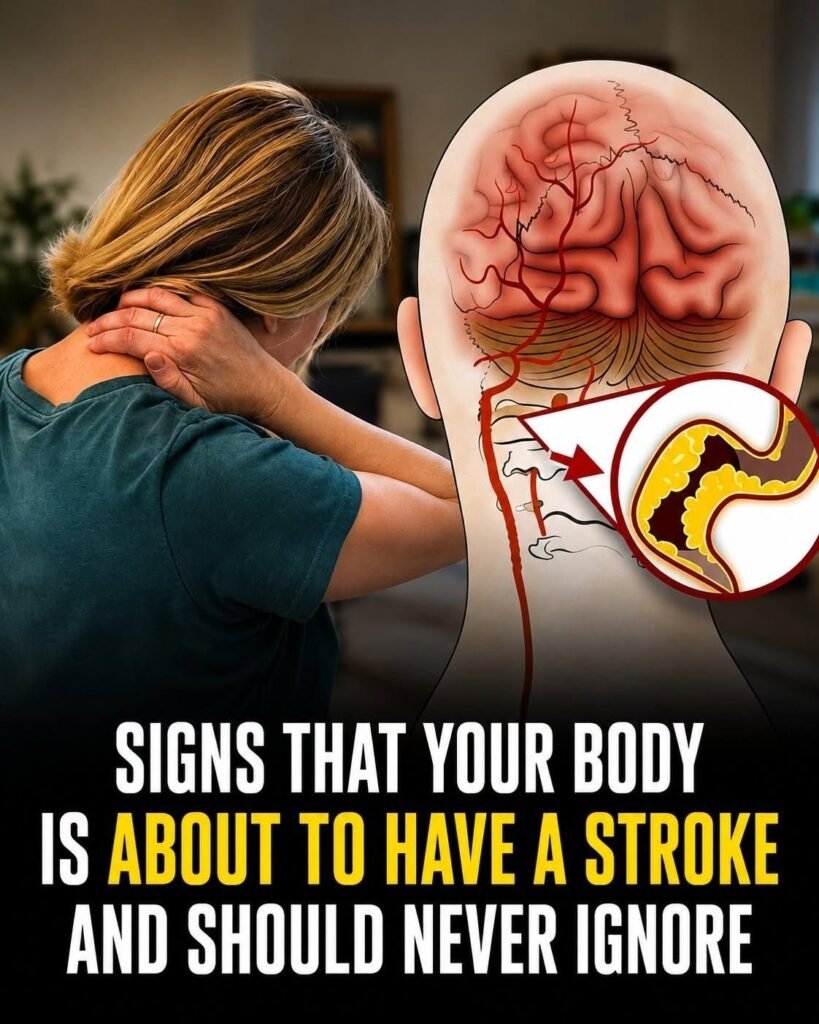
10 Subtle Symptoms That Could Signal a Stroke — Most People Ignore Them
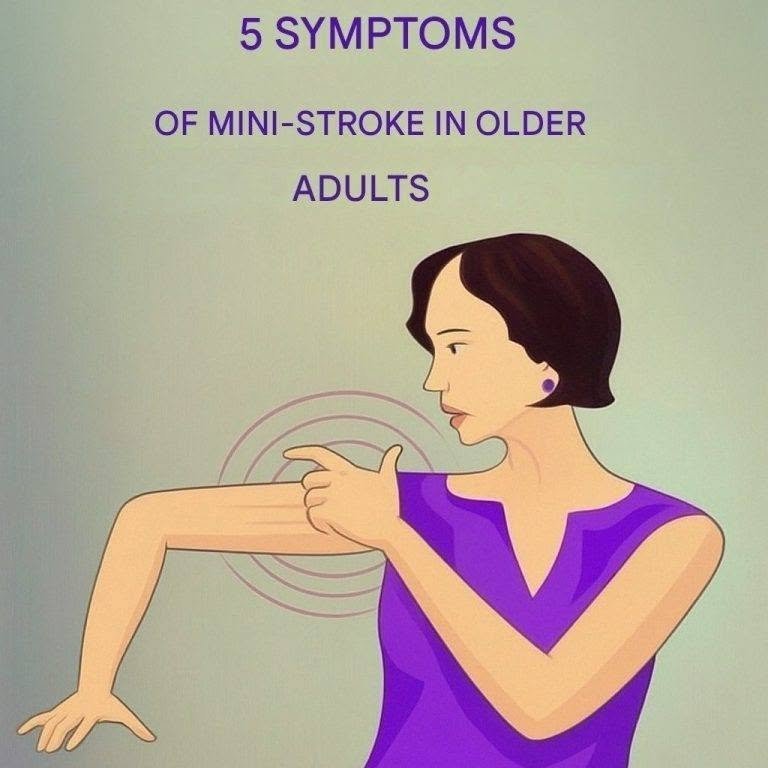
A stroke can happen suddenly, but some people experience temporary warning symptoms before a more serious event. These episodes may be caused by a transient ischemic attack (TIA), sometimes called a “mini-stroke.”
A TIA is a medical emergency because it can be a warning sign of a future stroke. Symptoms may disappear quickly, but that does not mean they are harmless.
Knowing the warning signs can help you recognize when urgent medical attention is needed.
Important: If you or someone around you develops sudden symptoms that could indicate a stroke, seek emergency medical care immediately. Do not wait to see whether the symptoms disappear.
1. Sudden Numbness or Weakness
One of the classic warning signs is sudden weakness or numbness, especially affecting the face, arm, or leg.
It may occur on one side of the body and can sometimes be subtle at first.
For example, someone might suddenly notice that one arm feels unusually weak or difficult to control.
2. A Sudden Problem With Speaking
A person may suddenly have difficulty finding words, speaking clearly, or understanding what someone else is saying.
Sometimes the change can be mistaken for tiredness or confusion.
Sudden speech difficulty should always be taken seriously.
3. Sudden Confusion
Unexpected confusion can be another warning sign.
Someone may suddenly seem unable to understand a simple conversation, follow instructions, or communicate normally.
If this happens suddenly, emergency evaluation is important.
4. Sudden Trouble Seeing
Stroke-related vision problems can affect one or both eyes.
A person may suddenly experience blurred or lost vision, double vision, or another unusual change in eyesight.
Because sudden vision changes have several possible causes, urgent medical assessment is important.
5. Sudden Dizziness or Loss of Balance
Sudden dizziness, difficulty walking, loss of coordination, or unusual balance problems can sometimes occur with a stroke.
This is especially concerning when these symptoms appear suddenly or occur together with other neurological symptoms.
6. A Sudden, Unusual Headache
A sudden, severe headache without a known cause can be a warning sign of certain types of stroke.
A particularly sudden or unusual headache should not simply be dismissed as an ordinary headache.
7. Difficulty Walking
Someone who suddenly becomes unsteady, has trouble walking, or cannot coordinate their movements normally may require urgent medical attention.
Don’t assume that sudden walking difficulty is simply part of getting older.
8. Sudden Facial Drooping
Ask the person to smile.
If one side of the face suddenly appears to droop or the smile looks uneven, this can be a stroke warning sign.
9. Sudden Loss of Coordination
Difficulty controlling an arm or leg, dropping objects unexpectedly, or suddenly becoming clumsy can sometimes indicate a neurological problem.
When these changes happen abruptly, they should be assessed urgently.
10. Symptoms That Disappear
This is one of the most important points.
A person may experience weakness, speech problems, vision changes, or other neurological symptoms that disappear after a short period.
That does not necessarily mean the danger has passed.
A TIA can cause temporary stroke-like symptoms and requires urgent medical assessment because it may precede a major stroke. The American Stroke Association recommends emergency evaluation even when symptoms disappear.
Remember FAST
A simple way to recognize common stroke symptoms is FAST:
F — Face: Does one side of the face droop?
A — Arms: Is one arm weak or drifting downward?
S — Speech: Is speech suddenly strange, slurred, or difficult to understand?
T — Time: If these symptoms appear, seek emergency medical help immediately.
Some stroke symptoms don’t fit neatly into FAST, including sudden vision problems, severe headache, dizziness, or loss of balance.
Don’t Wait for Symptoms to Become Severe
One of the biggest mistakes is waiting to see whether symptoms improve.
Stroke treatment is time-sensitive. The sooner a person receives appropriate medical evaluation and treatment, the better the chances of reducing disability.
If sudden neurological symptoms occur, call your local emergency medical service immediately.
Do not drive yourself if you are experiencing possible stroke symptoms.
The Bottom Line
There is no reliable list of symptoms that appears days or weeks before every stroke.
However, sudden neurological changes—including weakness, numbness, speech difficulty, vision problems, confusion, dizziness, balance problems, or facial drooping—can be important warning signs.
Even if symptoms disappear, they should not be ignored.
Recognizing the signs and acting quickly can make a critical difference.
To provide the best experiences, we use technologies like cookies to store and/or access device information. Consenting to these technologies will allow us to process data such as browsing behavior or unique IDs on this site. Not consenting or withdrawing consent, may adversely affect certain features and functions.
Functional
Always active
The technical storage or access is strictly necessary for the legitimate purpose of enabling the use of a specific service explicitly requested by the subscriber or user, or for the sole purpose of carrying out the transmission of a communication over an electronic communications network.
Preferences
The technical storage or access is necessary for the legitimate purpose of storing preferences that are not requested by the subscriber or user.
Statistics
The technical storage or access that is used exclusively for statistical purposes.The technical storage or access that is used exclusively for anonymous statistical purposes. Without a subpoena, voluntary compliance on the part of your Internet Service Provider, or additional records from a third party, information stored or retrieved for this purpose alone cannot usually be used to identify you.
Marketing
The technical storage or access is required to create user profiles to send advertising, or to track the user on a website or across several websites for similar marketing purposes.