Black Seed (Nigella Sativa): The Evidence-Based Guide to Benefits, Dosage, and Safety
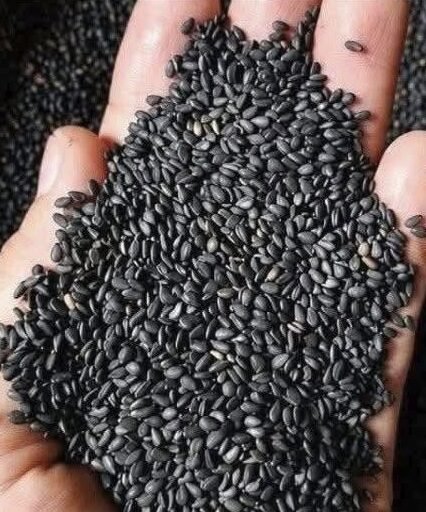
Black seed refers to the seeds of the Nigella sativa plant, a flowering plant native to North Africa and southern Europe that is now widely cultivated across Asia and the Middle East.
The seeds are small, black, and have a slightly bitter, peppery taste. They’re often used in cooking—sprinkled on bread, added to curries, or mixed into pickles. But they’re also consumed as a supplement, typically in the form of:
Black seed oil (cold-pressed)
Ground seed powder
Whole seeds
Standardized extracts (concentrated for thymoquinone content)
The seed’s primary active compound is thymoquinone (TQ), which researchers believe is responsible for many of its therapeutic effects.
What Science Says About Black Seed Benefits
Black seed has been studied for a wide range of conditions. Here’s what the current evidence supports.
1. Blood Sugar and Cholesterol Control in Type 2 Diabetes
This is one of the most well-researched areas for black seed. A 2025 systematic review and meta-analysis of 16 randomized controlled trials found that black seed supplementation significantly reduced:
Fasting blood glucose (by an average of 21.43 mg/dL)
HbA1c (a marker of long-term blood sugar control)
Total cholesterol
LDL (“bad”) cholesterol
The same analysis found no significant effects on insulin levels, triglycerides, liver enzymes, kidney function, or body weight. The researchers concluded that black seed may be a beneficial adjunct therapy for glycemic and lipid control in type 2 diabetes patients—but not a replacement for standard treatment.
2. Cholesterol Management
A separate meta-analysis of 24 clinical studies found that taking black seed modestly reduces total cholesterol, LDL cholesterol, and triglycerides, while increasing HDL (“good”) cholesterol.
The cholesterol-lowering effects are attributed to thymoquinone. However, the evidence is limited due to differences in patient populations, dosing, and preparations used in the studies. It’s also unclear whether taking black seed alongside statins provides any additional benefit—one study found that black seed powder did not lower cholesterol when compared with statin use alone.
3. Anti-Inflammatory and Antioxidant Effects
Thymoquinone has demonstrated antioxidant, anti-inflammatory, immune-stimulating, antiviral, and antibacterial effects in laboratory and animal studies.
However, there’s an important caveat: most of this research is preclinical—meaning it’s done in test tubes or on animals, not in humans. While the results are promising, they don’t yet translate directly to proven human benefits.
A fact-check by Science Feedback noted that while animal studies and some small clinical studies suggest black seed oil could help mitigate certain inflammatory conditions, larger clinical trials are still needed. Claims that black seed oil is “the most anti-inflammatory food in the world” or that it works “better than ibuprofen” are not supported by evidence.
4. Other Areas of Research
Clinical trials have explored thymoquinone for several other conditions, including:
Cancer
COVID-19
Epilepsy
Chronic periodontitis
While these studies suggest potential therapeutic benefits, the research is still in early stages. The small number of trials, limited sample sizes, and variability in dosing make it difficult to draw definitive conclusions.
How to Use Black Seed
Forms and Dosage
Black seed is typically taken as an oil or ground powder, at a dosage of 1 to 3 grams daily.
For people with type 2 diabetes, preliminary research suggests that 2 grams daily may be the sweet spot for achieving beneficial effects on lipids and blood glucose.
Form matters:
Oil and ground seed appear similarly effective
Water extracts seem to be less effective, likely because thymoquinone is fat-soluble
If you’re using a standardized extract, products are often standardized to 40–50% thymoquinone, with a recommended dose of 2–3 grams daily (equivalent to 800–1,500 mg of thymoquinone).
Safety and Side Effects
Black seed is generally well-tolerated. The most common side effects are gastrointestinal, including:
Upset stomach
Nausea
Heartburn (especially when taking oil on an empty stomach)
Safety data:
Black seed oil has been used safely in doses of up to 5 grams daily for up to 12 weeks
Black seed powder has been used safely in doses of up to 2 grams daily for up to 12 months
Important cautions:
Rare kidney injury has been observed with dosages of 2,000–2,500 mg per day
Black seed may increase the effects of diabetes and blood pressure medications, so monitoring is advised
It may inhibit certain cytochrome P450 enzymes, though more research is needed to understand the clinical implications
Avoid during pregnancy and lactation due to a lack of research
Quality concerns: The chemical composition of black seed can vary greatly depending on how it’s grown, harvested, and processed. There’s no clear link between quality and place of origin or expiration date, so choosing a reputable brand matters.
What Black Seed Is Not
It’s important to be clear about what the evidence does not support:
Black seed is not a cure-all. Traditional claims that it cures “everything except death” are not supported by modern science.
Black seed is not a replacement for prescribed medications. For diabetes, high cholesterol, or any other condition, it may be a helpful addition—but not a substitute.
Black seed is not proven to prevent or cure diseases on its own. There’s currently no evidence showing that black seed oil alone can prevent or cure any disease.
FAQ
What is black seed good for? The strongest evidence supports its use as an adjunct therapy for blood sugar and cholesterol control in type 2 diabetes. It also shows promise as an anti-inflammatory and antioxidant agent, though more human research is needed.
How much black seed should I take? Typical dosages range from 1 to 3 grams daily of oil or ground powder. For type 2 diabetes, 2 grams daily may be optimal.
Is black seed oil safe? Yes, for most people. It’s generally well-tolerated at doses up to 5 grams daily for up to 12 weeks. Side effects are usually mild and gastrointestinal.
Can I take black seed with my medications? Black seed may interact with diabetes and blood pressure medications. Always consult your healthcare provider before combining supplements with prescription drugs.
Should I take black seed oil or powder? Both oil and ground seed appear similarly effective. Water extracts are less effective because the active compound is fat-soluble.
Final Thoughts
Black seed is a fascinating plant with a long history of traditional use and a growing body of modern research behind it. The evidence is strongest for its role in supporting blood sugar and cholesterol control in type 2 diabetes. It also shows promise as an anti-inflammatory and antioxidant agent.
But it’s not a miracle cure. It’s a supplement—one that may offer real benefits when used responsibly, alongside—not instead of—proven medical treatments.
If you’re considering adding black seed to your routine, talk to your healthcare provider first. And as always, choose quality products from reputable brands.
Your health is worth protecting—with science, not social media hype.
Medical Disclaimer: This article is for educational purposes only and is not a substitute for professional medical advice, diagnosis, or treatment. Always seek the advice of your physician or another qualified health provider with any questions you may have regarding a medical condition.
To provide the best experiences, we use technologies like cookies to store and/or access device information. Consenting to these technologies will allow us to process data such as browsing behavior or unique IDs on this site. Not consenting or withdrawing consent, may adversely affect certain features and functions.
Functional
Always active
The technical storage or access is strictly necessary for the legitimate purpose of enabling the use of a specific service explicitly requested by the subscriber or user, or for the sole purpose of carrying out the transmission of a communication over an electronic communications network.
Preferences
The technical storage or access is necessary for the legitimate purpose of storing preferences that are not requested by the subscriber or user.
Statistics
The technical storage or access that is used exclusively for statistical purposes.The technical storage or access that is used exclusively for anonymous statistical purposes. Without a subpoena, voluntary compliance on the part of your Internet Service Provider, or additional records from a third party, information stored or retrieved for this purpose alone cannot usually be used to identify you.
Marketing
The technical storage or access is required to create user profiles to send advertising, or to track the user on a website or across several websites for similar marketing purposes.