Warning: Some Medicines May Increase the Risk of Blood Clots and Heart Problems
Meta Description: Learn which types of medicines may increase the risk of blood clots or cardiovascular problems in certain people and why you should never stop medication without medical advice.
Certain medications can affect the cardiovascular system, and some may increase the risk of blood clots, stroke, or heart-related complications in specific people.
However, the risk depends on the medication, dose, duration of use, age, medical history, and other risk factors. A medicine that is appropriate for one person may not be appropriate for another.
That’s why it’s important to understand potential risks without becoming alarmed or stopping treatment on your own.
What Are Blood Clots?
A blood clot forms when blood changes from a liquid to a thicker, gel-like state.
Clotting is a normal and important process when you are injured. Problems can occur when a clot forms inside a blood vessel and blocks normal blood flow.
A clot can sometimes travel to another part of the body, making the situation potentially serious.
Types of Medicines That May Require Special Attention
1. Some Hormonal Medicines
Certain hormone-containing medicines can increase the risk of blood clots in some people.
The level of risk depends on the specific product and individual factors such as age, smoking status, and medical history.
2. Some Cancer Treatments
Certain cancer therapies can affect blood clotting and may increase the risk of thrombosis.
People receiving cancer treatment should discuss any new symptoms with their healthcare team.
3. Some Medicines That Affect Blood Clotting
Medications that influence clotting can either increase or decrease the tendency to form clots, depending on their purpose and mechanism.
This is why taking the correct dose and following medical instructions is extremely important.
4. Some Medicines That Can Affect Blood Pressure or Heart Rhythm
Certain medications can influence blood pressure, heart rate, or heart rhythm.
The effects vary widely between medicines and individuals, so a healthcare professional should assess the overall risk.
5. Some Medications With Important Drug Interactions
Sometimes the risk comes from a combination of medicines rather than one medication alone.
Certain drugs can interact with one another and change how the body processes them, potentially increasing side effects.
Who May Have a Higher Risk?
The risk of blood clots or cardiovascular complications can be influenced by factors such as:
Older age
Smoking
Previous blood clots
Certain heart conditions
Obesity
Cancer
Recent surgery or prolonged immobility
Certain inherited clotting conditions
Use of particular medications
Having one risk factor does not mean that a serious complication will occur.
Warning Signs That Need Urgent Attention
Some symptoms can indicate a potentially serious cardiovascular or clotting problem.
Seek urgent medical attention if you experience symptoms such as:
Possible Blood Clot Symptoms
Sudden swelling or pain in one leg
Unexplained warmth or redness in an area of the leg
Possible Lung Clot Symptoms
Sudden difficulty breathing
Chest pain, especially with breathing
Coughing up blood
Unexplained rapid heartbeat
Possible Heart Attack Symptoms
Pressure, squeezing, or pain in the chest
Pain spreading to the arm, shoulder, back, neck, or jaw
Shortness of breath
Cold sweating
Sudden nausea or unusual weakness
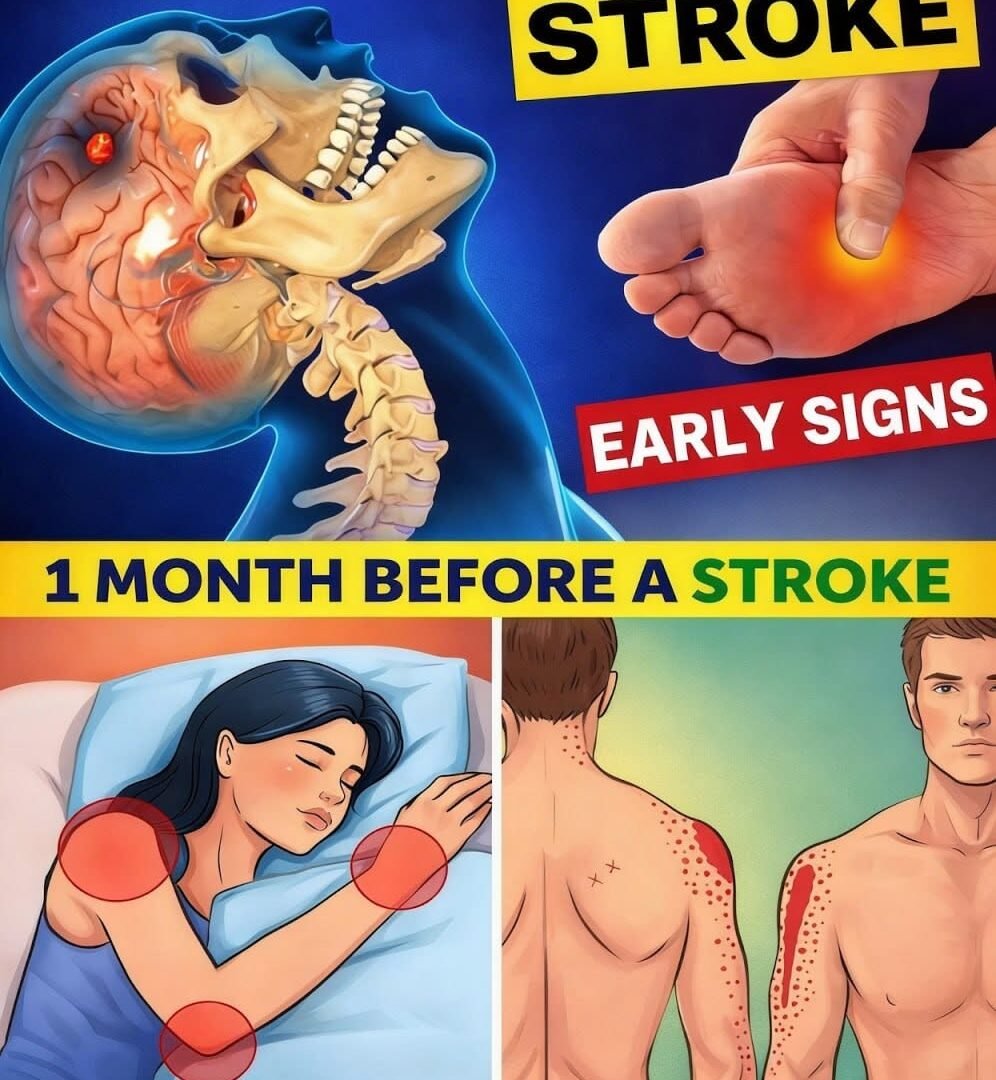
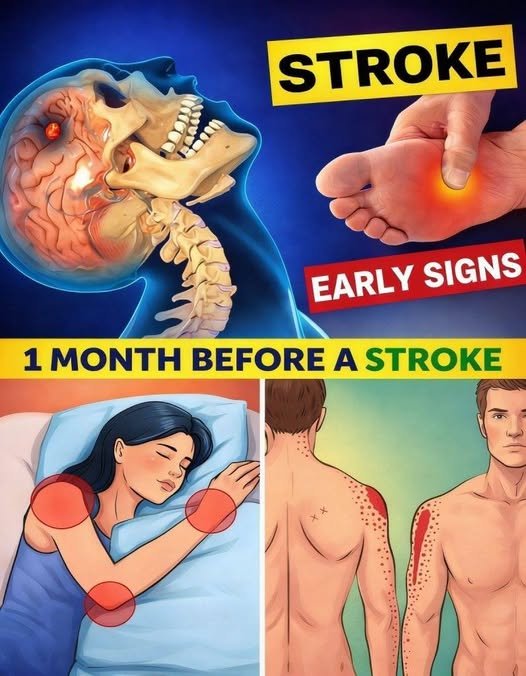
Possible Stroke Symptoms
Sudden weakness or numbness, especially on one side
Sudden difficulty speaking or understanding speech
Sudden vision problems
Sudden loss of balance or coordination
These symptoms can have different causes, but potentially serious symptoms should not be ignored.
Should You Stop Taking Your Medication?
No—not without medical advice.
Stopping certain prescription medicines suddenly can itself be dangerous.
If you’re concerned about a medication, contact your doctor or pharmacist and ask whether your treatment should be changed, adjusted, or monitored.
A medication review can help identify possible interactions and determine whether the benefits of treatment outweigh the risks for you.
How to Reduce Medication-Related Risks
Keep an Updated Medication List
Include prescriptions, over-the-counter medicines, and supplements.
Tell Every Healthcare Professional What You Take
This helps reduce the chance of potentially harmful drug interactions.
Follow the Prescribed Dose
Don’t increase, decrease, or discontinue medication without professional guidance.
Report New Symptoms
If you develop unusual swelling, chest discomfort, breathing problems, severe dizziness, or other concerning symptoms, seek appropriate medical care.
Frequently Asked Questions
Can medicines cause blood clots?
Some medications can increase clotting risk in certain circumstances, while others are specifically used to reduce clot formation.
Does taking one of these medicines mean I will develop a blood clot?
No. Increased risk does not mean that a complication will definitely occur.
Should I stop a medication because I’m worried about blood clots?
No. Talk to your doctor or pharmacist first. Suddenly stopping some medications can create additional risks.
Can two medicines together increase side effects?
Yes. Drug interactions can sometimes change how medications work or increase unwanted effects.
Final Thoughts
Medication safety is about understanding both benefits and risks.
Some medicines can increase the likelihood of blood clots or cardiovascular complications in certain people, but the risk varies considerably. The safest approach is not to panic or stop treatment independently—it is to discuss your concerns with a qualified healthcare professional.
If you develop sudden chest pain, difficulty breathing, signs of stroke, or other potentially serious symptoms, seek urgent medical attention.
To provide the best experiences, we use technologies like cookies to store and/or access device information. Consenting to these technologies will allow us to process data such as browsing behavior or unique IDs on this site. Not consenting or withdrawing consent, may adversely affect certain features and functions.
Functional
Always active
The technical storage or access is strictly necessary for the legitimate purpose of enabling the use of a specific service explicitly requested by the subscriber or user, or for the sole purpose of carrying out the transmission of a communication over an electronic communications network.
Preferences
The technical storage or access is necessary for the legitimate purpose of storing preferences that are not requested by the subscriber or user.
Statistics
The technical storage or access that is used exclusively for statistical purposes.The technical storage or access that is used exclusively for anonymous statistical purposes. Without a subpoena, voluntary compliance on the part of your Internet Service Provider, or additional records from a third party, information stored or retrieved for this purpose alone cannot usually be used to identify you.
Marketing
The technical storage or access is required to create user profiles to send advertising, or to track the user on a website or across several websites for similar marketing purposes.