Aneurysm: 7 Critical Symptoms You Shouldn’t Ignore
Aneurysms are often called “silent threats” because they can develop without noticeable symptoms until they become life-threatening. Understanding the warning signs could save your life or the life of someone you love. In this comprehensive guide, we’ll explore the critical symptoms that require immediate medical attention.
What Is an Aneurysm?
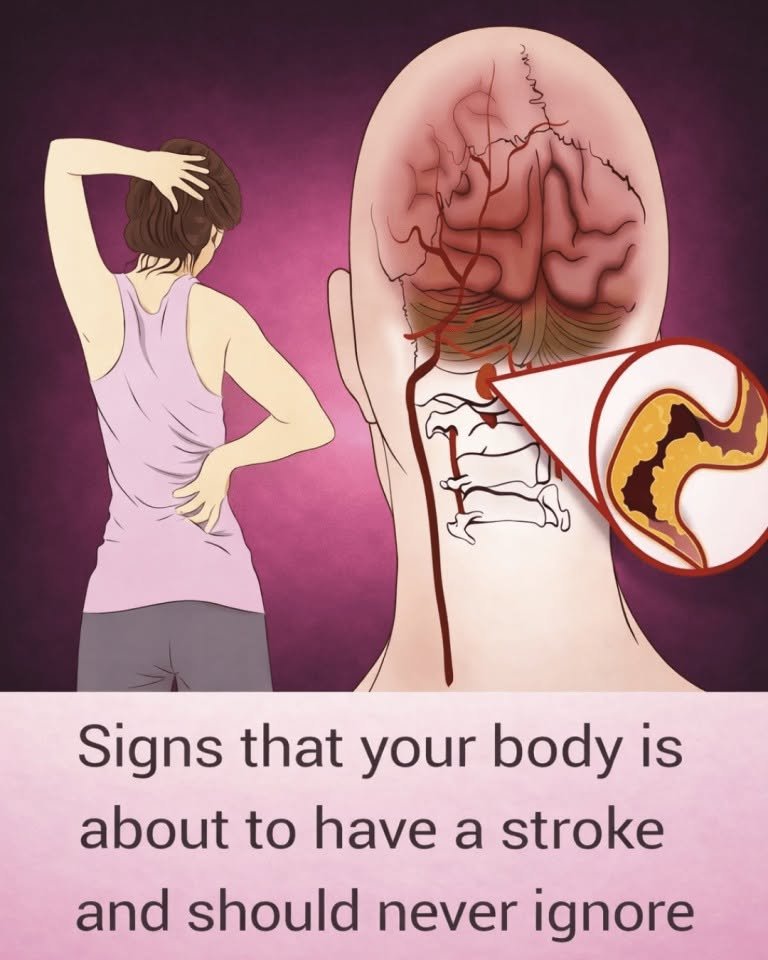
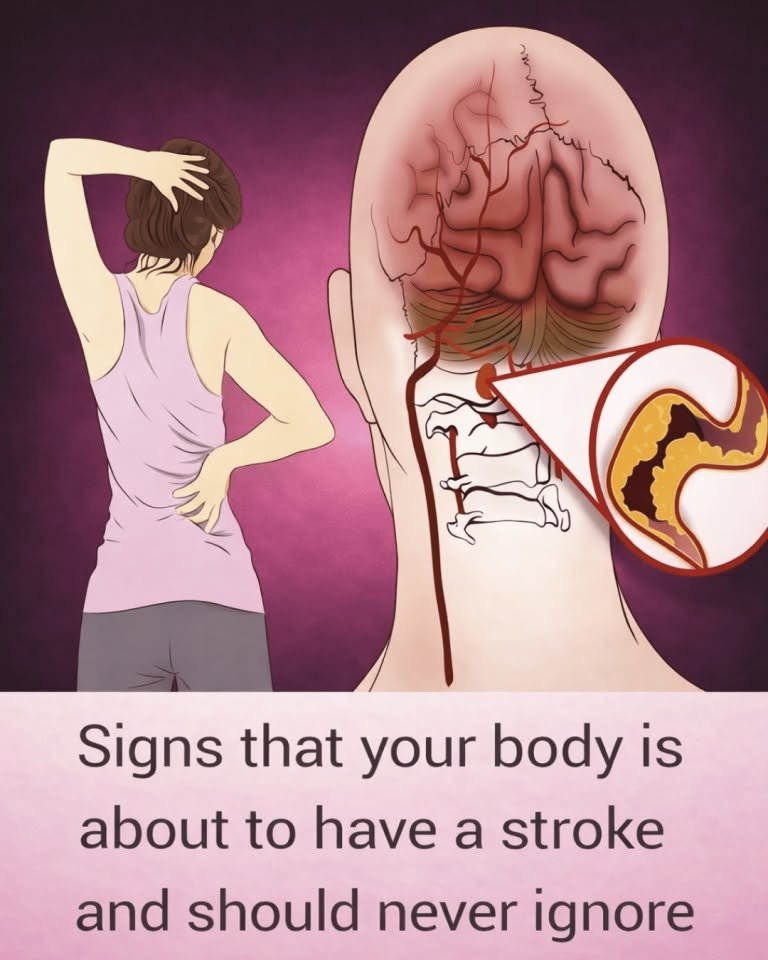
An aneurysm is a bulge or ballooning in a blood vessel that occurs when an area on an artery wall expands like a balloon. When left untreated, these bulging vessels weaken and may eventually burst, causing severe internal bleeding. Brain aneurysms, also known as cerebral aneurysms, specifically affect blood vessels in the brain.
7 Warning Signs of an Aneurysm You Must Know
1. Sudden, Severe Headache
The most common symptom of a ruptured brain aneurysm is a sudden, intense headache—often described as “the worst headache of your life.” This thunderclap headache appears without warning and reaches maximum intensity within seconds to minutes.
When to act: Seek emergency medical care immediately if you experience a sudden, severe headache that feels completely different from your usual headaches.
2. Vision Changes
Blurred vision, double vision, or loss of vision can signal an aneurysm, particularly when it affects blood vessels near the eyes. You may also experience:
A drooping eyelid
A dilated pupil
Pain above and behind one eye
These symptoms occur because the aneurysm puts pressure on the nerves controlling eye function.
3. Neck Stiffness and Pain
A stiff neck, especially when accompanied by a severe headache, is a classic sign of a ruptured aneurysm. This neck stiffness often comes with:
Pain in the neck or upper back
Difficulty moving the neck
Sensitivity to light
4. Nausea and Vomiting
Nausea and vomiting frequently accompany the severe headache associated with an aneurysm rupture. These symptoms occur suddenly and may be accompanied by:
Dizziness
Loss of appetite
General feelings of illness
5. Weakness or Numbness
Sudden weakness or numbness, particularly on one side of the face or body, can indicate an aneurysm affecting blood flow to the brain. Watch for:
Facial drooping
Weakness in arms or legs
Difficulty speaking or understanding speech
6. Seizures or Loss of Consciousness
A seizure or sudden loss of consciousness can be a sign of a ruptured aneurysm. Some people may experience:
Brief loss of consciousness
Confusion or disorientation
Complete coma in severe cases
7. Sensitivity to Light
Photophobia, or extreme sensitivity to light, often accompanies other aneurysm symptoms. This symptom typically appears alongside a severe headache, neck stiffness, and nausea.
Types of Aneurysms
Understanding different types helps recognize varied symptoms:
Cerebral (Brain) Aneurysms: Affect blood vessels in the brain. They can be saccular (often called a “berry aneurysm”), fusiform, or mycotic.
Abdominal Aortic Aneurysm (AAA): Occurs in the aorta within the abdomen. May cause constant pain in the abdomen, chest, lower back, or groin area.
Thoracic Aortic Aneurysm: Develops in the upper part of the aorta in the chest.
Risk Factors to Consider
While anyone can develop an aneurysm, certain factors increase your risk:
Age: Brain aneurysms can occur at any age but are more common in adults.
Family history: Genetics play a significant role.
High blood pressure: Increases stress on artery walls.
Smoking: Weakens blood vessel walls.
Gender: Women have a slightly higher risk of developing brain aneurysms.
When to Seek Emergency Care
Call 911 or go to the nearest emergency room immediately if you or someone else experiences:
A sudden, severe headache unlike any before
Loss of consciousness
A seizure
Sudden vision changes accompanied by facial pain
A stiff neck with dizziness or nausea
Remember: Time is critical. A ruptured aneurysm is a life-threatening emergency requiring immediate medical intervention.
Diagnosis and Treatment
Most small aneurysms don’t cause symptoms and are often discovered during tests for other conditions. If you’re at risk or experiencing symptoms, doctors may use CT scans, MRI imaging, or cerebral angiography to diagnose the issue. Treatment options vary based on size, location, and rupture risk, ranging from careful monitoring to surgical intervention.
Prevention Tips
While not all aneurysms can be prevented, you can significantly reduce your risk by:
Controlling high blood pressure
Quitting smoking
Maintaining a healthy, balanced diet
Engaging in regular exercise
Limiting alcohol consumption
Getting regular medical check-ups if you have a family history of aneurysms
Conclusion
Aneurysms are serious medical conditions that require prompt attention. Knowing these warning signs could make the difference between life and death. If you or someone you know experiences any of these symptoms, don’t wait—seek emergency medical care immediately. Share this information with your loved ones, because awareness saves lives.
⚠️ IMPORTANT MEDICAL DISCLAIMER
This content is for educational and informational purposes only and is not intended as medical advice. Always consult with a qualified healthcare professional for diagnosis and treatment. Never delay seeking emergency medical care because of something you read online. If you experience any symptoms of a ruptured aneurysm, call emergency services immediately. Individual symptoms and conditions vary—only a healthcare provider can provide a proper diagnosis.
To provide the best experiences, we use technologies like cookies to store and/or access device information. Consenting to these technologies will allow us to process data such as browsing behavior or unique IDs on this site. Not consenting or withdrawing consent, may adversely affect certain features and functions.
Functional
Always active
The technical storage or access is strictly necessary for the legitimate purpose of enabling the use of a specific service explicitly requested by the subscriber or user, or for the sole purpose of carrying out the transmission of a communication over an electronic communications network.
Preferences
The technical storage or access is necessary for the legitimate purpose of storing preferences that are not requested by the subscriber or user.
Statistics
The technical storage or access that is used exclusively for statistical purposes.The technical storage or access that is used exclusively for anonymous statistical purposes. Without a subpoena, voluntary compliance on the part of your Internet Service Provider, or additional records from a third party, information stored or retrieved for this purpose alone cannot usually be used to identify you.
Marketing
The technical storage or access is required to create user profiles to send advertising, or to track the user on a website or across several websites for similar marketing purposes.