Tiny Bug Found in Hair? Here’s What It Could Be and What to Do Next
Finding a tiny bug in your or a friend’s hair can be alarming, but don’t panic! Identifying what you’re dealing with is the first step toward solving the problem.
What You’re Looking At
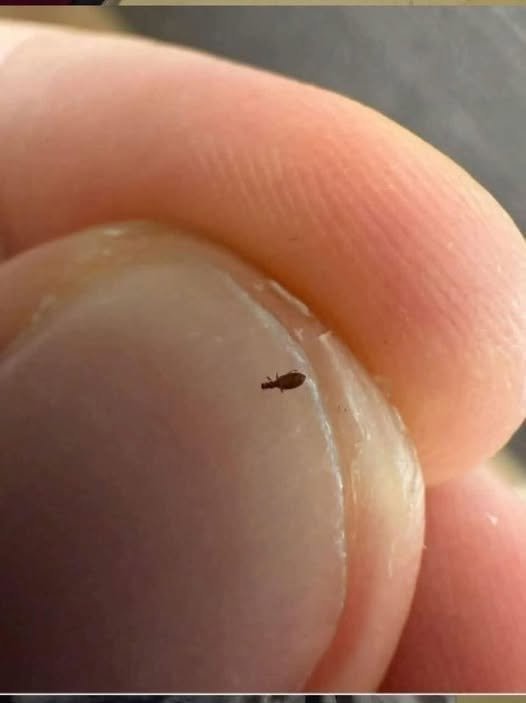
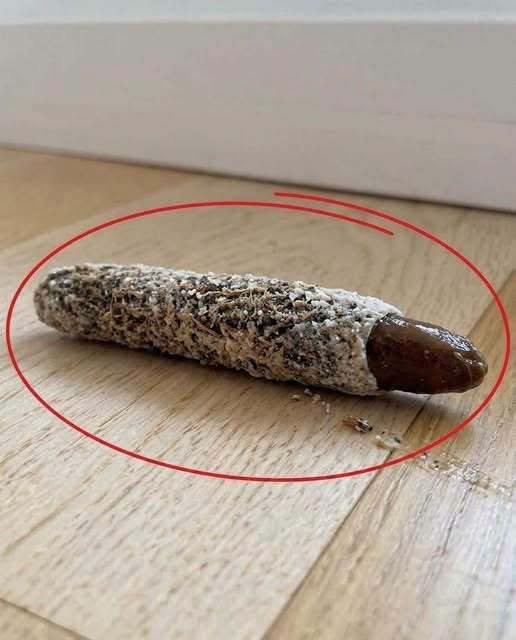
Based on the image, this appears to be a very small insect, likely one of the following:
1. Head Lice (Most Likely)
Head lice are tiny insects that feed on human blood, most often from the scalp
www.mayoclinic.org. These insects are found worldwide and infect hair of any length and type
www.mayoclinic.org. Adult head lice are typically:
About 2-3mm long (about the size of a sesame seed)
Greyish or brownish in color
Wingless with six legs
Slow-moving crawlers that grip hair close to the scalp liceliftersmercer.com
2. Booklice (Psocids)
Booklice are another possibility. They are 1-6mm in length with soft bodies and can range from creamy white to dark brown
www.facebook.com
ask.extension.org. However, booklice are typically found in moist areas indoors and outdoors, not on human hosts
www.terminix.com.
Key Differences to Look For
Head Lice:
Found in hair and scalp of humans
Crawl slowly and grip hair shafts
Lay eggs (nits) that stick to hair near the root
Feed on human blood
Cause itchy scalp
Booklice:
Found in damp, humid environments
Don’t live on humans or feed on blood
Move more quickly
Feed on mold and organic matter
Harmless to humans
What to Do Next
If it’s head lice:
Check thoroughly – Look for nits (eggs) near the hair follicle about ¼ inch from the scalp. Nits will be white or yellowish-brown ovals www.cdc.gov.
Confirm the diagnosis – Head lice are wingless, crawl slowly, and grip hair close to the scalp. Anything that jumps, flies, or moves quickly is likely not lice liceliftersmercer.com.
Treat immediately – Use medicated hair treatments recommended by healthcare providers or pharmacists www.facebook.com.
Check close contacts – Anyone who has been in close contact should also be checked www.mayoclinic.org.
Clean belongings – Wash bedding, clothing, and towels in hot water.
If it’s booklice or another insect:
Booklice don’t infest humans, so if that’s what you found, there’s no need for hair treatment. However, you may want to address moisture issues in your home where booklice thrive
www.terminix.com.
When to See a Professional
If you’re unsure what type of bug you’ve found, or if over-the-counter treatments aren’t working, consult with:
A healthcare provider
A professional lice removal service
A pest control expert (for booklice in the home)
Remember: Finding bugs in hair doesn’t mean poor hygiene. Head lice can affect anyone, regardless of how clean their hair or home is
www.mayoclinic.org. The important thing is to identify the problem quickly and treat it appropriately.
Stay calm, act fast, and you’ll have this under control in no time!
To provide the best experiences, we use technologies like cookies to store and/or access device information. Consenting to these technologies will allow us to process data such as browsing behavior or unique IDs on this site. Not consenting or withdrawing consent, may adversely affect certain features and functions.
Functional
Always active
The technical storage or access is strictly necessary for the legitimate purpose of enabling the use of a specific service explicitly requested by the subscriber or user, or for the sole purpose of carrying out the transmission of a communication over an electronic communications network.
Preferences
The technical storage or access is necessary for the legitimate purpose of storing preferences that are not requested by the subscriber or user.
Statistics
The technical storage or access that is used exclusively for statistical purposes.The technical storage or access that is used exclusively for anonymous statistical purposes. Without a subpoena, voluntary compliance on the part of your Internet Service Provider, or additional records from a third party, information stored or retrieved for this purpose alone cannot usually be used to identify you.
Marketing
The technical storage or access is required to create user profiles to send advertising, or to track the user on a website or across several websites for similar marketing purposes.