The Truth About Ear Hair: What It Really Says About Your Health
The Truth About Ear Hair: What It Really Says About Your Health
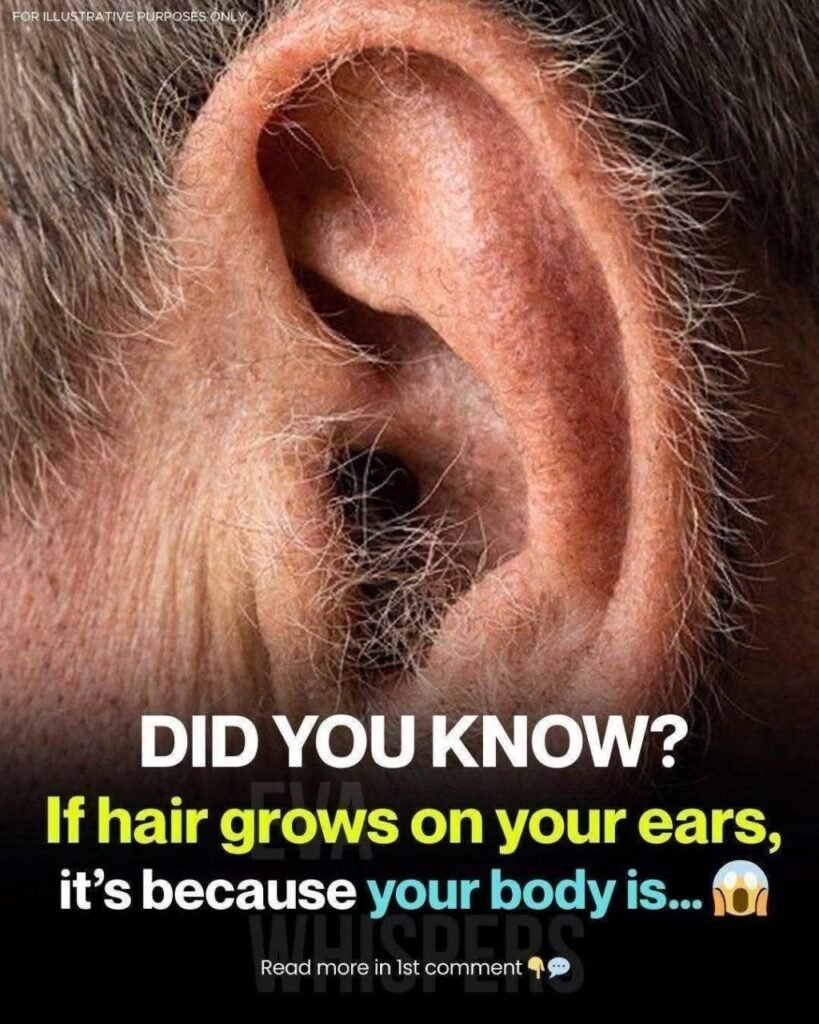
It’s a common sight as men get older: thick, wiry hairs sprouting from the ears. You’ve likely seen viral posts claiming that this is a sign of longevity or robust health. But is there any truth to the idea that ear hair is a sign of a longer life? Let’s look at the science behind this common aging phenomenon and separate the facts from the folklore.
The Science of Ear Hair: It’s All About Hormones
The primary driver behind ear and nose hair growth as men age is a person’s hormonal profile, specifically testosterone. As men get older, their testosterone levels gradually decline. However, the hair follicles in the ears and nose can become more sensitive to the testosterone that remains.
This increased sensitivity is what causes the fine, nearly invisible “vellus” hairs (peach fuzz) in your ears to transform into thicker, darker, and more noticeable “terminal” hairs. This is the same type of hair found on your scalp or in your eyebrows. While men may experience hair thinning on their heads due to hormonal changes, the follicles in the ears respond in the opposite way, leading to more prominent growth.
Debunking the Myth: Ear Hair and Longevity
The claim that ear hair is a sign of longevity is a widespread myth. There is no scientific evidence to support a direct link between having hairy ears and living a longer life.
The confusion may arise from the fact that ear hair is a sign of aging—and since people who live longer are, by definition, older, the two are correlated. However, the ear hair itself is not the cause of longevity. It is simply a benign, visible marker of the aging process. Genetics also play a significant role; some men are simply predisposed to developing hairier ears than others, regardless of their overall health.
When Ear Hair Might Signal a Health Issue
While ear hair is generally harmless, there are rare instances where a sudden increase could be a sign of an underlying health condition.
HIV Infection: Some studies suggest that excessive ear hair might be a symptom of human immunodeficiency virus (HIV). If you notice a significant and sudden increase in ear hair, it is a good idea to mention it to your healthcare provider.
Heart Disease (in Women): There is some medical debate over whether ear canal hair, when accompanied by a diagonal crease in the earlobe, can predict a higher occurrence of heart disease. This is a controversial topic in the medical community, and more research is needed to establish a definitive link.
The Bottom Line: Is Ear Hair a Problem?
For the vast majority of men, ear hair is a completely normal part of aging. It’s a cosmetic issue, not a health crisis. The hair in your ears actually serves a purpose, helping to trap dust and debris and keep your ear canal clean. While it may be annoying to deal with, it isn’t a sign of disease, nor is it a secret to a longer life.
If you’re bothered by it, there are many safe ways to remove it, from trimming and plucking to waxing and laser treatments. However, if you experience a sudden change in hair growth, it’s always best to consult with a doctor to rule out any underlying issues.
To provide the best experiences, we use technologies like cookies to store and/or access device information. Consenting to these technologies will allow us to process data such as browsing behavior or unique IDs on this site. Not consenting or withdrawing consent, may adversely affect certain features and functions.
Functional
Always active
The technical storage or access is strictly necessary for the legitimate purpose of enabling the use of a specific service explicitly requested by the subscriber or user, or for the sole purpose of carrying out the transmission of a communication over an electronic communications network.
Preferences
The technical storage or access is necessary for the legitimate purpose of storing preferences that are not requested by the subscriber or user.
Statistics
The technical storage or access that is used exclusively for statistical purposes.The technical storage or access that is used exclusively for anonymous statistical purposes. Without a subpoena, voluntary compliance on the part of your Internet Service Provider, or additional records from a third party, information stored or retrieved for this purpose alone cannot usually be used to identify you.
Marketing
The technical storage or access is required to create user profiles to send advertising, or to track the user on a website or across several websites for similar marketing purposes.