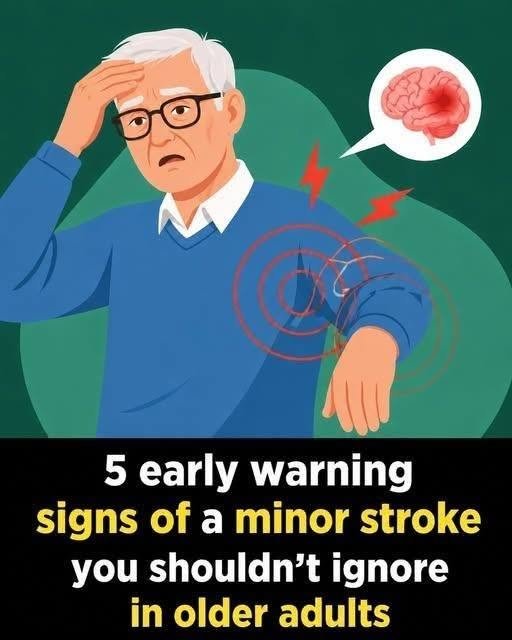
5 Symptoms of a Mini Stroke in Seniors That Shouldn’t Be Ignored
A mini-stroke, medically known as a transient ischemic attack (TIA), happens when blood flow to part of the brain is temporarily interrupted. The symptoms may disappear within minutes or hours, but that does not mean the event is harmless.
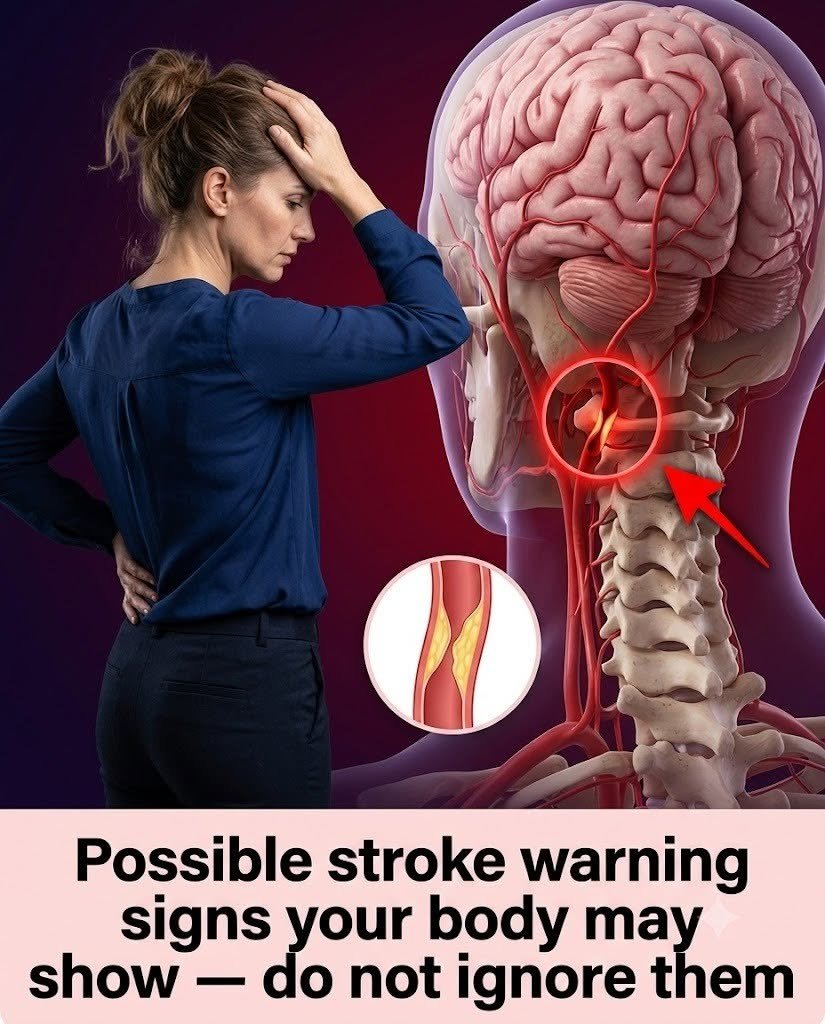
A TIA can be an important warning that a more serious stroke could occur in the future. Recognizing possible warning signs and seeking urgent medical attention can make a significant difference.
What Is a Mini-Stroke?
A transient ischemic attack occurs when blood flow to part of the brain is briefly blocked. Unlike many strokes, the symptoms usually resolve without causing lasting brain injury.
However, it is impossible to reliably tell at home whether symptoms are caused by a TIA or a full stroke. Sudden stroke-like symptoms should be treated as an emergency, even if they improve.
5 Symptoms of a Possible Mini-Stroke
1. Sudden Weakness or Numbness
One of the most recognizable warning signs is sudden weakness, numbness, or loss of sensation, particularly on one side of the body.
This may affect the face, arm, or leg. Someone may suddenly have difficulty lifting one arm, walking normally, or keeping their balance.
2. Sudden Trouble Speaking or Understanding
A person may suddenly have difficulty speaking clearly, finding the right words, or understanding what others are saying.
Speech can sometimes sound confused or unusual. Because communication problems can have several causes, sudden onset is particularly important to take seriously.
3. Sudden Vision Changes
Temporary vision problems can occur with a TIA. A person might suddenly experience blurred or lost vision in one or both eyes, double vision, or another unusual change in sight.
Even if normal vision returns quickly, sudden unexplained vision changes deserve urgent medical evaluation.
4. Sudden Dizziness or Loss of Balance
A TIA may sometimes cause sudden dizziness, difficulty walking, loss of coordination, or problems maintaining balance.
These symptoms can also result from less serious conditions, but a sudden unexplained change—especially when combined with weakness, speech problems, or vision changes—should not be ignored.
5. Sudden Severe Headache
A sudden, unusual, or extremely severe headache can sometimes accompany a stroke or another serious neurological problem.
A severe headache that appears suddenly, particularly when accompanied by confusion, weakness, vision changes, vomiting, or difficulty speaking, requires emergency medical attention.
Remember FAST
A simple way to recognize common stroke warning signs is FAST:
F — Face: Is one side of the face drooping?
A — Arms: Is one arm weak or difficult to raise?
S — Speech: Is speech slurred, strange, or difficult to understand?
T — Time: Call emergency medical services immediately.
Other symptoms, including sudden vision problems, severe dizziness, or an unusual severe headache, can also require emergency attention.
What Should You Do If Symptoms Disappear?
Do not simply assume everything is fine because the symptoms have gone away.
A suspected TIA requires prompt medical assessment because it can signal an increased risk of a future stroke. If symptoms are happening now—or have just occurred—contact your local emergency medical service rather than waiting for a routine appointment.
Why TIAs Matter More Than They May Seem
A TIA can serve as an important warning about underlying problems affecting blood vessels or blood flow to the brain. Doctors may evaluate factors such as blood pressure, heart rhythm, cholesterol, diabetes, and other stroke risk factors.
Early assessment can help identify possible causes and determine appropriate prevention strategies.
Frequently Asked Questions
Is a mini-stroke the same as a stroke?
No. A TIA causes temporary stroke-like symptoms without the lasting brain injury associated with many strokes. However, the symptoms can look similar, so emergency evaluation is important.
Can a mini-stroke symptoms go away?
Yes. TIA symptoms typically resolve, sometimes quite quickly. Their disappearance does not mean the event should be ignored.
Can older adults have a TIA without realizing it?
Some neurological events may be difficult to recognize, but sudden weakness, speech difficulties, vision changes, or balance problems should always be taken seriously.
When should emergency help be called?
Call emergency medical services immediately for sudden symptoms that could indicate a stroke or TIA, especially facial drooping, arm weakness, speech difficulty, sudden vision loss, or severe unexplained neurological symptoms.
Final Thoughts
A mini-stroke can be temporary, but it should never be treated as insignificant. Sudden neurological symptoms require prompt medical attention, even when they disappear.
Knowing the warning signs can help families recognize when something is wrong and seek care without unnecessary delay.
To provide the best experiences, we use technologies like cookies to store and/or access device information. Consenting to these technologies will allow us to process data such as browsing behavior or unique IDs on this site. Not consenting or withdrawing consent, may adversely affect certain features and functions.
Functional
Always active
The technical storage or access is strictly necessary for the legitimate purpose of enabling the use of a specific service explicitly requested by the subscriber or user, or for the sole purpose of carrying out the transmission of a communication over an electronic communications network.
Preferences
The technical storage or access is necessary for the legitimate purpose of storing preferences that are not requested by the subscriber or user.
Statistics
The technical storage or access that is used exclusively for statistical purposes.The technical storage or access that is used exclusively for anonymous statistical purposes. Without a subpoena, voluntary compliance on the part of your Internet Service Provider, or additional records from a third party, information stored or retrieved for this purpose alone cannot usually be used to identify you.
Marketing
The technical storage or access is required to create user profiles to send advertising, or to track the user on a website or across several websites for similar marketing purposes.