Senior Health Warning: Can This Vitamin Increase Stroke Risk?
A dramatic headline can make any health claim sound frightening—but when it comes to vitamins and stroke risk, the details matter.
Some vitamins and supplements can interact with medications or may be inappropriate at certain doses or for people with specific health conditions. However, it is misleading to claim that a vitamin suddenly causes a stroke “overnight” without identifying the specific vitamin, dose, medication interactions, and individual risk factors.
For older adults, the safest approach is to review supplements regularly with a doctor or pharmacist rather than stopping an essential medication or supplement because of a social-media claim.
Why Vitamin and Supplement Safety Matters for Seniors
As people get older, they are more likely to take several prescription medicines, over-the-counter products, and dietary supplements at the same time.
This can make drug–supplement interactions particularly important.
A product that seems harmless because it is labeled a “vitamin” can still have effects on the body or interact with other medications.
More Is Not Always Better
Taking more of a vitamin does not necessarily provide greater health benefits.
Some vitamins are stored in the body, and excessive intake of certain nutrients can cause health problems. That’s why supplements should generally be used according to medical advice and recommended amounts.
What About Stroke Risk?
Stroke risk is influenced by many factors, including:
High blood pressure
Diabetes
High cholesterol
Smoking
Atrial fibrillation and other heart conditions
Previous stroke or transient ischemic attack (TIA)
Age and family history
Certain medications and medical conditions
Because stroke has many possible risk factors, it is rarely accurate to blame a single vitamin without considering the person’s overall health.
What Seniors Should Do Before Taking a New Supplement
1. Check the Exact Product
Write down the name, dosage, and ingredients of every vitamin or supplement you take.
2. Review Your Medications
Ask a doctor or pharmacist whether the supplement could interact with prescription or over-the-counter medicines.
3. Avoid Megadoses
Follow the recommended dosage unless a qualified healthcare professional has specifically advised a different amount.
4. Don’t Stop Prescribed Medication Suddenly
If you see a frightening claim online, speak with a healthcare professional before changing a prescribed treatment.
Know the Warning Signs of Stroke
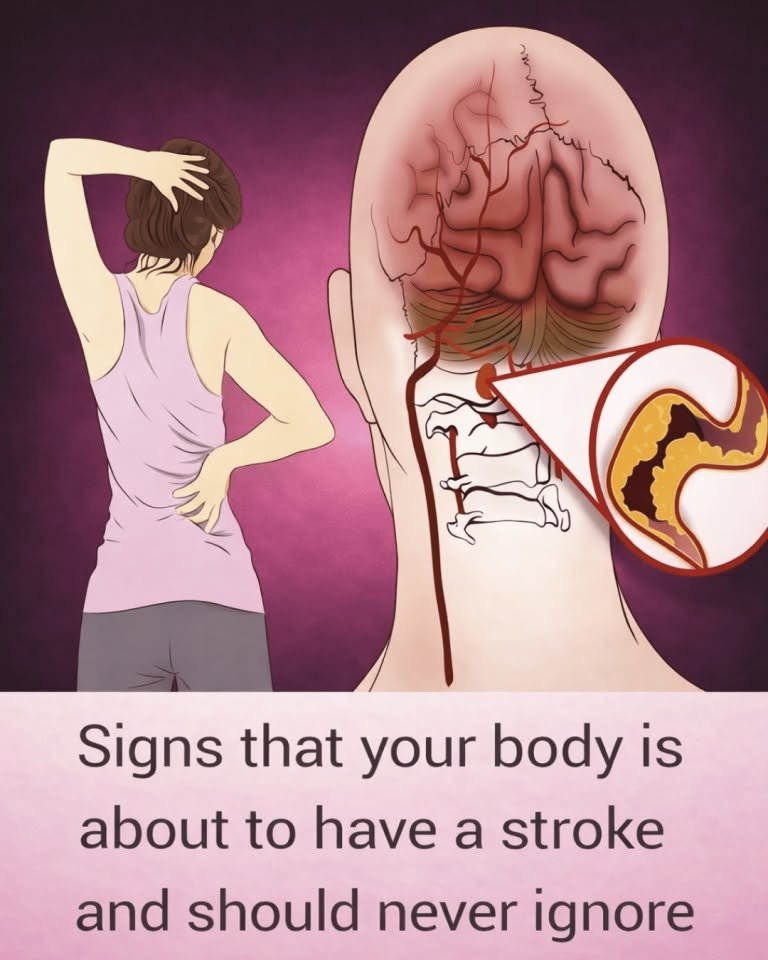
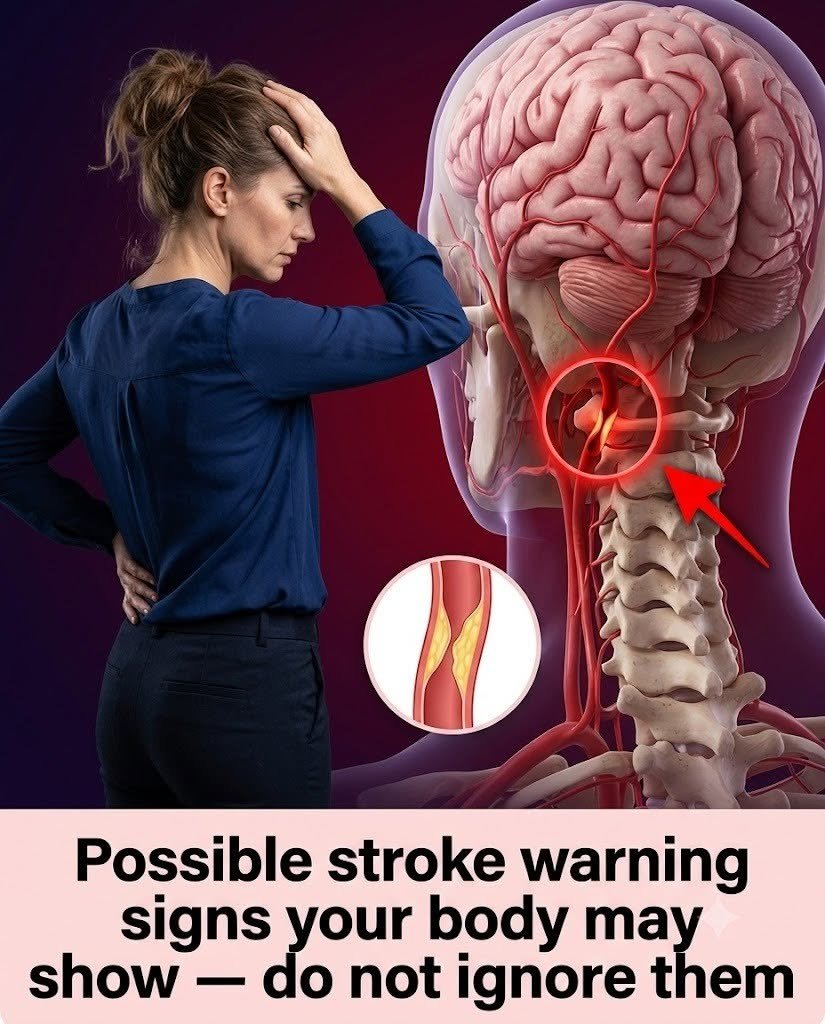
Stroke symptoms can appear suddenly. Common warning signs include:
Sudden weakness or numbness, especially on one side of the body
Sudden difficulty speaking or understanding speech
Sudden vision problems
Sudden trouble walking, dizziness, or loss of balance
Sudden severe headache with no known cause
A suspected stroke is a medical emergency. Seek emergency medical care immediately rather than waiting for symptoms to disappear.
Frequently Asked Questions
Can vitamins cause a stroke?
There is no blanket rule that vitamins cause strokes. Risk depends on the specific substance, dose, health condition, and possible interactions with other medications.
Should seniors stop taking vitamins?
Not necessarily. Some people may benefit from specific supplements, while others may not need them. A healthcare professional can help determine what is appropriate.
Can supplements interact with prescription medicines?
Yes. Some supplements can affect how medicines work or change their effects. Tell your doctor or pharmacist about all supplements you use.
Is a high dose safer because it is a vitamin?
No. Higher doses are not automatically safer or more beneficial.
Final Takeaway
Don’t let a sensational headline make a medical decision for you.
For seniors especially, vitamins and supplements should be considered alongside existing medications, medical conditions, and individual nutritional needs.
If you’re worried about a supplement or have noticed a new health problem, talk with a qualified healthcare professional and bring a complete list of everything you’re taking.
Medical Disclaimer: This article is for general educational purposes and is not a substitute for professional medical advice, diagnosis, or treatment. If you experience possible stroke symptoms, seek emergency medical attention immediately.
Meta Description
Can a vitamin increase stroke risk? Learn why supplement safety depends on dosage, medications, health conditions, and individual risk factors, especially for seniors.
Suggested SEO Keywords
senior health, vitamin safety for seniors, vitamins and stroke risk, supplement interactions, senior supplements, stroke warning signs, vitamin safety, supplements and medications
To provide the best experiences, we use technologies like cookies to store and/or access device information. Consenting to these technologies will allow us to process data such as browsing behavior or unique IDs on this site. Not consenting or withdrawing consent, may adversely affect certain features and functions.
Functional
Always active
The technical storage or access is strictly necessary for the legitimate purpose of enabling the use of a specific service explicitly requested by the subscriber or user, or for the sole purpose of carrying out the transmission of a communication over an electronic communications network.
Preferences
The technical storage or access is necessary for the legitimate purpose of storing preferences that are not requested by the subscriber or user.
Statistics
The technical storage or access that is used exclusively for statistical purposes.The technical storage or access that is used exclusively for anonymous statistical purposes. Without a subpoena, voluntary compliance on the part of your Internet Service Provider, or additional records from a third party, information stored or retrieved for this purpose alone cannot usually be used to identify you.
Marketing
The technical storage or access is required to create user profiles to send advertising, or to track the user on a website or across several websites for similar marketing purposes.