How to Clean Your Shower and Remove Limescale, Mold, and Streaks
Meta Description: Learn how to clean your shower effectively and tackle limescale, soap scum, mold, and water streaks with simple cleaning methods and practical prevention tips.
A clean shower can make an entire bathroom feel fresher, but keeping it that way isn’t always easy.
Hard-water deposits can leave cloudy limescale on glass and fixtures, soap can create a stubborn film, and moisture can encourage mold and mildew in grout and corners. Water droplets can also dry into streaks that make freshly cleaned surfaces look dull.
The good news is that you don’t need to scrub everything aggressively. The key is to use the right method for the type of buildup you’re dealing with.
🧼 What You’ll Need
Depending on the surface and the type of dirt, gather:
Microfiber cloths
Non-scratch sponge
Soft-bristled brush or grout brush
Squeegee
Dish soap
White vinegar or a suitable commercial limescale remover
Baking soda, if appropriate for the surface
Clean water
Rubber gloves
Old toothbrush for small areas
Always check the manufacturer’s cleaning recommendations before using a product on specialty surfaces.
🚿 Step 1: Clear the Shower
Remove shampoo bottles, soap, razors, bath toys, and other items.
Rinse the shower with warm water to remove loose hair, dust, and surface residue.
This makes the deeper cleaning much easier.
🧽 Step 2: Remove Soap Scum
Soap scum is often responsible for the cloudy film that develops on shower walls and glass.
For routine buildup, apply a small amount of dish soap to a damp non-scratch sponge.
Work in small sections, gently loosening the residue.
Rinse thoroughly with clean water.
For stubborn buildup, a bathroom cleaner specifically designed for soap scum may be more effective.
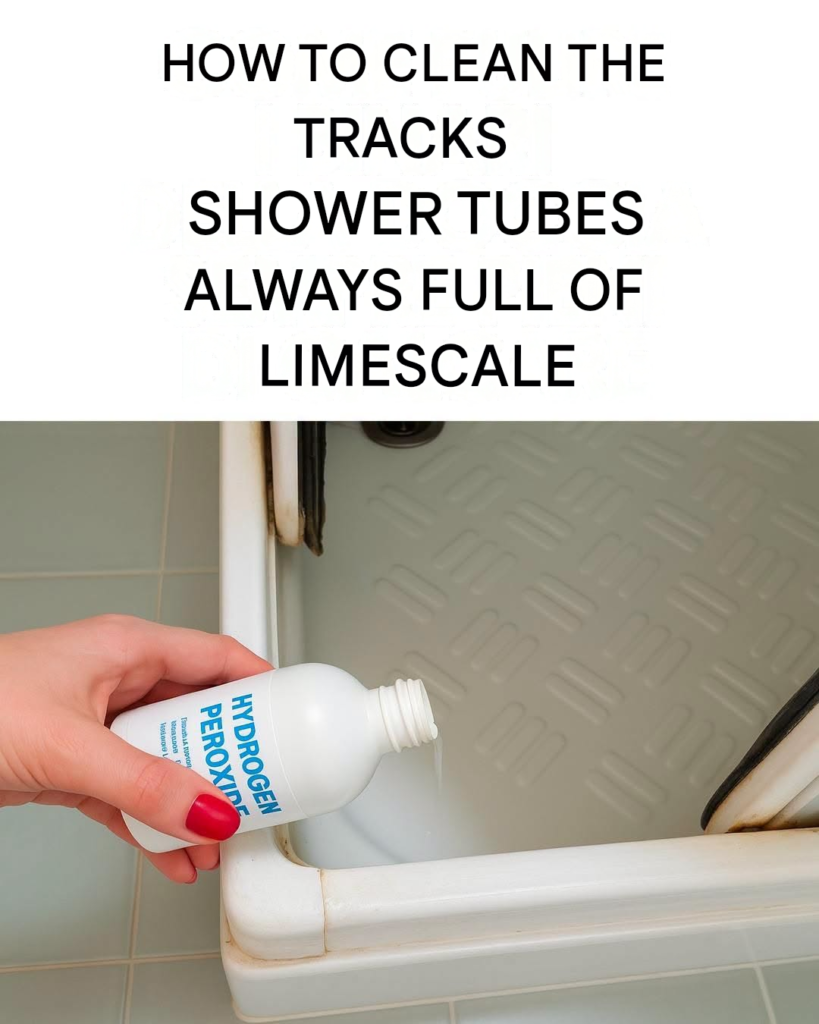
💧 Step 3: Tackle Limescale
Limescale is a mineral deposit commonly associated with hard water.
It often appears as:
White spots
Cloudy glass
Chalky deposits
Crusty buildup around faucets
Dull-looking shower fixtures
Using Diluted White Vinegar
For compatible, non-porous surfaces, diluted white vinegar can help dissolve mineral deposits.
Mix equal parts white vinegar and water in a spray bottle.
Apply it to the affected area and allow it to sit briefly.
Then wipe with a microfiber cloth and rinse thoroughly.
For heavier deposits, repeat the process rather than aggressively scrubbing.
⚠️ Important
Do not use vinegar or other acidic cleaners on surfaces that can be damaged by acids, such as certain natural stones including marble, limestone, and some travertine.
When in doubt, check the manufacturer’s instructions or use a cleaner specifically labeled for the surface.
✨ Step 4: Clean Shower Glass
Shower glass often shows every water spot.
After removing soap and mineral buildup:
Rinse the glass.
Apply a suitable glass or shower cleaner.
Wipe with a microfiber cloth or non-scratch sponge.
Rinse thoroughly.
Use a clean, dry microfiber cloth to remove remaining water.
A squeegee after each shower can make a noticeable difference because it removes water before mineral deposits have time to dry.
🦠 Step 5: Deal With Mold and Mildew
Mold and mildew commonly appear in damp, poorly ventilated areas.
Look around:
Grout lines
Silicone seals
Shower corners
Around the tub
Behind fixtures
Areas that stay wet
For small areas, use a bathroom cleaner specifically labeled for mold or mildew and follow the product instructions carefully.
Give the product the required contact time, then rinse or wipe as directed.
Don’t Mix Cleaning Products
This is extremely important.
Never mix bleach with vinegar, ammonia, acids, or other household cleaners.
Mixing certain cleaning products can produce dangerous gases.
If you want to switch from one cleaner to another, rinse the surface thoroughly first and follow the product labels.
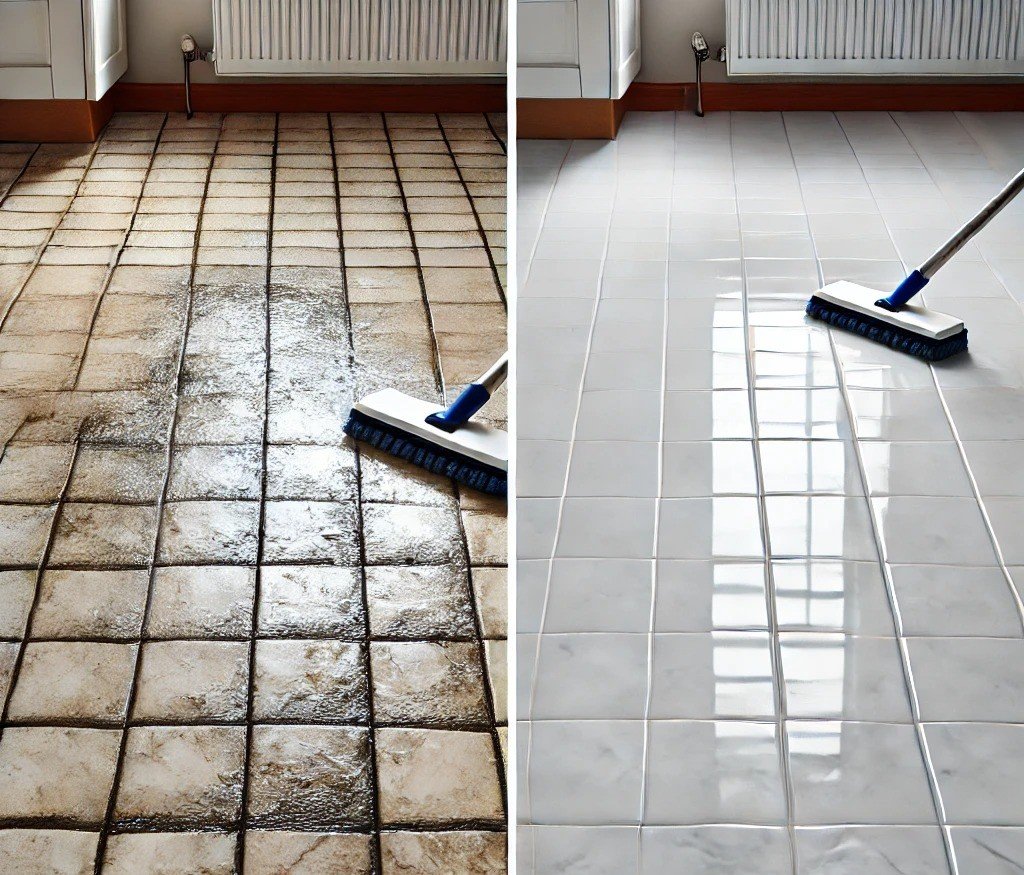
🧽 Step 6: Clean the Grout
Grout can collect soap residue, dirt, and moisture.
For routine cleaning, use a suitable bathroom or grout cleaner with a soft or medium grout brush.
Work gently along the grout lines.
Avoid aggressive scrubbing that could damage old or deteriorating grout.
If grout remains dark or stained after cleaning, the discoloration may not be simple surface dirt.
🚰 Step 7: Don’t Forget the Fixtures
Showerheads, faucets, handles, and drains can accumulate mineral deposits.
Wipe fixtures with a suitable bathroom cleaner or follow the manufacturer’s instructions.
For limescale, use a compatible descaling product.
Avoid abrasive pads that can scratch polished or plated finishes.
🌬️ Step 8: Dry and Ventilate
Cleaning is only part of the solution.
Moisture control is one of the best ways to reduce recurring mold and mildew.
After showering:
Run the bathroom exhaust fan.
Open a window if appropriate.
Leave the shower door or curtain positioned to allow drying.
Use a squeegee on glass.
Wipe standing water from problem areas.
Allowing surfaces to dry can help keep the bathroom cleaner between deep cleans.
🧴 How to Prevent Limescale and Streaks
You don’t need to wait until the shower becomes heavily stained.
A simple maintenance routine can help.
Daily
Use a squeegee on shower glass and walls after showering.
Several Times a Week
Quickly wipe fixtures and frequently touched surfaces.
Weekly
Clean glass, walls, fixtures, and grout as needed.
Monthly
Inspect corners, seals, drains, and less visible areas for buildup or moisture problems.
🚫 Common Shower-Cleaning Mistakes
Using Too Much Product
More cleaner doesn’t necessarily mean better cleaning.
Excess product can leave residue and make surfaces look streaky.
Using Abrasive Scrubbers
Rough pads can scratch glass, metal finishes, acrylic, and other surfaces.
Choose a non-scratch tool appropriate for the material.
Ignoring Ventilation
A spotless shower can quickly develop problems if it stays damp for long periods.
Treating Every Surface the Same
A cleaner that’s safe for ceramic tile may not be appropriate for natural stone, delicate finishes, or specialty glass.
Always check compatibility.
🪨 Be Careful With Natural Stone
If your shower contains marble, limestone, travertine, or another acid-sensitive natural stone, avoid vinegar and acidic limescale removers unless the manufacturer specifically says they’re safe.
Use a cleaner formulated for natural stone instead.
Acidic products can etch or permanently dull some stone surfaces.
🧽 How to Get a Streak-Free Finish
If your shower glass always looks streaky after cleaning, try this routine:
Remove soap and mineral buildup first.
Rinse thoroughly.
Use a clean microfiber cloth.
Wipe from top to bottom.
Dry the surface completely.
Finish with a squeegee.
Using a dirty or overly wet cloth can simply redistribute residue across the glass.
❓ Frequently Asked Questions
How often should I clean my shower?
A quick wipe or squeegee after showers can help prevent buildup. A more thorough cleaning can be done weekly or according to how quickly your shower becomes dirty.
What removes limescale from shower glass?
A suitable limescale remover can dissolve mineral deposits. Diluted white vinegar may also work on compatible non-porous surfaces, but it should not be used on acid-sensitive materials.
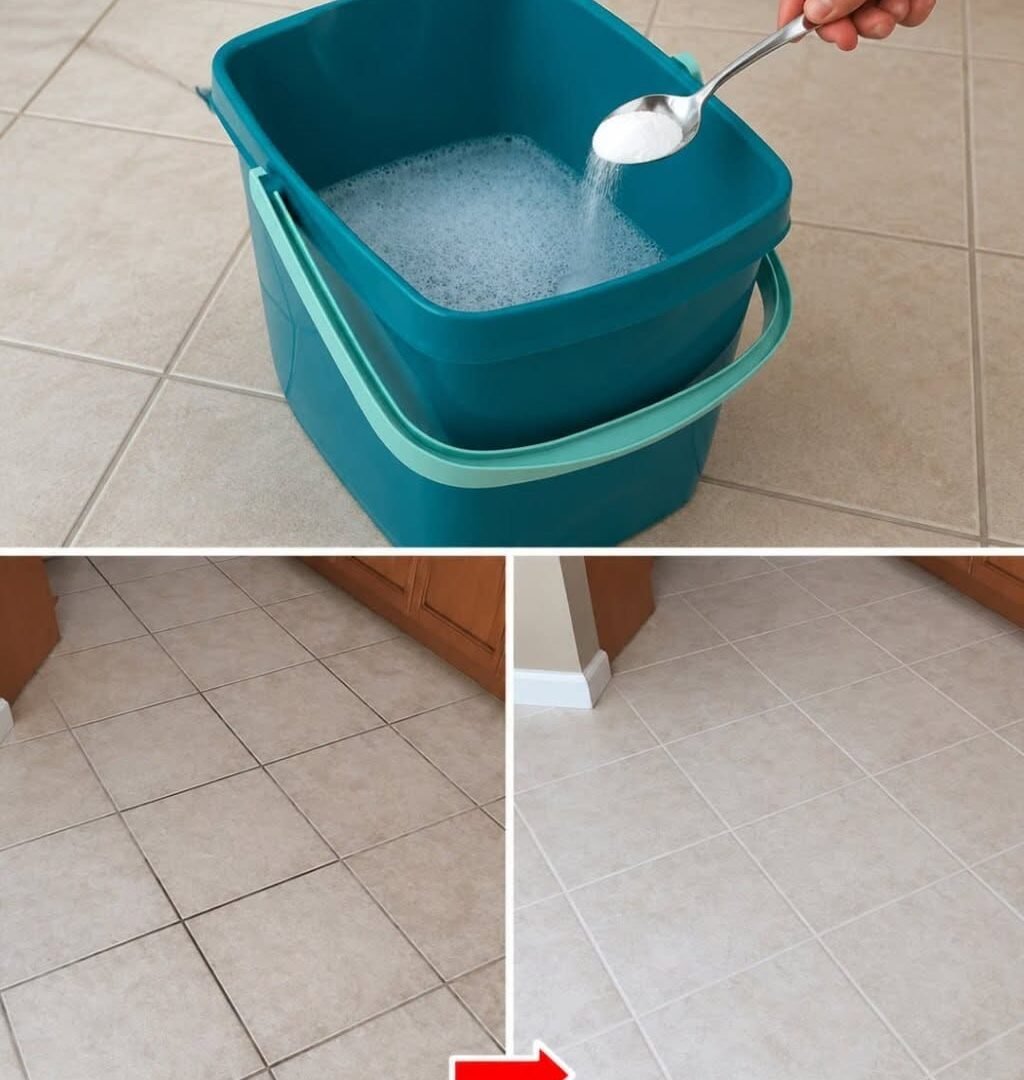
Does baking soda remove limescale?
Baking soda can help with some household grime, but acidic products are generally more appropriate for dissolving mineral scale. Don’t assume baking soda is suitable for every shower surface.
How do I prevent shower glass from becoming cloudy?
Regularly remove water with a squeegee and clean soap and mineral deposits before they build up.
How do I stop mold from returning?
Reduce moisture, improve ventilation, dry wet surfaces, and address leaks or persistent dampness.
Can I mix vinegar and bleach?
No. Never mix vinegar and bleach. Dangerous chlorine-containing gases can be produced.
🏁 Final Thoughts
Cleaning a shower becomes much easier when you tackle each type of buildup separately.
Use the right approach for soap scum, limescale, mold, grout, and water streaks, and always consider the material you’re cleaning.
The most effective long-term strategy is prevention: squeegee the shower, ventilate the bathroom, wipe away standing water, and deal with buildup before it becomes stubborn.
A few minutes of maintenance can save you from a much bigger scrubbing job later. 🚿✨
To provide the best experiences, we use technologies like cookies to store and/or access device information. Consenting to these technologies will allow us to process data such as browsing behavior or unique IDs on this site. Not consenting or withdrawing consent, may adversely affect certain features and functions.
Functional
Always active
The technical storage or access is strictly necessary for the legitimate purpose of enabling the use of a specific service explicitly requested by the subscriber or user, or for the sole purpose of carrying out the transmission of a communication over an electronic communications network.
Preferences
The technical storage or access is necessary for the legitimate purpose of storing preferences that are not requested by the subscriber or user.
Statistics
The technical storage or access that is used exclusively for statistical purposes.The technical storage or access that is used exclusively for anonymous statistical purposes. Without a subpoena, voluntary compliance on the part of your Internet Service Provider, or additional records from a third party, information stored or retrieved for this purpose alone cannot usually be used to identify you.
Marketing
The technical storage or access is required to create user profiles to send advertising, or to track the user on a website or across several websites for similar marketing purposes.