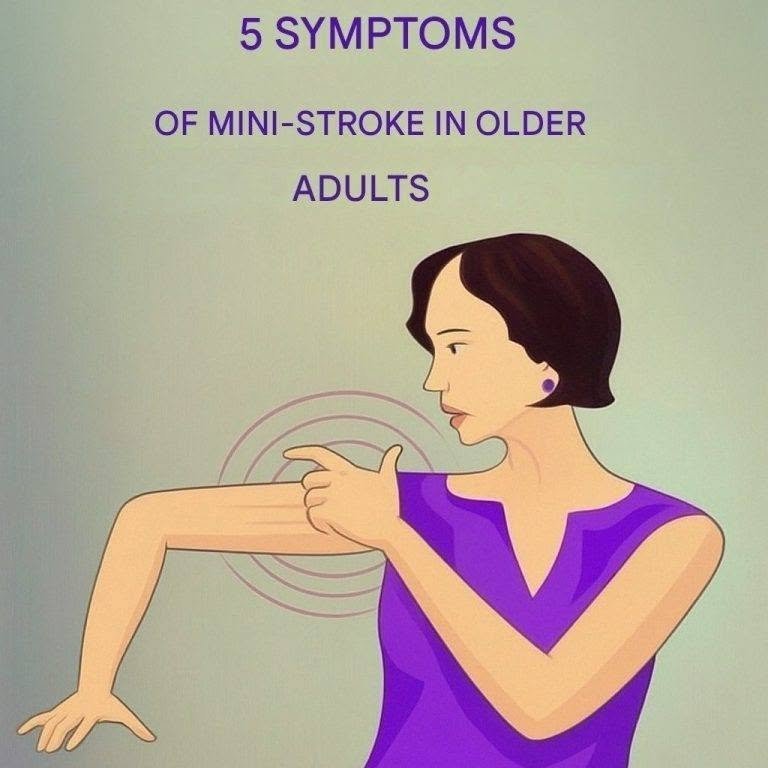
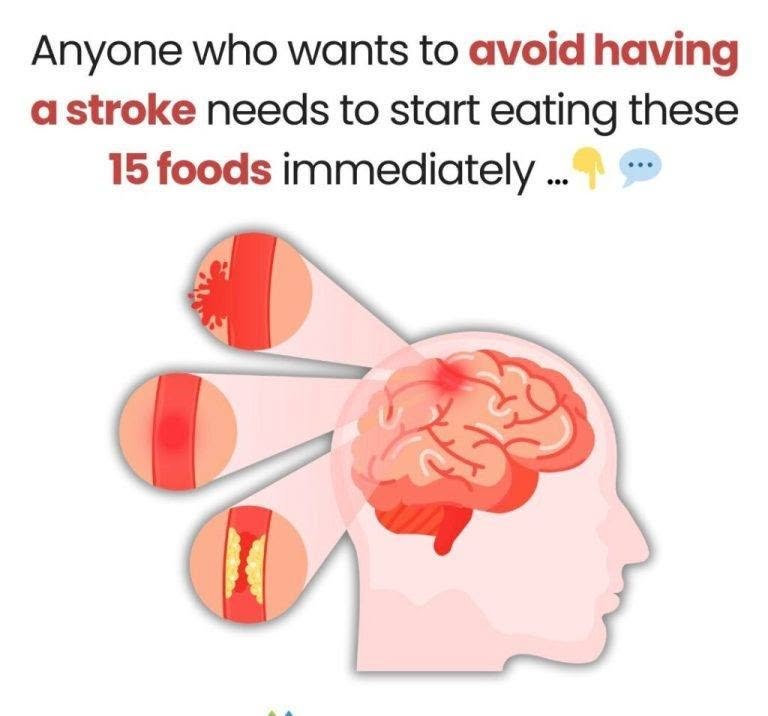
An aneurysm is a weakened area in the wall of a blood vessel that can bulge outward. Some aneurysms cause no noticeable symptoms, while others may cause symptoms depending on their location and size.
Because symptoms can vary, it is important to know when sudden or unusual symptoms need urgent medical attention.
What Is an Aneurysm?
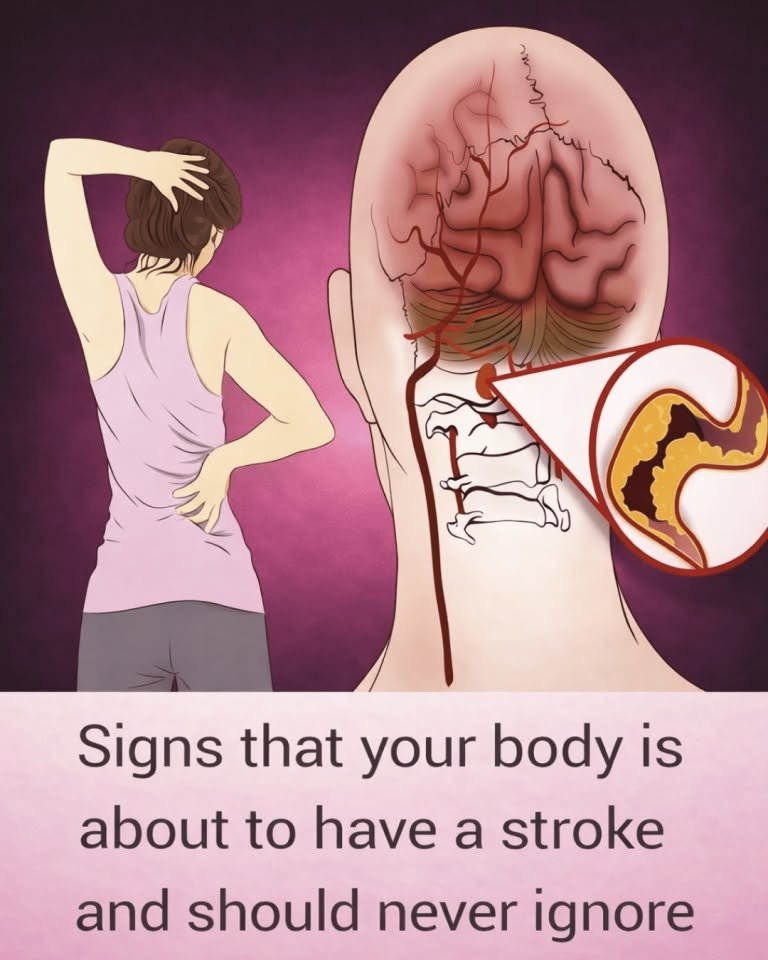
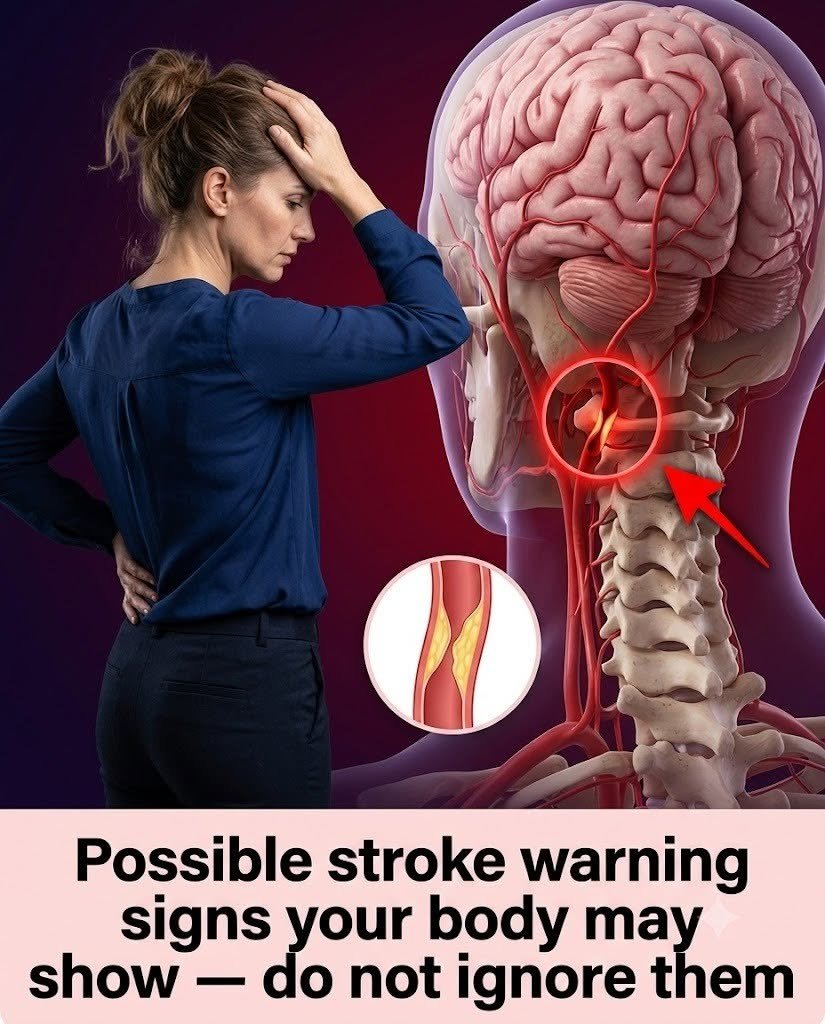
Aneurysms can develop in different parts of the body, including the brain and the aorta, the body’s main artery.
Many aneurysms are discovered during medical tests performed for other reasons. In some cases, an aneurysm may grow without causing obvious symptoms.
Possible Warning Signs
The signs depend on where the aneurysm is located. Potential symptoms can include:
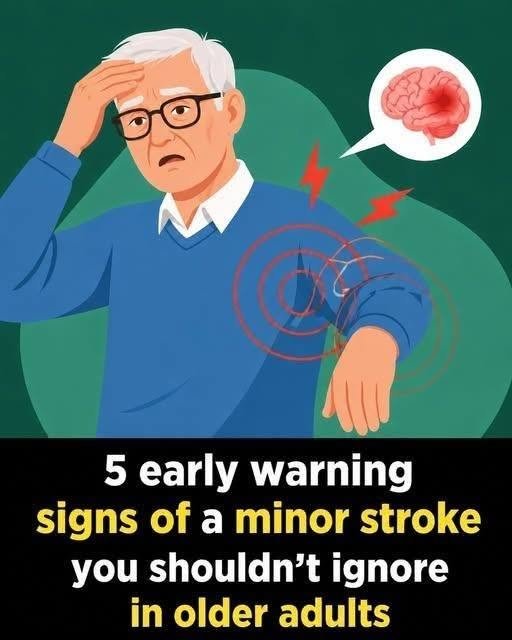
A sudden, unusually severe headache
Sudden changes in vision
Difficulty speaking or understanding speech
Sudden weakness or numbness
Severe, sudden pain in the chest, back, or abdomen
Fainting or sudden confusion
New difficulty walking or maintaining balance
These symptoms can also be caused by other serious medical conditions, so they should not be ignored.
⚠️ When to Seek Emergency Help
Seek emergency medical care immediately if you or someone else develops a sudden severe headache, sudden weakness, trouble speaking, fainting, severe chest or back pain, or other sudden neurological symptoms.
Do not wait to see if severe symptoms improve on their own.
Risk Factors
Some factors associated with aneurysms include:
Older age
Smoking
High blood pressure
Family history of certain aneurysms
Certain inherited conditions
Having a risk factor does not mean that someone will definitely develop an aneurysm.
Can an Aneurysm Be Prevented?
Not all aneurysms can be prevented, but managing certain health factors may help reduce risk. This can include avoiding tobacco, managing blood pressure with professional guidance, staying physically active, and following medical advice for existing health conditions.
The Bottom Line
Many aneurysms do not cause symptoms until they become serious, which is why sudden and severe symptoms should always be taken seriously.
If you experience symptoms that could indicate a medical emergency, seek emergency care immediately. This article provides general information and is not a substitute for professional medical advice.
To provide the best experiences, we use technologies like cookies to store and/or access device information. Consenting to these technologies will allow us to process data such as browsing behavior or unique IDs on this site. Not consenting or withdrawing consent, may adversely affect certain features and functions.
Functional
Always active
The technical storage or access is strictly necessary for the legitimate purpose of enabling the use of a specific service explicitly requested by the subscriber or user, or for the sole purpose of carrying out the transmission of a communication over an electronic communications network.
Preferences
The technical storage or access is necessary for the legitimate purpose of storing preferences that are not requested by the subscriber or user.
Statistics
The technical storage or access that is used exclusively for statistical purposes.The technical storage or access that is used exclusively for anonymous statistical purposes. Without a subpoena, voluntary compliance on the part of your Internet Service Provider, or additional records from a third party, information stored or retrieved for this purpose alone cannot usually be used to identify you.
Marketing
The technical storage or access is required to create user profiles to send advertising, or to track the user on a website or across several websites for similar marketing purposes.