Weak or Brittle Nails: What Your Body Might Be Trying to Tell You
Your nails can change for many everyday reasons, from repeated exposure to water and cleaning products to aging and normal wear and tear. Sometimes, however, persistent nail changes can be associated with an underlying health issue.
Weak or brittle nails do not automatically mean you have a vitamin deficiency or a serious illness. Looking at the pattern of the nail changes—and considering other symptoms—is much more useful.
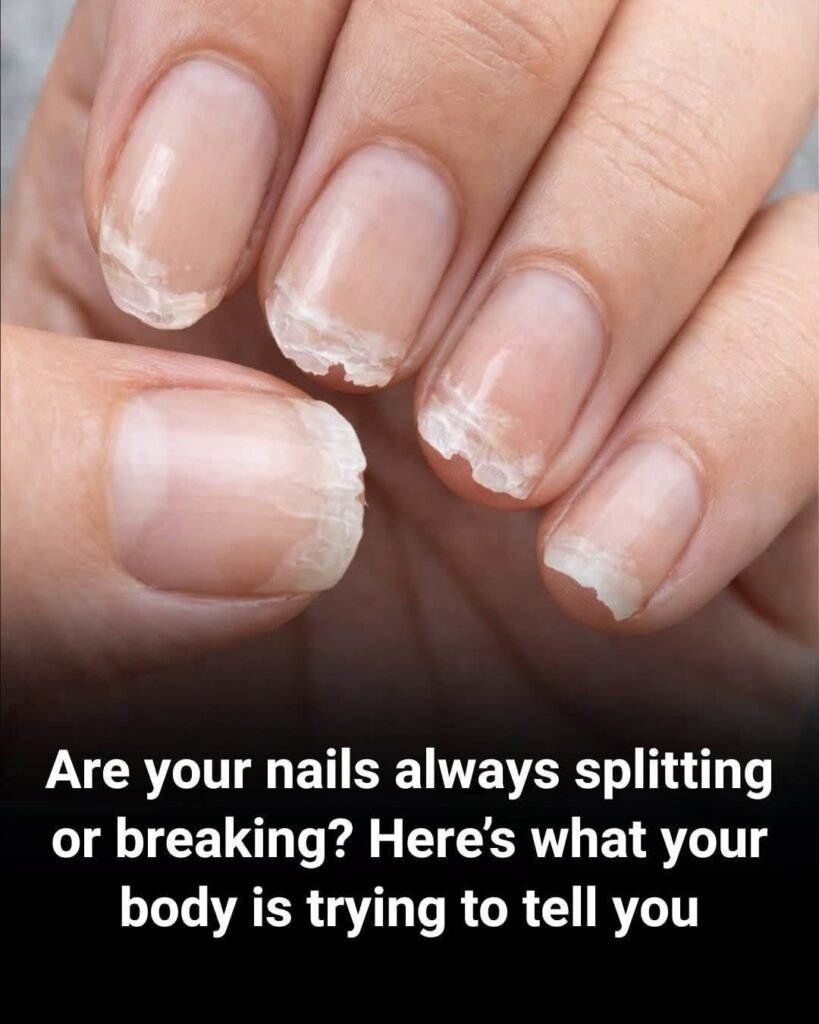
💅 What Are Brittle Nails?
Brittle nails may:
Split easily
Peel in layers
Crack or break
Feel unusually thin
Develop rough or uneven surfaces
A common condition called onychoshizia causes horizontal splitting and peeling of the nail.
1. Frequent Water Exposure
Repeatedly wetting and drying your hands can weaken nails over time.
People who frequently wash dishes, clean, swim, or wash their hands may notice more splitting.
Wearing protective gloves during household cleaning can help reduce exposure.
2. Harsh Cleaning Products
Detergents and other household chemicals can dry the skin and nails.
If you regularly use cleaning products, protective gloves can help limit contact.
3. Nail Polish and Removers
Frequent manicures, nail polish removal, or exposure to certain nail products can contribute to dryness and brittleness.
Giving your nails occasional breaks from cosmetic treatments may help if you notice worsening dryness.
4. Aging
Nails can naturally become thinner or more brittle with age.
This doesn’t necessarily indicate a disease, but sudden or significant changes should still be evaluated.
5. Iron Deficiency
Iron deficiency can sometimes be associated with nail changes, including nails that become thin or develop an unusual shape.
However, brittle nails alone cannot diagnose iron deficiency.
If you also experience persistent fatigue, weakness, dizziness, or other concerning symptoms, speak with a healthcare professional.
6. Thyroid Problems
Some thyroid disorders can affect the skin, hair, and nails.
If nail changes occur alongside unexplained changes in weight, energy, temperature sensitivity, or heart rate, medical evaluation may be appropriate.
7. Fungal Nail Infection
A fungal infection can cause nails to become:
Thickened
Discolored
Brittle
Crumbly
Separated from the nail bed
Treatment depends on the type and severity of the infection.
8. Skin Conditions
Conditions such as psoriasis and eczema can affect the nails as well as the skin.
Small pits, discoloration, thickening, or separation from the nail bed may occur depending on the condition.
9. Repeated Nail Trauma
Picking at nails, biting them, or repeatedly hitting or pressing them can cause damage.
Even frequent use of tools or activities that place pressure on the fingertips can contribute to nail problems.
10. Nutritional Problems
Nails require adequate nutrition to grow normally.
A varied diet containing sufficient protein, iron, zinc, and other essential nutrients supports overall health.
However, taking supplements isn’t automatically the answer. If you suspect a deficiency, a healthcare professional can determine whether testing is appropriate.
🥗 Foods That Support Healthy Nails
Instead of focusing on one “miracle” food, aim for a varied diet.
Good options include:
Eggs
Fish
Beans and lentils
Nuts and seeds
Leafy green vegetables
Whole grains
Dairy or fortified alternatives
Fruits and vegetables
These foods provide a range of nutrients involved in normal tissue growth and maintenance.
💧 Simple Ways to Protect Brittle Nails
Keep Nails Reasonably Short
Shorter nails are less likely to catch on objects and break.
Moisturize Regularly
Applying hand cream or a moisturizing product to the nails and surrounding skin can help reduce dryness.
Wear Gloves
Use protective gloves when washing dishes or working with household cleaning products.
Don’t Pick or Bite
Picking at peeling nails can create additional damage.
Be Gentle With Manicures
Avoid aggressive filing and excessive removal of nail products.
⚠️ When Should You See a Healthcare Professional?
Consider getting your nails evaluated if:
Changes appear suddenly
Only one or two nails are affected without an obvious injury
Nails become significantly discolored
Nails become thick or painful
The nail separates from the skin underneath
There is swelling, redness, or drainage
Changes persist despite protecting your nails
A healthcare professional can determine whether the cause is environmental, cosmetic, infectious, nutritional, or related to another condition.
The Bottom Line
Brittle nails are usually not a reason to panic. Everyday factors such as water, chemicals, nail products, and repeated trauma are common causes.
Persistent or unusual changes, however, deserve attention—especially when they occur alongside other symptoms.
Rather than assuming your nails are revealing a specific vitamin deficiency or disease, consider the bigger picture and seek professional advice when necessary.
To provide the best experiences, we use technologies like cookies to store and/or access device information. Consenting to these technologies will allow us to process data such as browsing behavior or unique IDs on this site. Not consenting or withdrawing consent, may adversely affect certain features and functions.
Functional
Always active
The technical storage or access is strictly necessary for the legitimate purpose of enabling the use of a specific service explicitly requested by the subscriber or user, or for the sole purpose of carrying out the transmission of a communication over an electronic communications network.
Preferences
The technical storage or access is necessary for the legitimate purpose of storing preferences that are not requested by the subscriber or user.
Statistics
The technical storage or access that is used exclusively for statistical purposes.The technical storage or access that is used exclusively for anonymous statistical purposes. Without a subpoena, voluntary compliance on the part of your Internet Service Provider, or additional records from a third party, information stored or retrieved for this purpose alone cannot usually be used to identify you.
Marketing
The technical storage or access is required to create user profiles to send advertising, or to track the user on a website or across several websites for similar marketing purposes.