8 Warning Signs That May Signal an Increased Risk of Stroke and 9 Tips to Help Prevent It
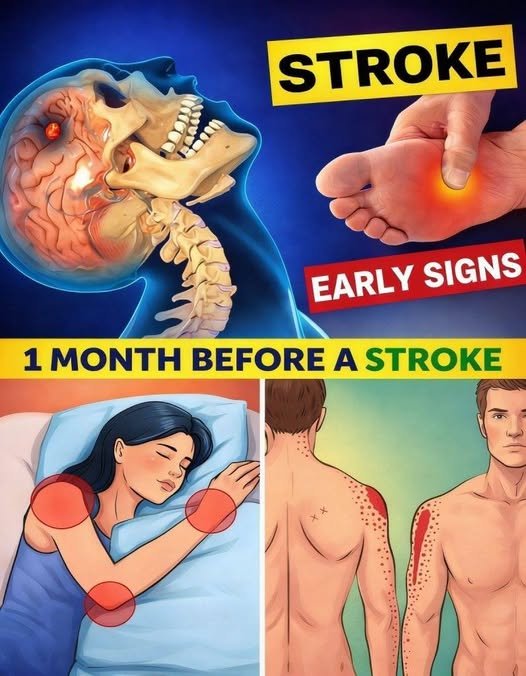
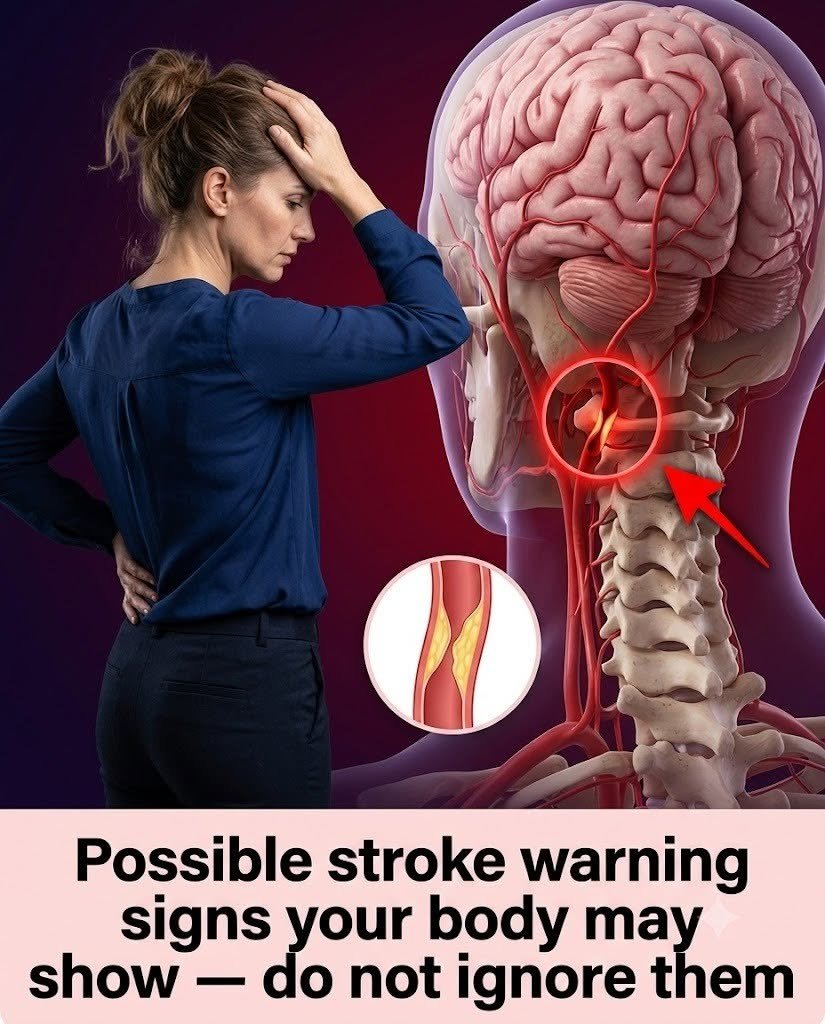
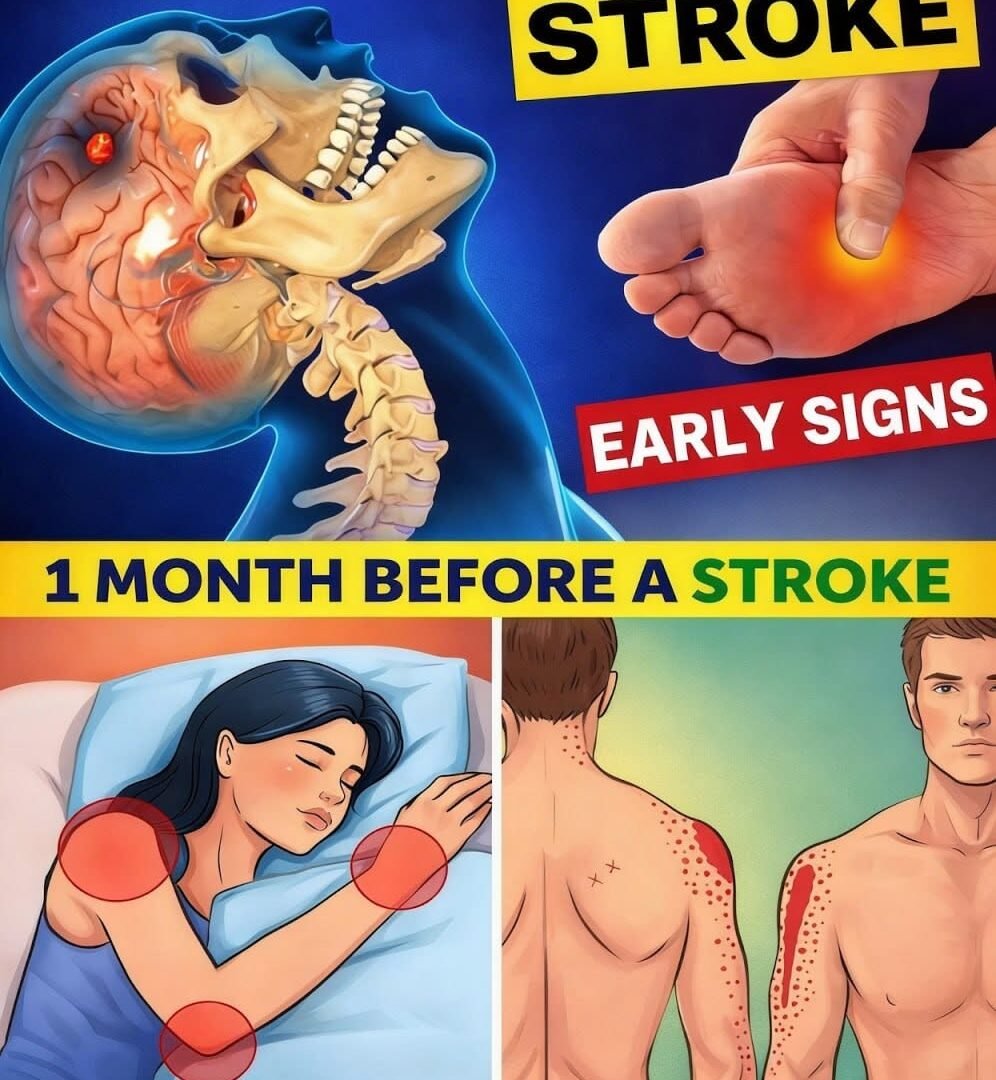
A stroke can happen suddenly, but some people may experience warning symptoms or temporary neurological episodes beforehand. However, there is no reliable list of symptoms that can predict a stroke exactly one month in advance.
Sudden symptoms such as weakness, numbness, trouble speaking, vision changes, or severe dizziness require immediate emergency medical attention—even if they disappear.
1. A Transient Ischemic Attack (TIA)
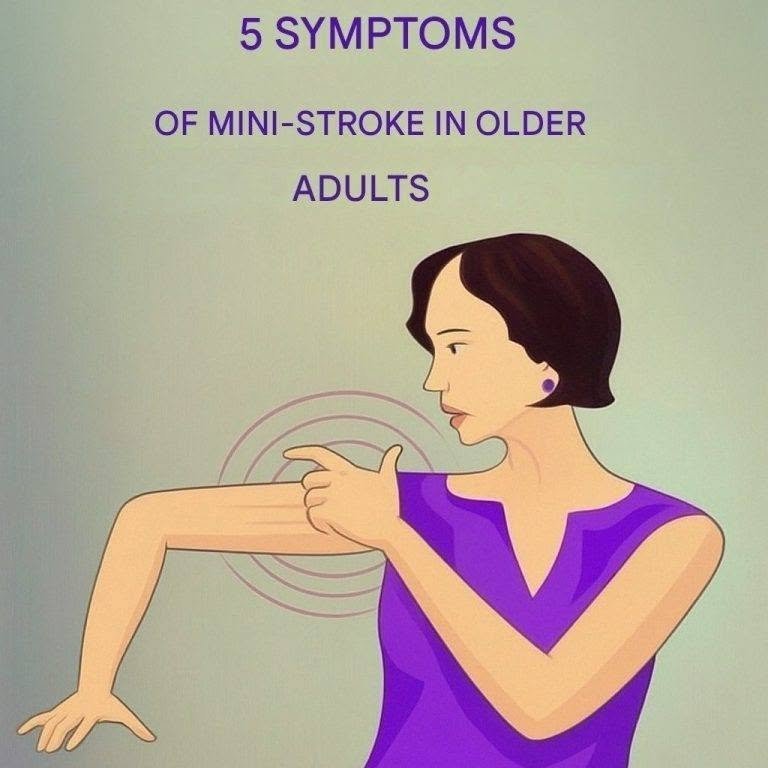
A TIA, sometimes called a “mini-stroke,” can cause temporary stroke-like symptoms. It is a serious warning sign and requires urgent medical evaluation.
2. Sudden Weakness on One Side
Temporary or sudden weakness in the face, arm, or leg—especially on one side—should never be ignored.
3. Sudden Numbness
Unexpected numbness affecting one side of the body may be a warning sign of a stroke or TIA.
4. Temporary Speech Problems
Sudden slurred speech, difficulty speaking, or trouble understanding words can be serious neurological symptoms.
5. Sudden Vision Changes
Blurred vision, loss of vision, or other sudden visual changes may require emergency assessment.
6. Sudden Dizziness or Loss of Balance
Unexpected dizziness, difficulty walking, or loss of coordination can occur with a stroke and should be taken seriously, especially when combined with other symptoms.
7. Sudden Severe Headache
A sudden and unusually severe headache may be associated with a serious medical condition and needs urgent evaluation, particularly when accompanied by neurological symptoms.
8. Sudden Confusion
Unexpected confusion or difficulty understanding simple information can be another serious warning sign.
9 Tips That May Help Reduce Stroke Risk
While not every stroke can be prevented, healthy habits and proper management of medical conditions can help reduce risk.
1. Monitor and Manage Blood Pressure
High blood pressure is a major risk factor for stroke. Follow your healthcare professional’s advice about monitoring and treatment.
2. Don’t Smoke
Avoiding tobacco can help reduce stroke and cardiovascular risk.
3. Stay Physically Active
Regular physical activity can support overall heart and blood vessel health. Choose activities appropriate for your age and fitness level.
4. Eat a Balanced Diet
Focus on vegetables, fruits, whole grains, and other nutrient-rich foods while limiting excessive salt and highly processed foods.
5. Manage Diabetes
If you have diabetes, following your treatment plan can help manage your overall cardiovascular risk.
6. Manage Cholesterol
Follow medical advice regarding cholesterol levels, medications, and lifestyle changes.
7. Maintain a Healthy Lifestyle
Adequate sleep, regular movement, and a balanced diet can support long-term health.
8. Limit Alcohol
If you drink alcohol, discuss appropriate limits with a healthcare professional, as excessive alcohol consumption can increase health risks.
9. Attend Regular Health Checkups
Regular checkups can help identify and manage risk factors such as high blood pressure, diabetes, and certain heart conditions.
Remember the FAST Warning Signs
F — Face: Is one side of the face drooping?
A — Arm: Is one arm weak or numb?
S — Speech: Is speech slurred or difficult to understand?
T — Time: Time is critical. Call emergency services immediately if these signs appear.
Frequently Asked Questions
Can a stroke really be predicted one month before it happens?
No. A stroke cannot reliably be predicted exactly one month in advance. However, a TIA or other warning symptoms may occur before a stroke and require urgent medical attention.
Can stroke symptoms disappear?
Yes. Temporary symptoms can still be serious and should be treated as an emergency.
What is the biggest risk factor for stroke?
High blood pressure is one of the most important risk factors, but smoking, diabetes, high cholesterol, certain heart conditions, and other factors can also increase risk.
What should I do if I notice stroke symptoms?
Call your local emergency number immediately. Do not wait to see if symptoms improve.
Final Thoughts
Don’t rely on claims that a stroke can always be predicted weeks in advance. The most important thing is recognizing sudden warning symptoms, managing known risk factors, and seeking emergency medical care immediately when stroke-like symptoms appear.
SEO Title: 8 Stroke Warning Signs to Know and 9 Ways to Help Reduce Your Risk
Meta Description: Learn 8 serious warning signs linked to stroke and TIA, plus 9 practical lifestyle and health tips that may help reduce stroke risk.
To provide the best experiences, we use technologies like cookies to store and/or access device information. Consenting to these technologies will allow us to process data such as browsing behavior or unique IDs on this site. Not consenting or withdrawing consent, may adversely affect certain features and functions.
Functional
Always active
The technical storage or access is strictly necessary for the legitimate purpose of enabling the use of a specific service explicitly requested by the subscriber or user, or for the sole purpose of carrying out the transmission of a communication over an electronic communications network.
Preferences
The technical storage or access is necessary for the legitimate purpose of storing preferences that are not requested by the subscriber or user.
Statistics
The technical storage or access that is used exclusively for statistical purposes.The technical storage or access that is used exclusively for anonymous statistical purposes. Without a subpoena, voluntary compliance on the part of your Internet Service Provider, or additional records from a third party, information stored or retrieved for this purpose alone cannot usually be used to identify you.
Marketing
The technical storage or access is required to create user profiles to send advertising, or to track the user on a website or across several websites for similar marketing purposes.