“Never Mix B12 With This”? Separating Fact from Viral Fear-Mongering
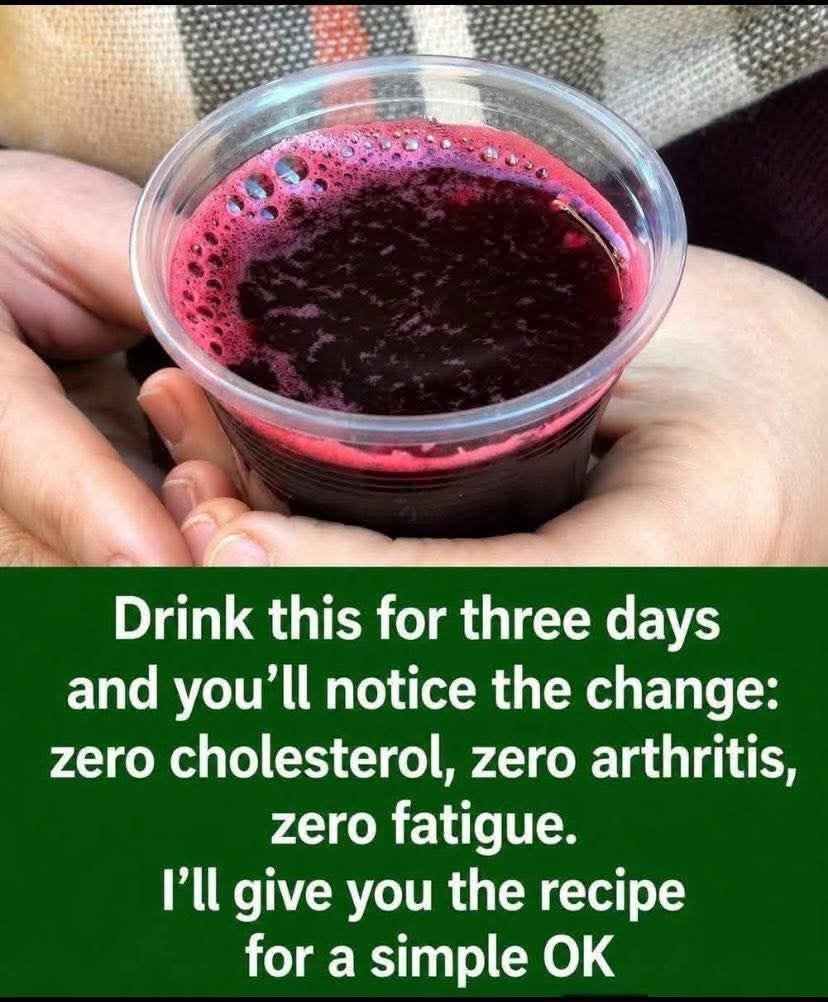
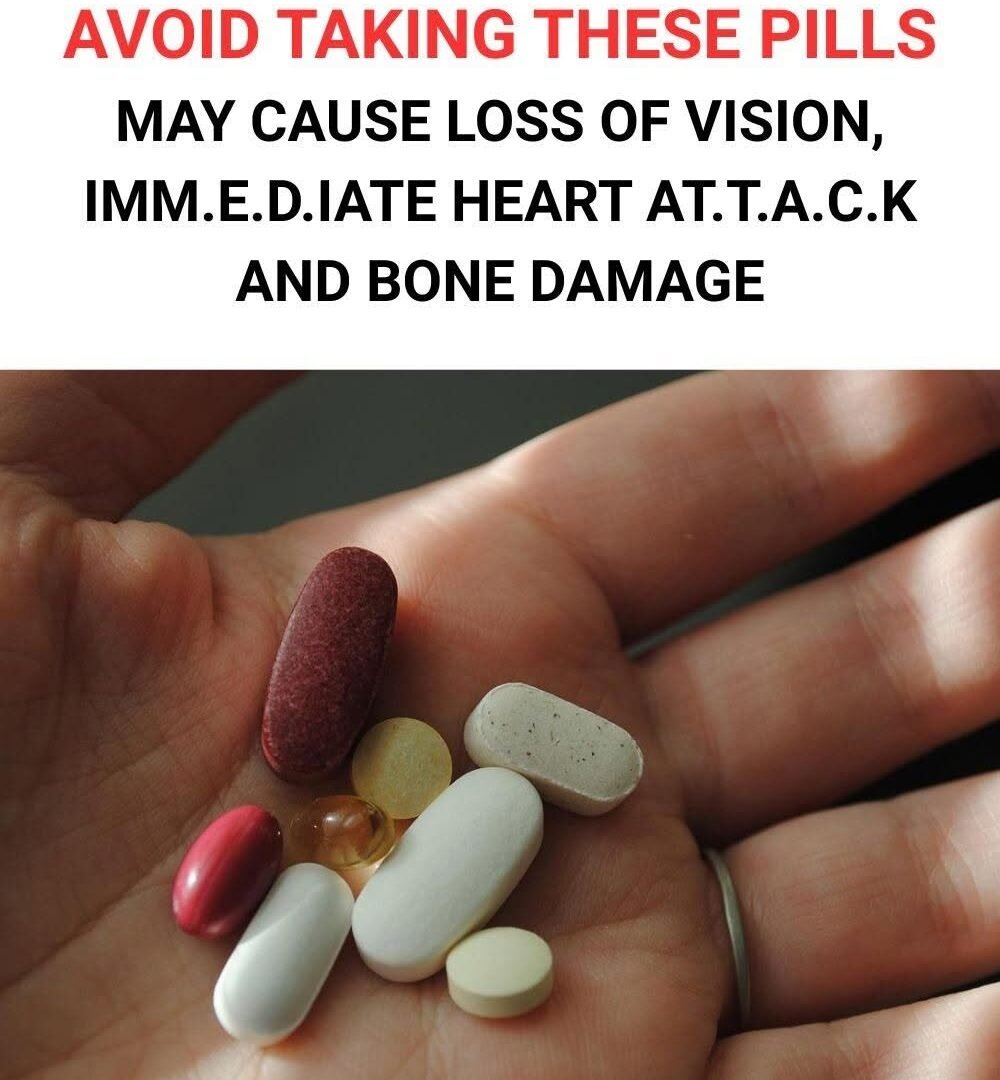
Another alarming health graphic is making the rounds on social media, featuring a red banner that reads “DANGEROUS CONSEQUENCES! NEVER MIX B12 WITH THIS!” accompanied by scattered pill bottles and an older man clutching his head in distress. It’s designed to trigger fear, but does it hold up to scientific scrutiny?
The short answer is: Vitamin B12 is not dangerous to mix with most medications. It is a water-soluble vitamin, and your body absorbs only a small percentage of what you consume. However, there is a kernel of truth buried beneath the clickbait. Certain medications can interfere with your body’s ability to absorb B12 from food and supplements, potentially leading to a deficiency over time if you don’t monitor your levels. Here’s what the science actually says.
The Real Issue: Absorption, Not Toxicity
The viral post implies that combining B12 with certain drugs causes dangerous consequences directly. In reality, the concern is the opposite: certain medications can reduce your body’s ability to absorb B12, not that B12 makes the medication dangerous.
Vitamin B12 is essential for keeping your blood and nerve cells healthy and for making DNA. Your body absorbs B12 from food through a complex two-step process that requires stomach acid and a protein called intrinsic factor. When medications interfere with this process, your B12 levels can drop over time.
Medications That Can Interfere with B12
1. Metformin (Diabetes Medication)
Metformin is one of the most commonly prescribed medications for type 2 diabetes, and it is well-documented to reduce vitamin B12 absorption. The NIH Office of Dietary Supplements states that metformin might reduce vitamin B12 absorption and lower blood levels of the vitamin.
A major 2025 study analyzing over 29 million adverse event reports found that patients receiving both metformin and proton pump inhibitors together, particularly the elderly, may face a higher risk of serious vitamin B12 deficiency-related complications. The researchers noted that patients on this combination experienced significantly higher rates of hospitalization and life-threatening events compared to those on PPIs alone.
What this means for you: If you take metformin, especially long-term, it’s wise to have your B12 levels checked periodically. Supplementation may be recommended, but this is a conversation to have with your doctor.
2. Proton Pump Inhibitors (PPIs) and H2 Blockers
Medications that reduce stomach acid—such as omeprazole (Prilosec), pantoprazole (Protonix), and cimetidine (Tagamet)—can interfere with B12 absorption because stomach acid is necessary to separate B12 from the proteins in food.
The Mayo Clinic notes that using omeprazole with cyanocobalamin (a form of B12) may require dose adjustments, and some studies have shown that taking acid-reducing medications daily for a year or more increases the risk of B12 deficiency.
3. Certain Antibiotics
Chloramphenicol is a specific antibiotic that should be avoided with B12 supplements because it can counteract vitamin B12’s ability to support red blood cell production. Other antibiotics, including aminoglycosides, can also reduce B12 absorption from the gut.
4. Other Medications That Reduce B12 Absorption
According to the Cleveland Clinic and other medical sources, the following medications can also interfere with B12 absorption:
Colchicine (used for gout)
Aminosalicylic acid (used for inflammatory bowel disease)
Medications that suppress bone marrow, such as chemotherapy drugs
Phenytoin, phenobarbital, and primidone (anti-seizure medications)
Cholestyramine (used to lower cholesterol)
Oral contraceptives
What the Viral Image Got Wrong
The graphic implies that B12 is inherently dangerous when combined with other substances. This is misleading for several reasons:
B12 is not toxic. The NIH notes that even high doses of B12 (500–1,000 mcg) are considered safe because your body absorbs only a small percentage.
The risk is deficiency, not danger. The concern with these interactions is that your B12 levels may drop over time, not that B12 causes harm to the medication.
The scary imagery is misleading. The photo of a distressed older man and scattered pills is designed to evoke fear, but it doesn’t reflect the actual science. Millions of people safely take B12 supplements alongside other medications every day.
Who Should Be Concerned About B12 Interactions?
You should be particularly mindful of B12 interactions if you:
Take metformin for diabetes, especially in combination with a PPI
Take long-term acid-reducing medications (PPIs or H2 blockers)
Are over 60, as B12 absorption naturally declines with age
Follow a vegetarian or vegan diet, which may already be low in B12
Have gastrointestinal conditions like Crohn’s disease or celiac disease that affect absorption
Have had weight loss surgery
What to Do If You Take These Medications
If you’re taking any of the medications listed above, don’t panic—and don’t stop taking your prescribed medication without talking to your doctor first. Instead:
Get your B12 levels tested. A simple blood test can determine if you’re deficient.
Talk to your doctor about supplementation. If your levels are low, your healthcare provider may recommend oral supplements, sublingual B12, or injections, depending on the severity of the deficiency and the cause.
Monitor regularly. If you take metformin or long-term PPIs, periodic B12 testing is a reasonable precaution.
Don’t self-diagnose. The symptoms of B12 deficiency—fatigue, tingling in the hands and feet, memory problems—can overlap with many other conditions.
The Bottom Line
The viral claim that you should “never mix B12 with this” is an oversimplification designed to generate clicks. The real story is more nuanced: certain medications—particularly metformin, long-term acid reducers, and specific antibiotics—can reduce your body’s ability to absorb B12, potentially leading to a deficiency over time.
If you take any of these medications, the smart move isn’t to avoid B12—it’s to monitor your levels and work with your doctor. B12 is a vital nutrient, and ensuring you have enough of it is important for your nerve health and energy levels. Don’t let a scary social media graphic dictate your health decisions.
Disclaimer: This article is for informational purposes only and is not a substitute for professional medical advice, diagnosis, or treatment. Always seek the advice of your physician or another qualified health provider with any questions you may have regarding a medical condition or medication.
To provide the best experiences, we use technologies like cookies to store and/or access device information. Consenting to these technologies will allow us to process data such as browsing behavior or unique IDs on this site. Not consenting or withdrawing consent, may adversely affect certain features and functions.
Functional
Always active
The technical storage or access is strictly necessary for the legitimate purpose of enabling the use of a specific service explicitly requested by the subscriber or user, or for the sole purpose of carrying out the transmission of a communication over an electronic communications network.
Preferences
The technical storage or access is necessary for the legitimate purpose of storing preferences that are not requested by the subscriber or user.
Statistics
The technical storage or access that is used exclusively for statistical purposes.The technical storage or access that is used exclusively for anonymous statistical purposes. Without a subpoena, voluntary compliance on the part of your Internet Service Provider, or additional records from a third party, information stored or retrieved for this purpose alone cannot usually be used to identify you.
Marketing
The technical storage or access is required to create user profiles to send advertising, or to track the user on a website or across several websites for similar marketing purposes.