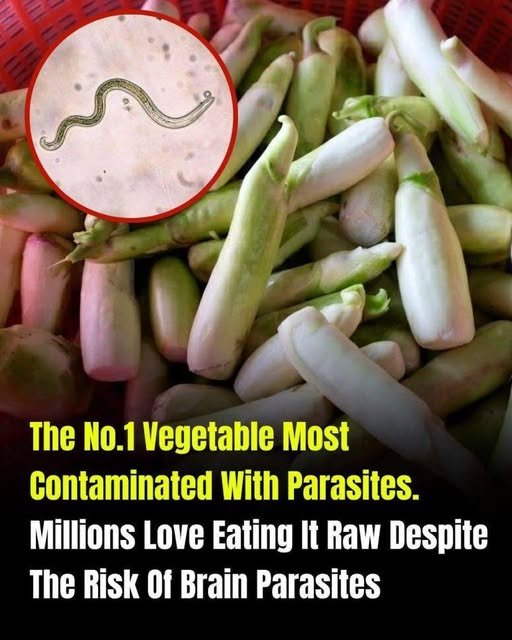
The Vegetable You Should Always Wash Carefully — Experts Warn About Hidden Contamination Risks
Fresh vegetables are an important part of a balanced diet, but even produce that looks perfectly clean can sometimes carry harmful microorganisms.
Leafy greens and other vegetables eaten raw deserve particular attention because they may come into contact with contaminated soil, water, animals, equipment, or hands during growing, harvesting, transportation, and preparation.
That doesn’t mean you should stop eating vegetables. Instead, following a few simple food-safety habits can help reduce unnecessary risks.
Why Can Vegetables Become Contaminated?
Fresh produce passes through many stages before reaching your kitchen.
Contamination can occur through:
Contaminated irrigation water
Soil and environmental exposure
Contact with animals
Unclean harvesting equipment
Food-processing surfaces
Improper handling
Cross-contamination in the kitchen
Some harmful microorganisms cannot be seen, smelled, or tasted, which is why proper food handling is important.
Why Leafy Greens Deserve Extra Attention
Lettuce, spinach, kale, and other leafy vegetables are frequently eaten raw.
Unlike foods that are thoroughly cooked, raw salads don’t have a cooking step that can reduce many microorganisms.
The FDA and CDC have investigated outbreaks involving fresh produce, including leafy greens and illnesses caused by parasites such as Cyclospora.
Does Washing Vegetables Remove Everything?
Washing fresh produce under clean running water can help remove dirt and some microorganisms from the surface.
However, washing does not guarantee that all harmful microorganisms will be eliminated.
For this reason, proper storage, hand hygiene, preventing cross-contamination, and cooking appropriate vegetables are also important parts of food safety.
How to Wash Fresh Vegetables Properly
1. Wash Your Hands
Before preparing vegetables, wash your hands thoroughly with soap and water.
Clean hands help prevent microorganisms from being transferred to food.
2. Rinse Under Running Water
Place the vegetables under clean running water.
For firm produce, gently rub the surface with clean hands or a clean produce brush when appropriate.
3. Remove Damaged Portions
Cut away bruised, damaged, or spoiled areas before eating.
For leafy vegetables, remove outer leaves when appropriate.
4. Keep Your Kitchen Clean
Wash cutting boards, knives, countertops, and utensils after preparing food.
This is especially important when the same kitchen surfaces are used for raw meat or seafood.
5. Keep Produce Separate
Keep fresh vegetables away from raw meat, poultry, seafood, and their juices.
Cross-contamination can occur when bacteria or other microorganisms move from one food or surface to another.
Should You Wash Vegetables With Soap?
No.
The FDA advises consumers not to wash fruits or vegetables with soap, detergent, or commercial produce washes.
Running water and appropriate handling are recommended instead.
What About Pre-Washed Vegetables?
If a package says the produce is washed or ready to eat, follow the instructions on the packaging.
If you handle it again, make sure your hands, utensils, cutting boards, and preparation surfaces are clean.
Avoid contaminating ready-to-eat produce with surfaces that have contacted raw foods.
Should You Stop Eating Raw Vegetables?
No.
Vegetables provide important nutrients and can be an excellent part of a healthy eating pattern.
The goal isn’t to avoid fresh produce. It’s to handle it properly and reduce preventable food-safety risks.
People at higher risk of serious foodborne illness should follow appropriate food-safety guidance from their healthcare professional.
A Simple Kitchen Routine to Remember
Before eating fresh vegetables:
Wash your hands → rinse produce → remove damaged portions → use clean utensils → prevent cross-contamination → refrigerate appropriately.
These simple steps can make food preparation safer without giving up the nutritional benefits of fresh vegetables.
Final Thoughts
There isn’t one vegetable that is always the “most contaminated.” Risk varies depending on the food, growing conditions, handling, storage, and preparation.
However, vegetables that are eaten raw—especially leafy greens—deserve careful handling.
A clean-looking vegetable isn’t necessarily free from microorganisms, but good food-safety habits can significantly reduce avoidable risks.
Wash your hands, rinse your produce, keep your kitchen surfaces clean, and handle fresh vegetables carefully.
To provide the best experiences, we use technologies like cookies to store and/or access device information. Consenting to these technologies will allow us to process data such as browsing behavior or unique IDs on this site. Not consenting or withdrawing consent, may adversely affect certain features and functions.
Functional
Always active
The technical storage or access is strictly necessary for the legitimate purpose of enabling the use of a specific service explicitly requested by the subscriber or user, or for the sole purpose of carrying out the transmission of a communication over an electronic communications network.
Preferences
The technical storage or access is necessary for the legitimate purpose of storing preferences that are not requested by the subscriber or user.
Statistics
The technical storage or access that is used exclusively for statistical purposes.The technical storage or access that is used exclusively for anonymous statistical purposes. Without a subpoena, voluntary compliance on the part of your Internet Service Provider, or additional records from a third party, information stored or retrieved for this purpose alone cannot usually be used to identify you.
Marketing
The technical storage or access is required to create user profiles to send advertising, or to track the user on a website or across several websites for similar marketing purposes.