12 Smart Ways to Use White Vinegar Around the Home
Meta Description: Discover practical ways to use white vinegar for everyday household cleaning, from floors and faucets to microwaves, windows, and laundry—plus important safety tips.
White vinegar is a simple household staple that can be useful for many everyday cleaning tasks. Its acidity can help loosen mineral deposits, cut through some residues, and reduce unpleasant odors.
However, vinegar isn’t suitable for every surface, and some popular online cleaning claims go too far. The safest approach is to use it appropriately and always follow the manufacturer’s instructions for appliances and surfaces.
Here are some practical ways to use white vinegar around your home.
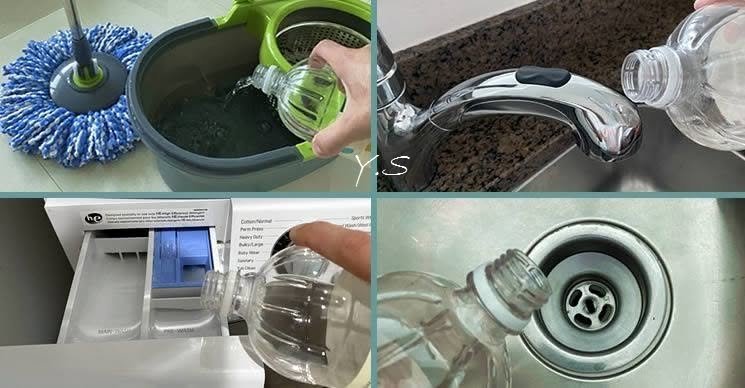
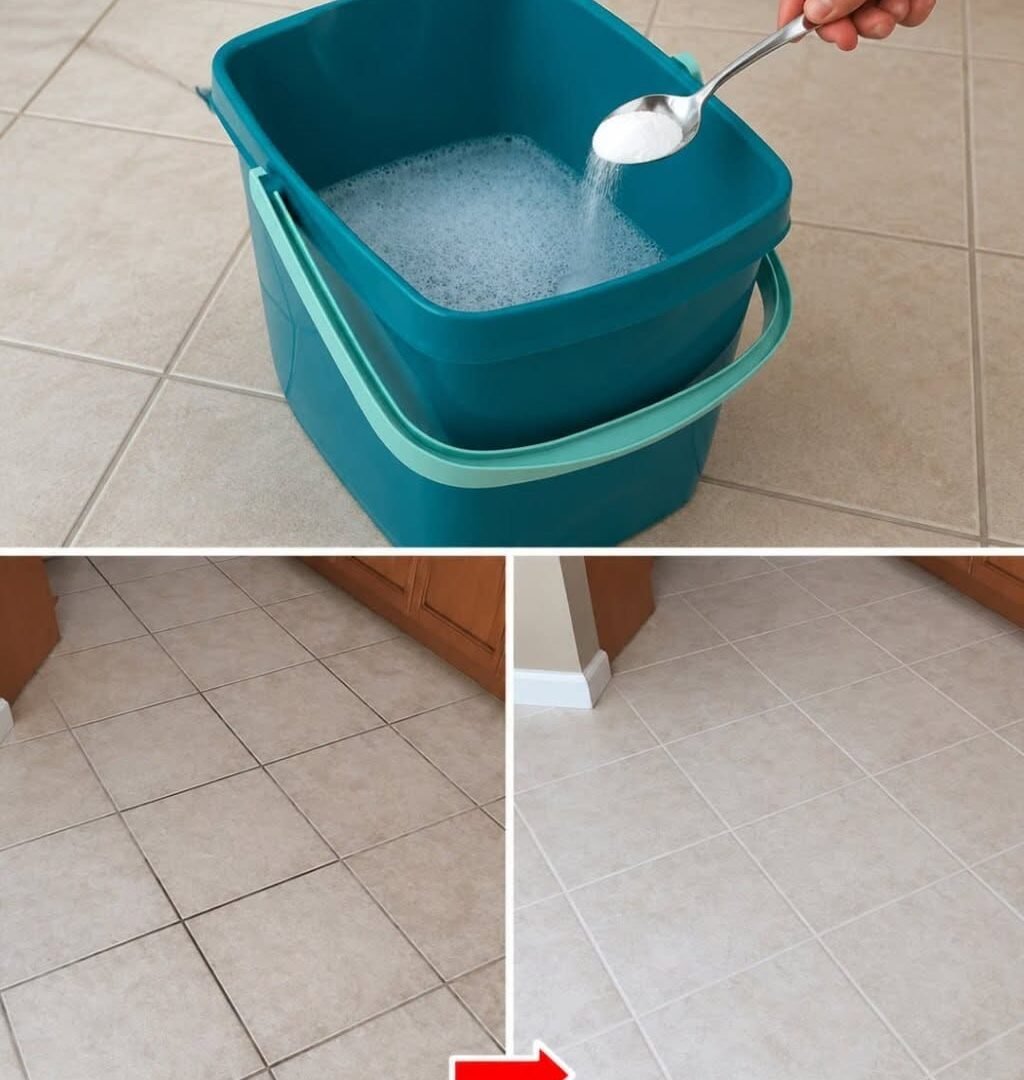
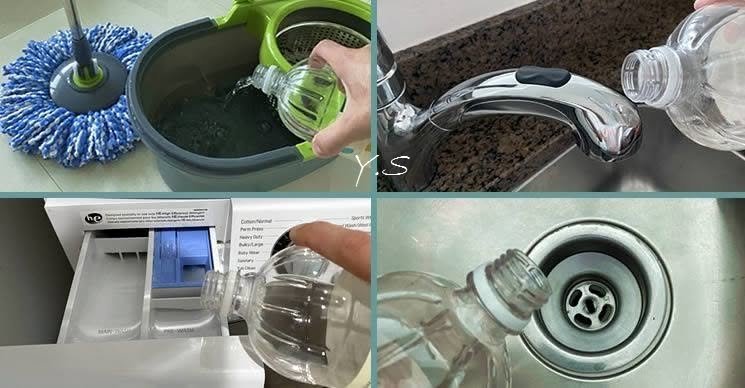
1. Clean Floors
For some sealed, vinegar-safe floors, a diluted solution can be useful for routine cleaning.
Simple Formula
½ cup white vinegar
1 gallon warm water
Mix and use with a well-wrung mop.
Important: Check your flooring manufacturer’s care instructions first. Vinegar should not be used on natural stone surfaces such as marble or limestone.
2. Remove Mineral Deposits From Faucets
Mineral buildup around faucets can make them look dull.
Soak a cloth or paper towel with white vinegar and wrap it around the affected area for approximately 15 minutes.
Remove it, rinse the area thoroughly with water, and wipe dry.
3. Freshen a Washing Machine Drawer
Detergent and fabric-softener residue can accumulate inside washing-machine dispensers.
Instead of pouring vinegar into an appliance without checking its instructions, first consult the manufacturer’s cleaning recommendations.
For removable detergent drawers, cleaning them separately with diluted vinegar and water can help loosen some residue.
4. Freshen a Sink Drain
For minor odors and residue, baking soda and vinegar are sometimes used as a household cleaning method.
You can try:
1 cup baking soda
1 cup white vinegar
Allow the mixture to fizz briefly, then rinse with plenty of water.
Important: This is not a substitute for clearing a serious blockage. Never use this method after applying a commercial drain cleaner.
5. Clean the Microwave
Steam can make dried-on food easier to wipe away.
Mix:
½ cup water
½ cup white vinegar
Place the mixture in a microwave-safe bowl and heat until it produces plenty of steam. Allow it to sit briefly before carefully opening the door.
Wipe the interior with a clean cloth.
Use caution: The bowl and liquid can become very hot.
6. Clean a Shower Head
Mineral deposits can build up around shower-head openings.
Place white vinegar in a suitable container or bag and position it around the shower head so the affected area is submerged.
Leave it for a few hours rather than automatically soaking overnight, then rinse thoroughly and run the shower to flush away loosened deposits.
Always check the manufacturer’s recommendations first, particularly for specialty finishes.
7. Clean Glass and Mirrors
A diluted vinegar solution can help remove some water spots and residue from glass.
Try mixing:
1 part white vinegar
1 part water
Apply with a suitable microfiber cloth and wipe the surface dry.
Avoid getting liquid into electrical components or openings around mirrors and other fixtures.
8. Freshen a Coffee Maker
Mineral buildup can affect coffee equipment, but vinegar isn’t appropriate for every coffee maker.
Check the manufacturer’s instructions before descaling.
If vinegar is approved, follow the appliance’s recommended concentration and procedure, followed by the required fresh-water rinsing cycles.
9. Reduce Odors in Shoes
For washable or vinegar-safe footwear, a diluted vinegar solution can help reduce unpleasant odors.
Mix equal parts water and white vinegar and lightly mist the inside.
Allow the shoes to dry completely in a well-ventilated area.
Test a small hidden area first because vinegar may affect some materials.
10. Freshen Towels
Vinegar can help remove some detergent and fabric-softener residue from laundry.
If your washing-machine manufacturer permits it, adding a small amount to the rinse cycle may help freshen washable towels.
Avoid mixing vinegar with bleach or bleach-containing laundry products.
11. Clean Certain Cutting Boards
Vinegar can help clean and deodorize some cutting boards, but it should not be described as a guaranteed sanitizer for raw-meat preparation surfaces.
For food-safety purposes, follow your local food-safety guidance and the cutting-board manufacturer’s cleaning instructions.
Plastic boards may be dishwasher-safe, while wooden boards require different care.
12. Remove Everyday Kitchen Odors
White vinegar can also be useful for reducing certain household odors.
Place a small bowl of vinegar in an appropriate area for a limited period, then ventilate the room.
Remember that vinegar masks or neutralizes some odors—it doesn’t necessarily eliminate the underlying source.
Important White Vinegar Safety Warnings
Vinegar is useful, but more isn’t always better.
Never Mix Vinegar With Bleach
Do not mix vinegar with chlorine bleach.
Combining acids such as vinegar with bleach can release dangerous chlorine-containing gases.
Use cleaning products separately and follow their labels.
Avoid Natural Stone
Do not use vinegar on surfaces such as:
Marble
Limestone
Travertine
Other acid-sensitive natural stone
The acidity can damage or dull the surface.
Be Careful With Grout
Vinegar can damage some types of grout and may affect sealants. Check the manufacturer’s recommendations before using it.
Avoid Electronics
Do not spray vinegar directly onto:
Smartphones
TVs
Computer screens
Keyboards
Other electronic devices
Liquid can damage electronic components, while acids may affect certain coatings.
Be Careful With Wood
Avoid using vinegar on unfinished, unsealed, or delicate wood surfaces. For hardwood floors, follow the flooring manufacturer’s cleaning instructions instead.
A Few Extra Tips
Always Dilute When Appropriate
Concentrated vinegar isn’t automatically more effective. Using the correct dilution can reduce the chance of damaging a surface.
Test First
When you’re unsure, test the solution on a small, hidden area.
Read Appliance Instructions
Coffee makers, washing machines, dishwashers, and other appliances may have specific cleaning requirements.
Ventilate the Room
Good ventilation is useful when cleaning, especially when working with strong-smelling products.
Frequently Asked Questions
Can white vinegar clean everything?
No. Vinegar works well for some household tasks but can damage certain surfaces and materials.
Can I mix vinegar with bleach?
Never. Mixing vinegar with bleach can produce dangerous gases.
Is vinegar a disinfectant?
Vinegar should not be treated as a universal disinfectant. For situations where disinfection is required, use an appropriate registered disinfectant according to its label.
Can I use vinegar on marble?
No. Vinegar is acidic and can damage marble and other acid-sensitive natural stone.
Is white vinegar safe for every washing machine?
Not necessarily. Always check the manufacturer’s care instructions before adding vinegar to an appliance.
Final Thoughts
White vinegar can be a simple and inexpensive cleaning helper, but viral cleaning hacks don’t always include important safety details.
Use it selectively, dilute it when appropriate, check manufacturer instructions, and—most importantly—never mix vinegar with bleach.
With the right precautions, this everyday kitchen staple can be useful for many household cleaning jobs. 🧽✨
To provide the best experiences, we use technologies like cookies to store and/or access device information. Consenting to these technologies will allow us to process data such as browsing behavior or unique IDs on this site. Not consenting or withdrawing consent, may adversely affect certain features and functions.
Functional
Always active
The technical storage or access is strictly necessary for the legitimate purpose of enabling the use of a specific service explicitly requested by the subscriber or user, or for the sole purpose of carrying out the transmission of a communication over an electronic communications network.
Preferences
The technical storage or access is necessary for the legitimate purpose of storing preferences that are not requested by the subscriber or user.
Statistics
The technical storage or access that is used exclusively for statistical purposes.The technical storage or access that is used exclusively for anonymous statistical purposes. Without a subpoena, voluntary compliance on the part of your Internet Service Provider, or additional records from a third party, information stored or retrieved for this purpose alone cannot usually be used to identify you.
Marketing
The technical storage or access is required to create user profiles to send advertising, or to track the user on a website or across several websites for similar marketing purposes.