What Is This Strange Tube-Like Object on the Floor? The Surprising Answer
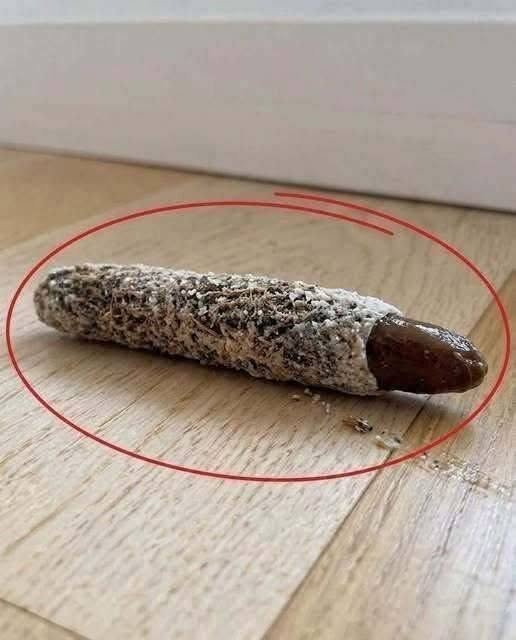
Found a strange tube-like object on the floor? Discover what a plaster bagworm case is, how it is made, and why these tiny larvae carry it around.
Have you ever noticed a tiny, unusual object on the floor and wondered where it came from?
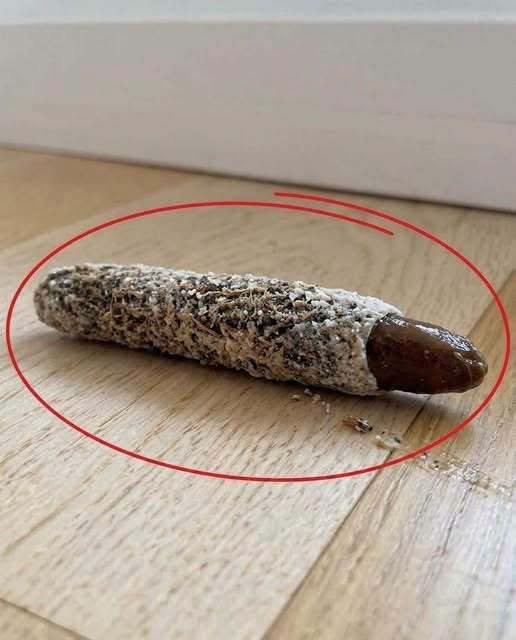
At first glance, a small tube-like structure covered in dust can look like nothing more than a piece of debris. But sometimes, what appears to be household clutter is actually evidence of a fascinating little creature.
One such discovery is the case of a case-bearing moth larva, commonly known as a plaster bagworm.
What Is a Plaster Bagworm?
The plaster bagworm is the larval stage of a small moth. Unlike many insects that remain exposed while moving around, the larva creates a protective case around itself.
The case can look surprisingly similar to a tiny piece of dried debris, making it easy to overlook.
Its appearance can vary depending on the materials available in the environment.
Why Does It Look Like a Tiny Tube?
The unusual shape comes from the larva’s portable case.
As the insect develops, it constructs a small shelter using materials found in its surroundings. This can include:
Dust and small particles
Fibers
Hair
Tiny pieces of plant material
Other lightweight debris
The result is a small, somewhat irregular case that helps the larva blend into its surroundings.
Why Does the Larva Carry the Case?
The case serves as both protection and camouflage.
Instead of remaining completely exposed, the larva can retreat into its case when disturbed. Because the case is made from materials that resemble its surroundings, it can also be difficult to notice.
This is a fascinating example of how insects can make use of materials that are readily available in their environment.
Where Might You Find One?
Case-bearing moth larvae can sometimes be noticed in quiet, sheltered areas.
Depending on the environment, they may be found around:
Indoors
They may appear in relatively undisturbed areas where dust, fibers, and other small materials accumulate.
Around Corners and Edges
Small insects and larvae often prefer places that receive less disturbance, making corners, edges, and hidden areas worth checking.
Near Natural Materials
Their presence can also be associated with areas containing materials they can use to construct their protective cases.
Is It Actually Trash?
Not necessarily.
A small dusty tube on the floor may look like ordinary debris, but its unusual structure can sometimes reveal that it is an insect case.
That’s what makes these discoveries so interesting: something that looks completely insignificant can actually be a tiny example of animal behavior.
How Is the Case Made?
The larva gathers small materials from its surroundings and incorporates them into its case.
Over time, the structure develops into a portable shelter that grows along with the insect.
Rather than being a manufactured object, it is essentially a tiny natural construction project.
What Should You Do If You Find One?
If you discover an unfamiliar insect case indoors, there is usually no need to panic.
You can simply remove it if you don’t want it there and keep the area clean and free of accumulated dust and debris.
If you repeatedly notice insects or larvae indoors, checking quiet areas and improving routine cleaning can help determine where they are coming from.
A Tiny Example of Nature’s Ingenuity
What initially looks like a strange piece of rubbish can turn out to be something much more interesting.
The plaster bagworm’s case demonstrates how a tiny organism can transform ordinary materials—dust, fibers, hair, and other particles—into a protective mobile shelter.
It may not look impressive at first, but under closer examination, it’s a remarkable example of adaptation and survival in the natural world.
Frequently Asked Questions
What is the small tube-like object on my floor?
If it resembles a small dusty or fibrous tube, it may be the protective case of a case-bearing moth larva, often called a plaster bagworm.
Why does a plaster bagworm make a case?
The larva uses the case for protection and camouflage while it develops.
What is the case made from?
The case can contain materials such as dust, fibers, hair, and other small particles collected from the surrounding environment.
Does the case grow with the larva?
The larva can modify and extend its case as it develops, allowing the shelter to remain useful as its body grows.
Why do people mistake it for debris?
Because the case is made from environmental materials, it can blend into floors, walls, corners, and other surfaces.
Final Thoughts
The next time you see a strange little piece of debris on the floor, it might be worth taking a closer look.
What appears to be ordinary dust or rubbish could actually be a tiny insect’s carefully constructed shelter.
Nature has a way of hiding fascinating stories in the most unexpected places.
To provide the best experiences, we use technologies like cookies to store and/or access device information. Consenting to these technologies will allow us to process data such as browsing behavior or unique IDs on this site. Not consenting or withdrawing consent, may adversely affect certain features and functions.
Functional
Always active
The technical storage or access is strictly necessary for the legitimate purpose of enabling the use of a specific service explicitly requested by the subscriber or user, or for the sole purpose of carrying out the transmission of a communication over an electronic communications network.
Preferences
The technical storage or access is necessary for the legitimate purpose of storing preferences that are not requested by the subscriber or user.
Statistics
The technical storage or access that is used exclusively for statistical purposes.The technical storage or access that is used exclusively for anonymous statistical purposes. Without a subpoena, voluntary compliance on the part of your Internet Service Provider, or additional records from a third party, information stored or retrieved for this purpose alone cannot usually be used to identify you.
Marketing
The technical storage or access is required to create user profiles to send advertising, or to track the user on a website or across several websites for similar marketing purposes.