Neem Leaves for Eyes: Benefits, Risks, and the Truth Behind the Viral Claim
Neem (Azadirachta indica) is a tree native to India and parts of Southeast Asia. It has been used for centuries in traditional medicine, especially in Ayurveda.
Neem contains compounds that may have:
Antibacterial properties
Anti-inflammatory effects
Antioxidant activity
It is commonly used in soaps, toothpaste, skin creams, and traditional remedies for minor infections and inflammation.
But traditional use is not the same as proven medical treatment—especially for something as delicate as the eye.
Why People Use Neem for Eyes
In traditional medicine, neem has been used for minor eye irritation and conjunctivitis, sometimes called pink eye.
Some laboratory studies suggest that neem extracts may help fight certain bacteria and reduce inflammation. However, most of this research is done in labs or on animals—not in controlled human trials.
There is limited clinical evidence that neem is effective for eye conditions in humans.
What Science Says About Neem and Eye Health
Here’s what the evidence actually supports:
Neem may have antimicrobial and anti-inflammatory effects. This is why it is sometimes studied for minor eye infections.
There is no proof that neem can reverse cataracts. Cataracts are caused by proteins clumping in the lens of the eye. The only proven treatment is surgery.
There is no proof that neem can cure vision loss or eliminate the need for glasses. Refractive errors like nearsightedness and farsightedness are usually treated with glasses, contact lenses, or refractive surgery.
There is no strong human evidence that neem improves eyesight.
The viral claim that “millions of people no longer depend on eye doctors” because of neem is not supported by medical research.
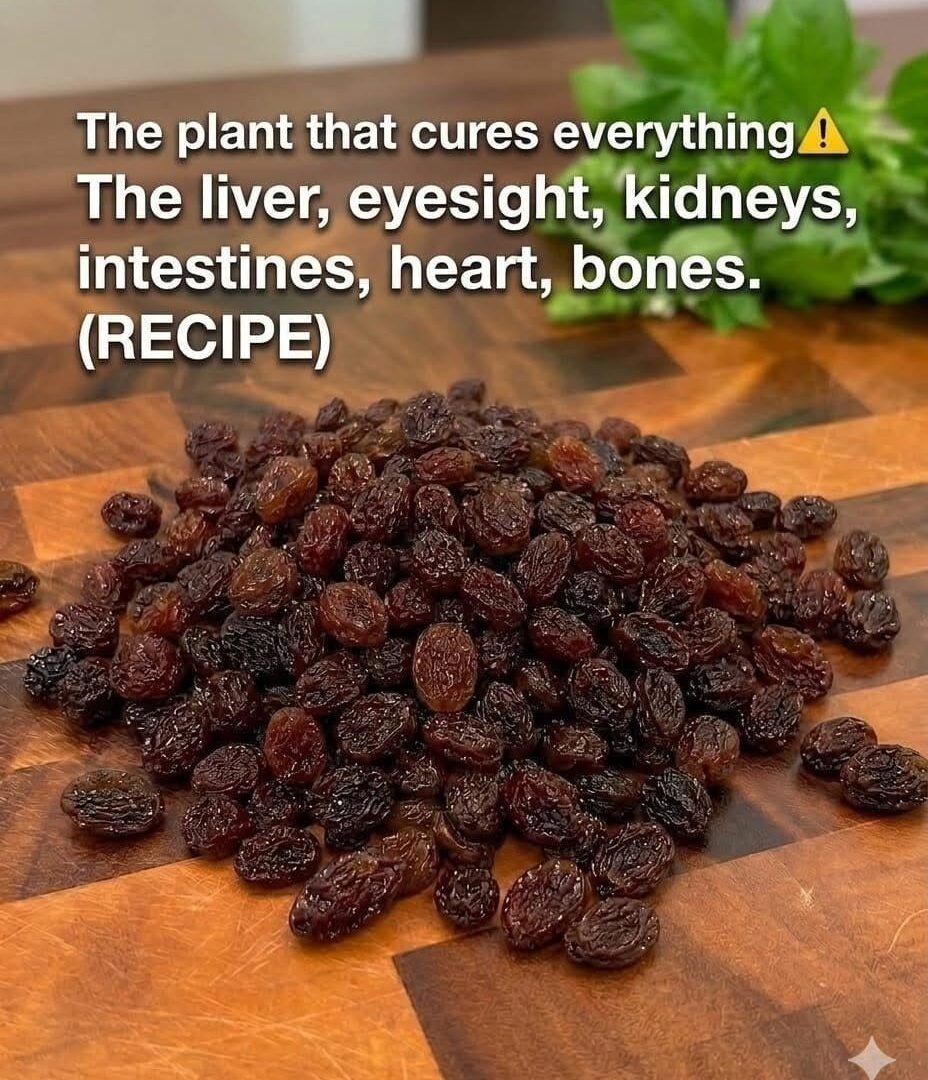
The Viral Claim: “Neem Leaves for Eyes”
The social media post usually claims:
Neem leaves can reverse cataracts.
People who wear glasses no longer need them.
Eye doctors don’t want you to know this.
A homemade neem juice recipe can cure eye problems.
These claims are misleading.
They often rely on:
Anecdotes instead of clinical studies
Emotional language like “miracle” or “secret”
No citations from reputable medical journals
A call to comment “OK” to get a recipe, which boosts engagement
A real treatment for cataracts or vision loss must be tested in controlled human trials and approved by medical authorities. Neem juice has not met that standard.
Risks of Putting Neem in Your Eyes
This is the most important part: do not put homemade neem juice in your eyes.
Homemade plant extracts are not sterile. They can contain:
Bacteria
Fungal spores
Small plant particles
Natural irritants
Putting them directly into the eye can cause:
Severe irritation and pain
Allergic reactions
Corneal abrasions
Bacterial or fungal infections
Corneal ulcers
Permanent vision loss
There have also been rare cases of toxic optic neuropathy—damage to the optic nerve—after consuming neem oil. This shows that neem can be toxic to the visual system in some forms.
The FDA has not approved neem for eye treatment. No reputable eye organization recommends squeezing neem juice into your eyes.
Safe Eye Care Tips
If you want to protect your vision, focus on proven habits:
Get regular comprehensive eye exams.
Wear sunglasses that block UV rays.
Eat a balanced diet rich in fruits and vegetables.
Manage conditions like diabetes and high blood pressure.
Use prescribed eye drops only as directed.
Wear protective eyewear during sports or dangerous work.
Don’t smoke.
Give your eyes breaks from screens.
If you have a cataract, talk to an ophthalmologist about surgery. If you need glasses, get a proper prescription. These are safe, effective, and evidence-based.
When to See an Eye Doctor
See an eye doctor promptly if you notice:
Sudden vision loss
Flashes of light or a sudden increase in floaters
Eye pain or redness
Discharge or swelling
Double vision
Cloudy or blurry vision
Glare or halos around lights
Difficulty seeing at night
These can be signs of serious conditions that need medical care.
FAQ
Can neem cure cataracts?
No. There is no scientific evidence that neem can reverse cataracts. Cataract surgery is the only proven treatment.
Can neem improve eyesight?
There is no reliable evidence that neem improves eyesight or removes the need for glasses.
Is it safe to put neem juice in my eyes?
No. Homemade neem juice is not sterile and can cause infection, irritation, and serious eye damage.
What actually helps eye health?
Regular eye exams, a healthy diet, UV protection, and following your eye doctor’s advice.
Final Thoughts
Neem is a fascinating plant with a long history in traditional medicine. It may have some antimicrobial and anti-inflammatory benefits.
But it is not a cure for cataracts, vision loss, or the need for glasses. The viral claim that neem leaves can replace eye doctors is false and potentially dangerous.
Your eyes are delicate. Don’t risk them on a homemade remedy. If you have concerns about your vision, talk to a qualified eye care professional.
Your vision is worth protecting—with science, not social media hype.
Medical Disclaimer: This article is for educational purposes only and is not a substitute for professional medical advice, diagnosis, or treatment. Always seek the advice of your physician or another qualified health provider with any questions you may have regarding a medical condition.
To provide the best experiences, we use technologies like cookies to store and/or access device information. Consenting to these technologies will allow us to process data such as browsing behavior or unique IDs on this site. Not consenting or withdrawing consent, may adversely affect certain features and functions.
Functional
Always active
The technical storage or access is strictly necessary for the legitimate purpose of enabling the use of a specific service explicitly requested by the subscriber or user, or for the sole purpose of carrying out the transmission of a communication over an electronic communications network.
Preferences
The technical storage or access is necessary for the legitimate purpose of storing preferences that are not requested by the subscriber or user.
Statistics
The technical storage or access that is used exclusively for statistical purposes.The technical storage or access that is used exclusively for anonymous statistical purposes. Without a subpoena, voluntary compliance on the part of your Internet Service Provider, or additional records from a third party, information stored or retrieved for this purpose alone cannot usually be used to identify you.
Marketing
The technical storage or access is required to create user profiles to send advertising, or to track the user on a website or across several websites for similar marketing purposes.