Each Finger Is Connected to Two Organs: An Incredible Japanese Therapeutic Method
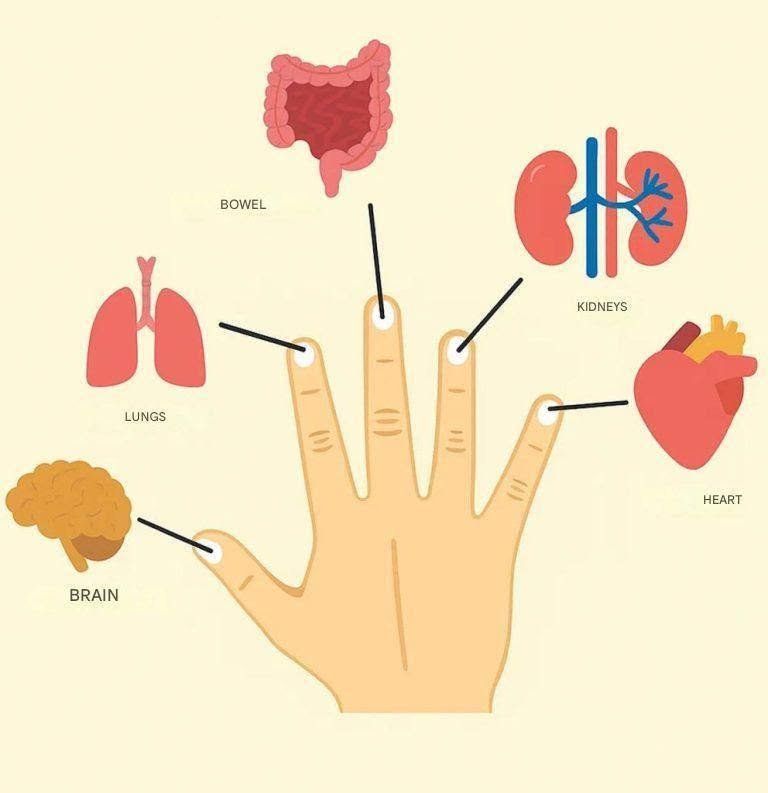
In a world of complex medical treatments and expensive wellness trends, it’s easy to overlook the simplest tools we have for self-healing: our own hands. Rooted in an ancient Japanese healing art known as Jin Shin Jyutsu, practitioners believe that each finger is a powerful entry point to the body’s energetic pathways, directly connected to two specific organs and the emotions that accompany them.
This isn’t just a folk remedy. Jin Shin Jyutsu is a holistic healing tradition that has been used in Japan for centuries, and it is now gaining recognition worldwide as a simple, accessible way to restore physical and emotional balance. The best part? It takes only five minutes, and you can do it anywhere.
What Is Jin Shin Jyutsu?
Jin Shin Jyutsu (pronounced jin shin jit-su) is an ancient Japanese form of touch therapy that works with the body’s natural energy system. The practice was systematized in the early 20th century by Master Jiro Murai, who rediscovered the ancient knowledge through his own healing journey.
The philosophy behind Jin Shin Jyutsu is simple yet profound: our hands are the main entry points to all the energetic highways of the body, including the vertebrae, organs, and emotions. By holding specific fingers, you can harmonize the energy flow that connects to specific organs and the emotions they are associated with.
The Finger-Organ Map: A Complete Guide
According to this ancient art, each finger on your hand corresponds to two organs and a specific set of emotions. When you hold a finger, you are not just applying pressure—you are tapping into the energy of those organs and helping to release the emotional blockages that may be contributing to physical symptoms.
Here is the complete map of the finger-organ-emotion connections:
Physical Symptoms: Bone or Nerve problems, Heart conditions, Blood pressure issues, Sore throat, Bloating
How to Practice This 5-Minute Healing Method
The technique is remarkably simple. You don’t need any special equipment, and you can do it while sitting at your desk, watching TV, or lying in bed. Here is how to perform the practice:
Choose your finger. Identify the emotion you want to calm or the organ you want to support. Use the map above to find the corresponding finger.
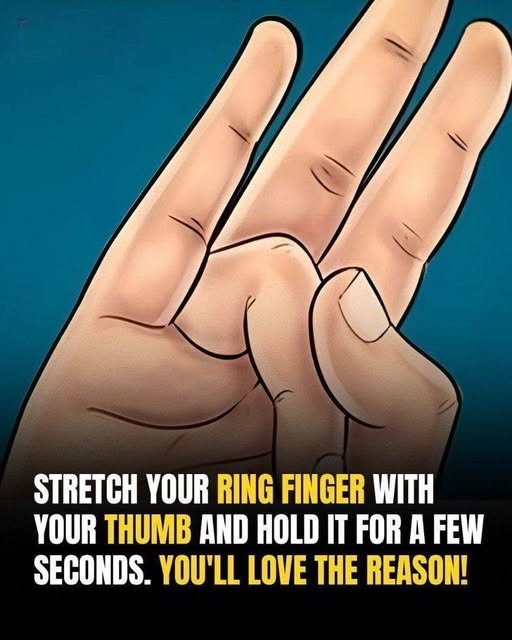
Hold the finger. Take the chosen finger with the other hand and hold it firmly but gently. Wrap your fingers around it comfortably.
Breathe deeply. While holding the finger, take slow, deep breaths. This is essential for moving energy and calming the nervous system.
Hold for 3 to 5 minutes. Maintain the hold for at least three minutes. You may feel a pulsation or a sense of release as the energy begins to balance.
Repeat on the other hand. After finishing, switch to the same finger on the opposite hand and hold for the same amount of time.
Massage gently. After holding, massage each finger on both hands for a minute or two to stimulate the points fully.
You can also work through all five fingers on both hands for a complete full-body balance session.
Why This Works: The Mind-Body Connection
From a Western scientific perspective, the mechanisms of Jin Shin Jyutsu are not yet fully understood. However, the practice aligns with growing research into the mind-body connection and the power of touch.
The nervous system response: Holding your fingers engages your parasympathetic nervous system—the “rest and digest” mode. The gentle pressure and focused breathing send signals to your brain that it is safe to relax, reducing stress hormones like cortisol.
The power of mindfulness: The act of holding a finger requires you to focus on the present moment. This mindfulness interrupts the cycle of anxious thoughts and allows your body to enter a state of calm.
Reflexology connections: The hands are densely packed with nerve endings and are considered by many traditions to be a map of the entire body. Stimulating specific points on the fingers can trigger responses in corresponding organs through these neural pathways.
Integrating This Practice into Daily Life
Jin Shin Jyutsu is not a replacement for medical treatment, but it is a powerful complementary practice that can support your overall well-being. Here are some ways to incorporate it into your daily routine:
Morning ritual: Start your day with a 5-minute finger-holding session to set a calm, balanced tone.
Stress relief: When you feel anxiety or worry creeping in, hold your thumb for a few minutes to calm your stomach and settle your mind.
Before bed: Use the technique to release the day’s tension and prepare for restful sleep.
During work breaks: A quick finger hold can help you reset your focus and reduce mental fatigue.
The Bottom Line
The Japanese healing art of Jin Shin Jyutsu offers a beautiful reminder that we carry powerful tools for self-healing in our own hands. By understanding the connection between our fingers, organs, and emotions, we can use this simple 5-minute practice to restore balance, release tension, and support our overall health.
Whether you’re dealing with a specific physical symptom or simply feeling emotionally overwhelmed, the next time you feel out of balance, try holding your finger. You might be surprised by how much a few minutes of focused touch can do.
Disclaimer: This article is for informational purposes only and is not a substitute for professional medical advice, diagnosis, or treatment. Always seek the advice of your physician or another qualified health provider with any questions you may have regarding a medical condition.
To provide the best experiences, we use technologies like cookies to store and/or access device information. Consenting to these technologies will allow us to process data such as browsing behavior or unique IDs on this site. Not consenting or withdrawing consent, may adversely affect certain features and functions.
Functional
Always active
The technical storage or access is strictly necessary for the legitimate purpose of enabling the use of a specific service explicitly requested by the subscriber or user, or for the sole purpose of carrying out the transmission of a communication over an electronic communications network.
Preferences
The technical storage or access is necessary for the legitimate purpose of storing preferences that are not requested by the subscriber or user.
Statistics
The technical storage or access that is used exclusively for statistical purposes.The technical storage or access that is used exclusively for anonymous statistical purposes. Without a subpoena, voluntary compliance on the part of your Internet Service Provider, or additional records from a third party, information stored or retrieved for this purpose alone cannot usually be used to identify you.
Marketing
The technical storage or access is required to create user profiles to send advertising, or to track the user on a website or across several websites for similar marketing purposes.