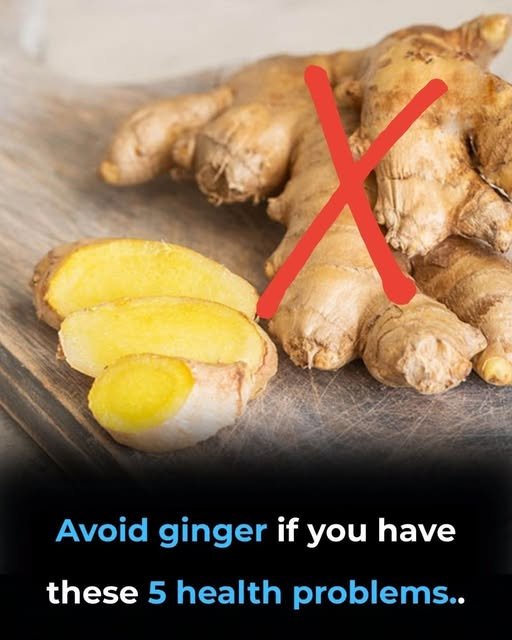
5 Health Situations Where You Should Be Careful With Ginger
Meta Description: Ginger is widely used in cooking and herbal drinks, but it may not be suitable for everyone. Learn about five situations where caution is recommended.
Ginger is a popular ingredient used in cooking, teas, and traditional remedies. It has a long history of culinary and traditional use, but “natural” doesn’t automatically mean suitable for everyone.
For most people, normal amounts of ginger used in food are generally well tolerated. However, concentrated ginger supplements or large amounts may not be appropriate in certain situations.
Here are five circumstances where it’s worth speaking with a healthcare professional before regularly using large amounts of ginger.
1. If You Take Blood-Thinning Medication
Ginger may affect blood clotting, so people taking anticoagulant or antiplatelet medicines should be cautious with concentrated ginger supplements.
If you take medication such as warfarin or another blood thinner, ask your doctor or pharmacist before using ginger supplements regularly.
Do not stop prescribed medication on your own.
2. If You Have Gallstones
Ginger may stimulate digestive activity, and people with gallbladder problems should discuss concentrated ginger use with a healthcare professional.
If you have known gallstones or recurring upper-abdominal pain, don’t rely on ginger as a home treatment.
3. If You Have a Bleeding Disorder
Because ginger may influence platelet function and blood clotting, people with certain bleeding conditions should seek medical advice before taking high-dose ginger supplements.
Normal culinary use is different from concentrated supplements.
4. If You Have Frequent Heartburn
Although ginger may help some people with digestive discomfort, concentrated ginger can cause heartburn or stomach irritation in others.
If you regularly experience reflux or heartburn, pay attention to whether ginger makes your symptoms worse.
5. If You Take Diabetes Medication
Ginger may influence blood glucose levels. Combining large amounts or concentrated supplements with diabetes medication could potentially affect blood sugar management.
If you have diabetes, speak with your healthcare professional before adding a high-dose ginger supplement to your routine.
What About Ginger Tea?
A mild cup of ginger tea is very different from taking a concentrated supplement.
If you enjoy ginger in normal culinary amounts, there’s usually no reason to avoid it simply because of these warnings. The main concern is high amounts, concentrated products, and individual medical circumstances.
Possible Side Effects
Large amounts of ginger may cause:
Heartburn
Stomach discomfort
Diarrhea
Mouth irritation
If you develop unusual or severe symptoms after taking ginger, stop the supplement and seek medical advice.
How to Use Ginger More Safely
Use Food Amounts
Adding a small amount of fresh ginger to meals or tea is different from taking high-dose capsules or extracts.
Check Your Medications
If you take prescription medicines regularly, ask a pharmacist about potential interactions before using concentrated herbal supplements.
Don’t Replace Medical Treatment
Ginger should not replace medication prescribed for diabetes, bleeding disorders, gallbladder problems, or other medical conditions.
Frequently Asked Questions
Should everyone avoid ginger?
No. Ginger is a common food ingredient and is well tolerated by many people.
Is ginger tea safe?
For many people, moderate amounts of ginger tea are tolerated well. However, people taking certain medications or managing specific health conditions should check with a healthcare professional.
Can ginger interact with medication?
Yes. Concentrated ginger supplements may interact with some medicines, particularly those affecting blood clotting or blood sugar.
Is fresh ginger better than supplements?
Fresh ginger used as a food generally provides much smaller amounts than concentrated supplements. Supplements should be treated more cautiously because doses can be substantially higher.
Final Thoughts
You don’t necessarily need to “avoid ginger” completely if you have one of these health concerns. The important distinction is between ordinary culinary use and concentrated supplements.
If you take prescription medication or have a chronic health condition, ask your doctor or pharmacist before using high-dose ginger products regularly. 🌿
To provide the best experiences, we use technologies like cookies to store and/or access device information. Consenting to these technologies will allow us to process data such as browsing behavior or unique IDs on this site. Not consenting or withdrawing consent, may adversely affect certain features and functions.
Functional
Always active
The technical storage or access is strictly necessary for the legitimate purpose of enabling the use of a specific service explicitly requested by the subscriber or user, or for the sole purpose of carrying out the transmission of a communication over an electronic communications network.
Preferences
The technical storage or access is necessary for the legitimate purpose of storing preferences that are not requested by the subscriber or user.
Statistics
The technical storage or access that is used exclusively for statistical purposes.The technical storage or access that is used exclusively for anonymous statistical purposes. Without a subpoena, voluntary compliance on the part of your Internet Service Provider, or additional records from a third party, information stored or retrieved for this purpose alone cannot usually be used to identify you.
Marketing
The technical storage or access is required to create user profiles to send advertising, or to track the user on a website or across several websites for similar marketing purposes.