The Most Common Food-Safety Mistake People Make at Home
Food safety isn’t only about what you eat. How you store, prepare, cook, and handle food can be just as important.
One of the most common mistakes people make at home is cross-contamination—allowing harmful microorganisms from raw foods, hands, utensils, or surfaces to spread to foods that are ready to eat.
The good news is that this mistake is relatively easy to prevent.
What Is Cross-Contamination?
Cross-contamination happens when bacteria or other microorganisms move from one food, surface, or utensil to another.
For example, juices from raw chicken could contaminate a cutting board that is later used to prepare vegetables for a salad.
The vegetables may never be cooked, meaning there is no later cooking step to reduce the contamination.
7 Common Kitchen Mistakes to Avoid
1. Using the Same Cutting Board
Using one cutting board for raw meat and ready-to-eat foods without properly cleaning it can spread microorganisms.
Use separate boards when practical, or thoroughly wash and sanitize the board between different foods.
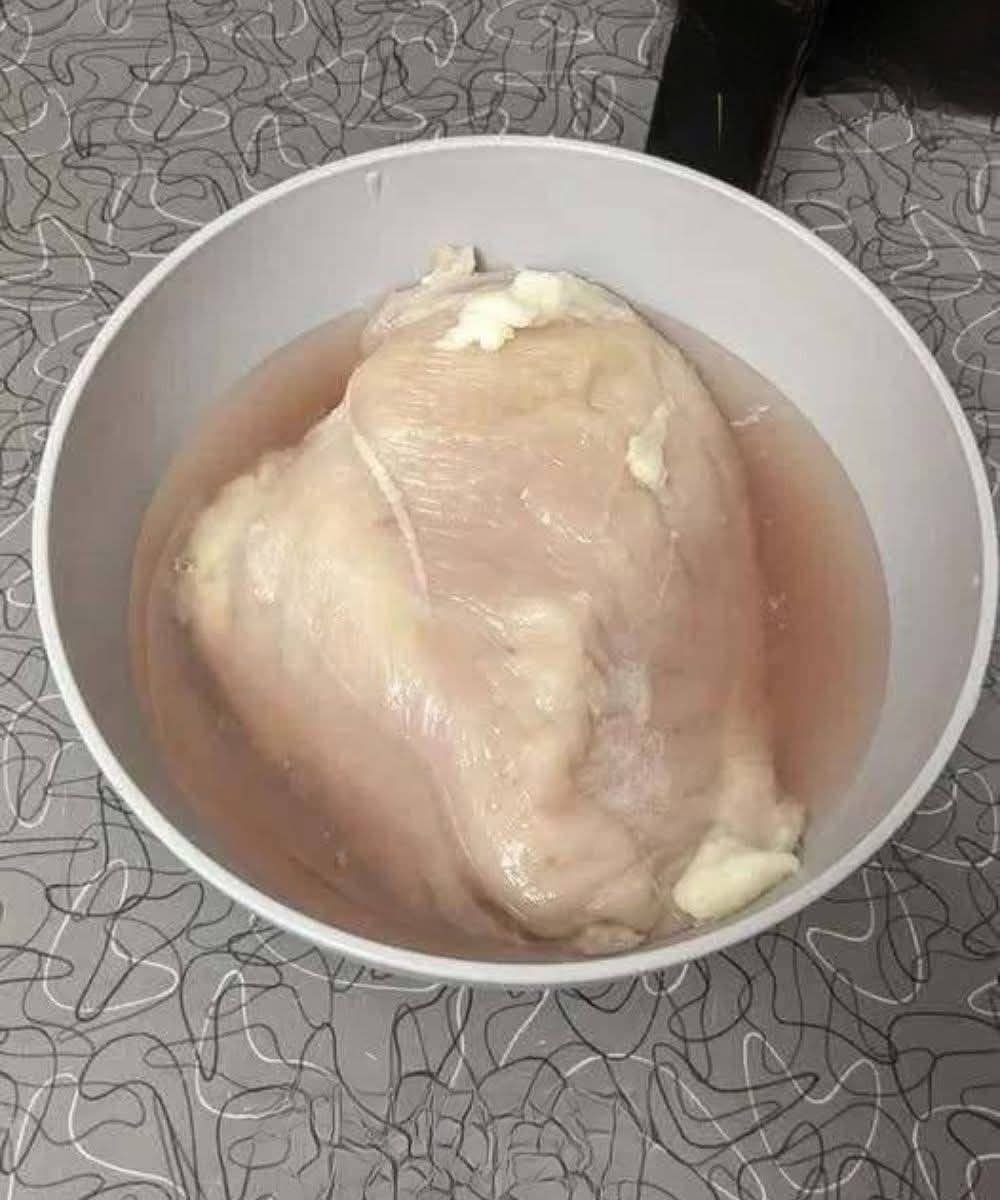
2. Washing Raw Chicken
Washing raw poultry in the sink can spread contaminated droplets onto nearby surfaces.
Instead of washing it, place the poultry directly into the cooking pan and clean your hands and surrounding surfaces after handling it.
3. Forgetting to Wash Your Hands
Hands can transfer microorganisms between foods, utensils, refrigerator handles, and countertops.
Wash your hands with soap and water before preparing food and after handling raw meat, poultry, seafood, or eggs.
4. Leaving Perishable Food Out Too Long
Foods that require refrigeration should not be left at room temperature for extended periods.
Refrigerate leftovers and other perishable foods promptly.
5. Using the Same Utensil for Raw and Cooked Food
A utensil that touches raw meat shouldn’t be used again for cooked food unless it has been properly washed.
Keep clean utensils available during cooking.
6. Relying on Appearance Instead of Temperature
Food can sometimes look cooked before it has reached a safe internal temperature.
A food thermometer is a more reliable way to check whether foods such as poultry, ground meat, and other temperature-sensitive foods have been cooked adequately.
7. Forgetting About Refrigerator Organization
Raw meat, poultry, and seafood should be stored in a way that prevents their juices from dripping onto ready-to-eat foods.
Keeping raw products securely covered and positioned appropriately can help reduce contamination.
The Simple Rule: Clean, Separate, Cook, Chill
A useful way to remember basic food safety is:
Clean: Wash hands and surfaces.
Separate: Keep raw foods away from ready-to-eat foods.
Cook: Use appropriate cooking temperatures.
Chill: Refrigerate perishable foods promptly.
These four habits cover many of the most important food-safety practices used in the home.
What About Kitchen Sponges?
Sponges and dishcloths can become contaminated when they remain damp and are repeatedly used.
Wash or replace them regularly and avoid using a dirty sponge to wipe surfaces where food is prepared.
How to Make Your Kitchen Safer
You don’t need complicated equipment.
Start with a few simple habits:
Wash your hands regularly.
Keep raw meat separate from other foods.
Clean cutting boards after use.
Refrigerate leftovers promptly.
Use a food thermometer when appropriate.
Keep raw foods away from ready-to-eat foods.
Clean countertops and utensils after food preparation.
Final Thoughts
Food safety begins long before food reaches your plate.
Small mistakes—such as using the same cutting board for raw chicken and salad ingredients—can create opportunities for cross-contamination.
By keeping raw foods separate, washing your hands and surfaces, cooking food appropriately, and refrigerating perishables promptly, you can make your everyday kitchen routine safer.
Good food safety doesn’t have to be complicated. It starts with consistent habits.
To provide the best experiences, we use technologies like cookies to store and/or access device information. Consenting to these technologies will allow us to process data such as browsing behavior or unique IDs on this site. Not consenting or withdrawing consent, may adversely affect certain features and functions.
Functional
Always active
The technical storage or access is strictly necessary for the legitimate purpose of enabling the use of a specific service explicitly requested by the subscriber or user, or for the sole purpose of carrying out the transmission of a communication over an electronic communications network.
Preferences
The technical storage or access is necessary for the legitimate purpose of storing preferences that are not requested by the subscriber or user.
Statistics
The technical storage or access that is used exclusively for statistical purposes.The technical storage or access that is used exclusively for anonymous statistical purposes. Without a subpoena, voluntary compliance on the part of your Internet Service Provider, or additional records from a third party, information stored or retrieved for this purpose alone cannot usually be used to identify you.
Marketing
The technical storage or access is required to create user profiles to send advertising, or to track the user on a website or across several websites for similar marketing purposes.