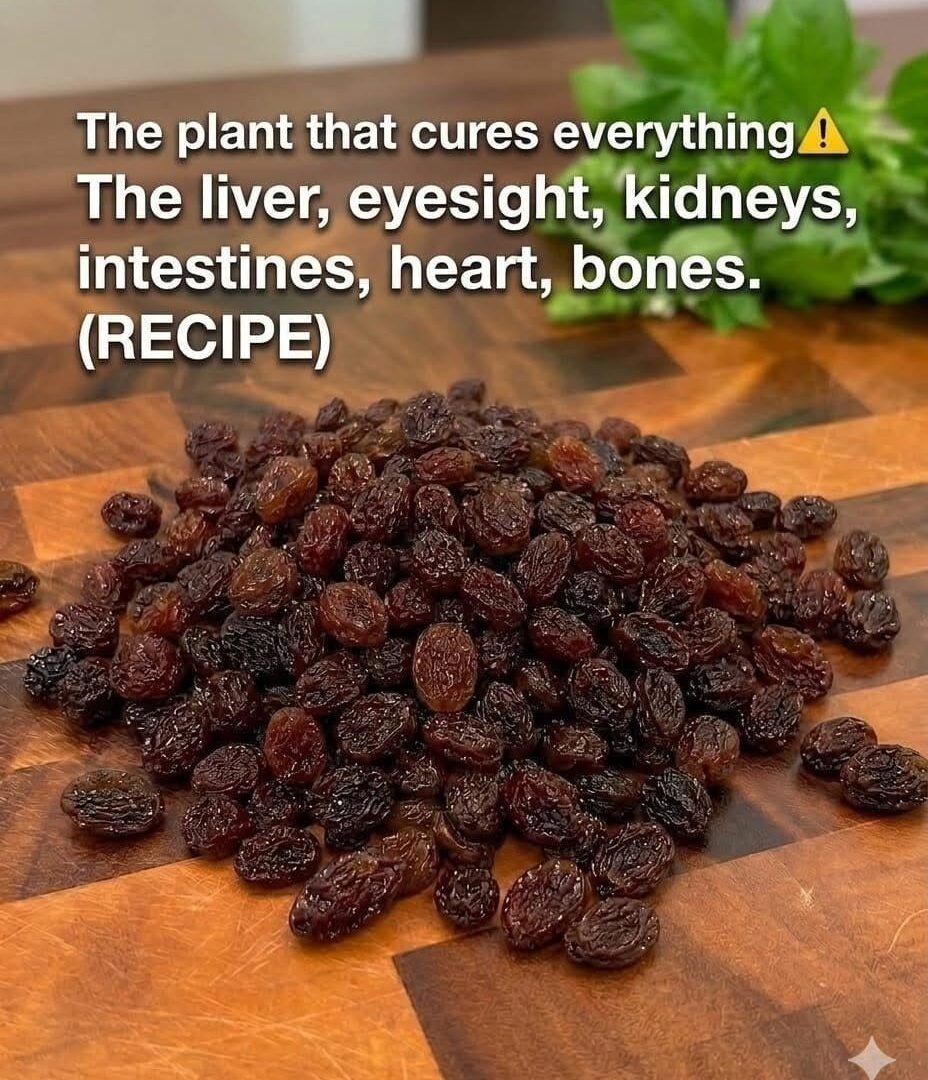
A Simple Homemade Recipe for Knee & Joint Comfort: What You Should Know 🦵✨
Meta Description: Discover a simple homemade recipe for a soothing routine and learn practical, evidence-based ways to support comfortable movement when knee discomfort occurs.
Knee discomfort can make everyday activities—walking, climbing stairs, or simply getting up from a chair—feel more difficult.
You may have seen posts promising a homemade mixture that can “cure knee and bone pain” or provide instant natural relief. While some home remedies may feel soothing, there is no single homemade mixture proven to repair bones, cure arthritis, or eliminate chronic knee pain.
Still, a simple warm compress and gentle self-care routine can be a comforting addition to your daily routine.
🦵 Simple Homemade Comfort Routine
What You Need
1 clean towel
Warm water
A bowl
Your favorite unscented moisturizer, optional
How to Prepare It
Fill a bowl with comfortably warm water.
Soak the clean towel in the water.
Wring out the excess water.
Place the warm towel over the uncomfortable knee for 10–15 minutes.
Remove the towel and gently dry the area.
If your skin is dry, apply a small amount of moisturizer.
The warmth may feel relaxing and can temporarily make a stiff joint feel more comfortable.
🌿 Why Does Warmth Feel Good?
Heat can provide temporary comfort for some people experiencing muscle or joint stiffness.
However, it isn’t a treatment for the underlying cause of knee pain.
If your discomfort keeps returning, identifying the cause is much more useful than repeatedly relying on home remedies.
Gentle Movement Can Also Help
When appropriate, staying gently active can be beneficial for joint function.
Simple activities may include:
Short walks
Gentle stretching
Range-of-motion exercises
Low-impact activities such as swimming
Start gradually and avoid movements that significantly increase your pain.
🥗 Don’t Forget the Basics
Supporting overall health can also help you stay active.
A balanced eating pattern can include:
Vegetables and fruits
Whole grains
Beans and lentils
Fish or other protein sources
Nuts and seeds
Adequate fluids
There isn’t one food that can rebuild damaged joints overnight, but overall nutrition matters for general health.
⚠️ When Knee Pain Should Be Checked
Don’t rely on a homemade remedy if your knee pain is severe, persistent, or getting worse.
Seek medical advice if you experience:
Significant swelling
A knee that becomes hot or very red
Inability to put weight on the leg
Severe pain after an injury
Repeated locking or giving way
Fever together with joint pain
Pain that continues despite rest and basic self-care
A healthcare professional can help determine whether the problem is related to arthritis, an injury, inflammation, or another condition.
Frequently Asked Questions
Can a homemade mixture cure knee pain?
No. Homemade remedies may provide temporary comfort, but they have not been proven to cure arthritis or repair damaged bones or cartilage.
Is heat good for stiff knees?
Warmth can feel soothing for some people with stiffness. Avoid excessive heat, and don’t apply it to numb or damaged skin.
Should I stop exercising if my knee hurts?
Not necessarily. Gentle movement may be helpful, but activities that cause significant pain should be stopped and discussed with a healthcare professional.
What is the best treatment for knee pain?
It depends on the cause. Treatment may involve exercise, physical therapy, weight management when appropriate, medication, or other approaches recommended by a healthcare professional.
Final Thoughts
🦵 A warm compress can be a simple way to provide temporary comfort, but persistent knee or bone pain deserves proper attention.
Instead of relying on claims about miracle mixtures, focus on gentle movement, balanced nutrition, appropriate self-care, and professional evaluation when symptoms continue.
Your knees deserve more than a quick internet remedy—they deserve the right care for the actual cause.
To provide the best experiences, we use technologies like cookies to store and/or access device information. Consenting to these technologies will allow us to process data such as browsing behavior or unique IDs on this site. Not consenting or withdrawing consent, may adversely affect certain features and functions.
Functional
Always active
The technical storage or access is strictly necessary for the legitimate purpose of enabling the use of a specific service explicitly requested by the subscriber or user, or for the sole purpose of carrying out the transmission of a communication over an electronic communications network.
Preferences
The technical storage or access is necessary for the legitimate purpose of storing preferences that are not requested by the subscriber or user.
Statistics
The technical storage or access that is used exclusively for statistical purposes.The technical storage or access that is used exclusively for anonymous statistical purposes. Without a subpoena, voluntary compliance on the part of your Internet Service Provider, or additional records from a third party, information stored or retrieved for this purpose alone cannot usually be used to identify you.
Marketing
The technical storage or access is required to create user profiles to send advertising, or to track the user on a website or across several websites for similar marketing purposes.