3 “Miracle Seeds” That Claim to Cure Hundreds of Diseases — What Science Actually Says
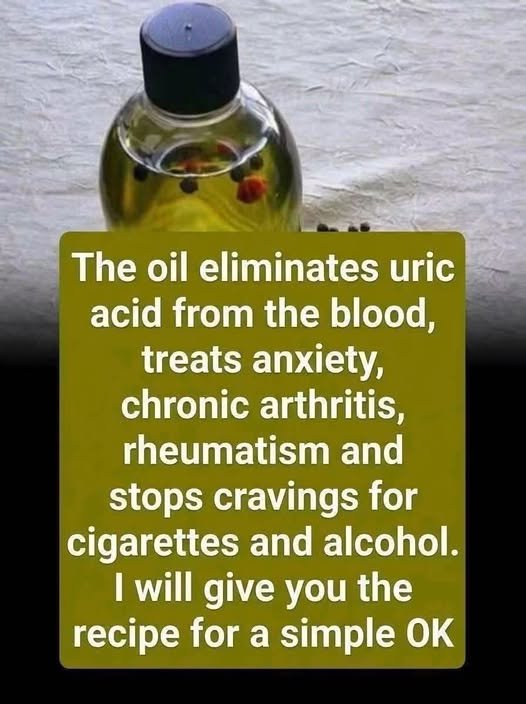
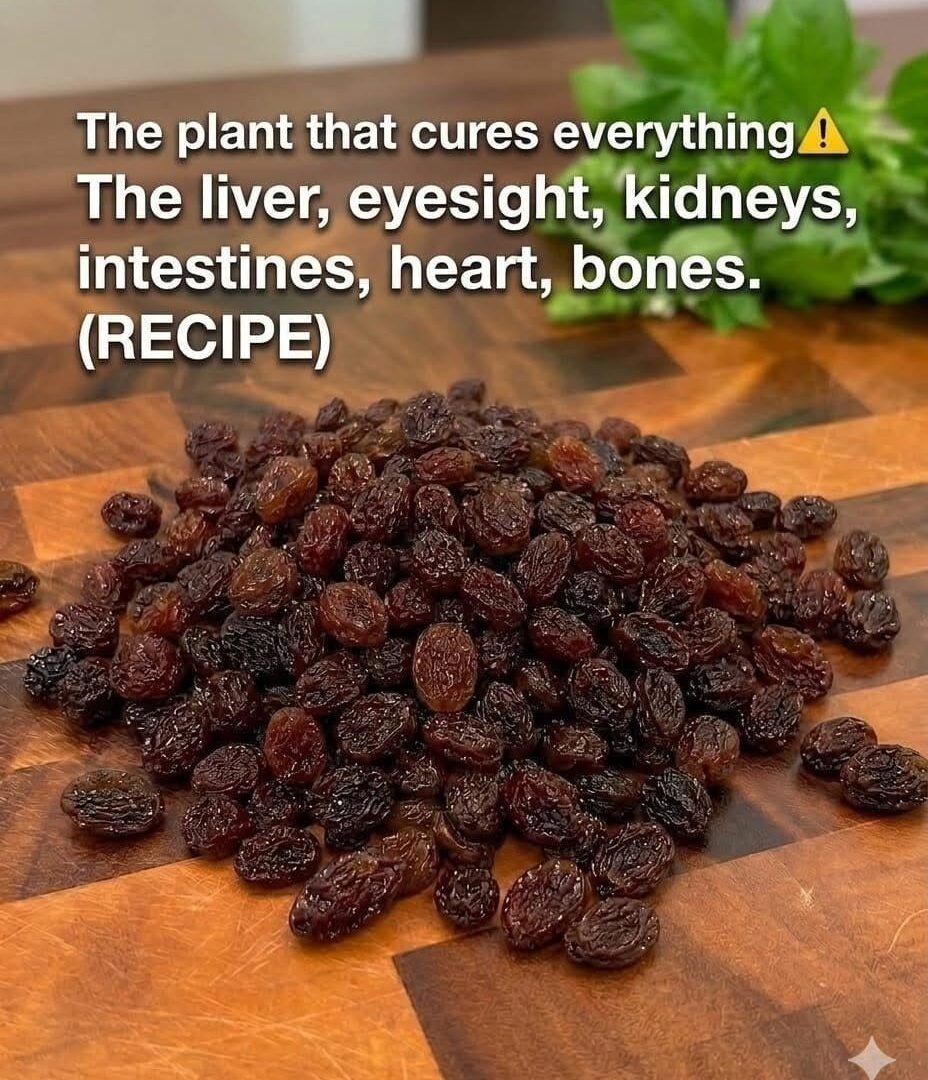
Social media is full of posts claiming that certain seeds can “cure everything except death” or treat hundreds of diseases. Some of these claims are connected to traditional medicine or religious sayings, while others are simply viral health misinformation.
Here are three seeds frequently mentioned in these claims—and what you should actually know.
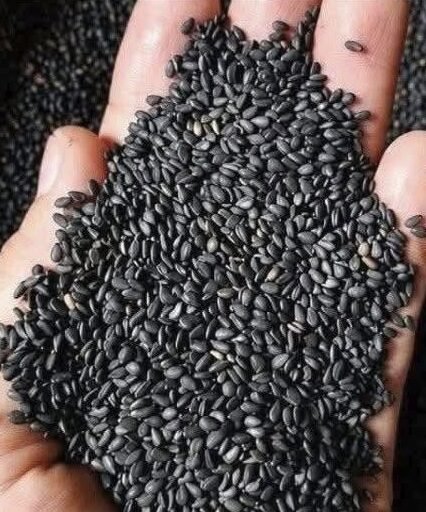
🌱 1. Black Seed (Nigella sativa)
Black seed, also called black cumin, has a long history of culinary and traditional use.
Some research has investigated compounds such as thymoquinone for possible antioxidant, anti-inflammatory, blood-sugar, and blood-pressure effects.
However, these findings do not prove that black seed cures hundreds of diseases.
The popular statement that it can “cure everything except death” should not be treated as a scientific medical claim.
What should you remember?
Black seed can be part of a normal diet, but concentrated oils and supplements may interact with medications. Anyone taking prescription medication should speak with a healthcare professional before using medicinal amounts.
🌿 2. Malunggay (Moringa) Seeds
Moringa oleifera, commonly called malunggay or moringa, is another plant frequently described online as a “miracle” remedy.
Moringa leaves and seeds contain various nutrients and bioactive compounds, and researchers have studied possible effects involving blood sugar, cholesterol, inflammation, and other areas.
But claims that one moringa seed a day can cure 300 diseases, including heart disease and hypertension, are not supported by reliable clinical evidence.
Moringa should be viewed as a food or herbal product—not a replacement for proven medical treatment.
⚠️ 3. Apricot Seeds
Apricot kernels are a particularly important example because they can be dangerous.
Some websites promote apricot seeds as a cancer treatment because they contain amygdalin, which has also been marketed under the misleading name “vitamin B17” or laetrile.
However, amygdalin can release cyanide in the body.
That means eating significant amounts of apricot kernels can lead to cyanide poisoning. They should not be used as an alternative cancer treatment.
🚨 Why “Miracle Cure” Claims Are Dangerous
A post claiming that one food can cure hundreds of unrelated diseases should immediately raise questions.
Diseases have different causes and require different approaches. A substance that contains antioxidants or other potentially useful compounds doesn’t automatically become a cure.
More importantly, relying on an unproven remedy can delay diagnosis and effective treatment.
🔬 How to Evaluate a Viral Health Claim
Before trying a “miracle” remedy, ask:
1. Is there human clinical evidence?
Laboratory or animal studies don’t prove that something treats disease in people.
2. What dose was studied?
A normal food serving and a concentrated supplement can have very different effects.
3. Who is making the claim?
Be cautious when the only evidence comes from social-media posts, testimonials, or websites selling the product.
4. Could it interact with medication?
Herbal products can affect blood pressure, blood sugar, bleeding risk, and how certain medicines work.
🩺 The Bottom Line
Black seed and moringa may have nutritional or potentially useful biological properties, but there is no good evidence that they cure hundreds of diseases.
Apricot kernels deserve additional caution because of their potential to release cyanide.
🌱 Natural doesn’t automatically mean safe, and “miracle cure” doesn’t mean medically proven.
If you are considering an herbal product for a specific health condition, discuss it with a qualified healthcare professional rather than replacing prescribed treatment.
To provide the best experiences, we use technologies like cookies to store and/or access device information. Consenting to these technologies will allow us to process data such as browsing behavior or unique IDs on this site. Not consenting or withdrawing consent, may adversely affect certain features and functions.
Functional
Always active
The technical storage or access is strictly necessary for the legitimate purpose of enabling the use of a specific service explicitly requested by the subscriber or user, or for the sole purpose of carrying out the transmission of a communication over an electronic communications network.
Preferences
The technical storage or access is necessary for the legitimate purpose of storing preferences that are not requested by the subscriber or user.
Statistics
The technical storage or access that is used exclusively for statistical purposes.The technical storage or access that is used exclusively for anonymous statistical purposes. Without a subpoena, voluntary compliance on the part of your Internet Service Provider, or additional records from a third party, information stored or retrieved for this purpose alone cannot usually be used to identify you.
Marketing
The technical storage or access is required to create user profiles to send advertising, or to track the user on a website or across several websites for similar marketing purposes.